A Month-by-Month Guide to Family Travel
Discover the best family travel destinations for every month of the year. Explore beyond the ordinary with exciting and meaningful experiences that are perfect for the season.

Lifelong memories are made on family holidays. Going beyond the everyday, getting out of routines – this is what adventure together is about. Across Africa, Asia, Europe and Latin America, every month offers something different.
This month-by-month guide to the best family travel destinations has inspiration aplenty for every season, with helpful hints and tips regarding what’s suitable for different ages and interests.
January in Egypt
Winter warmth and immersive history
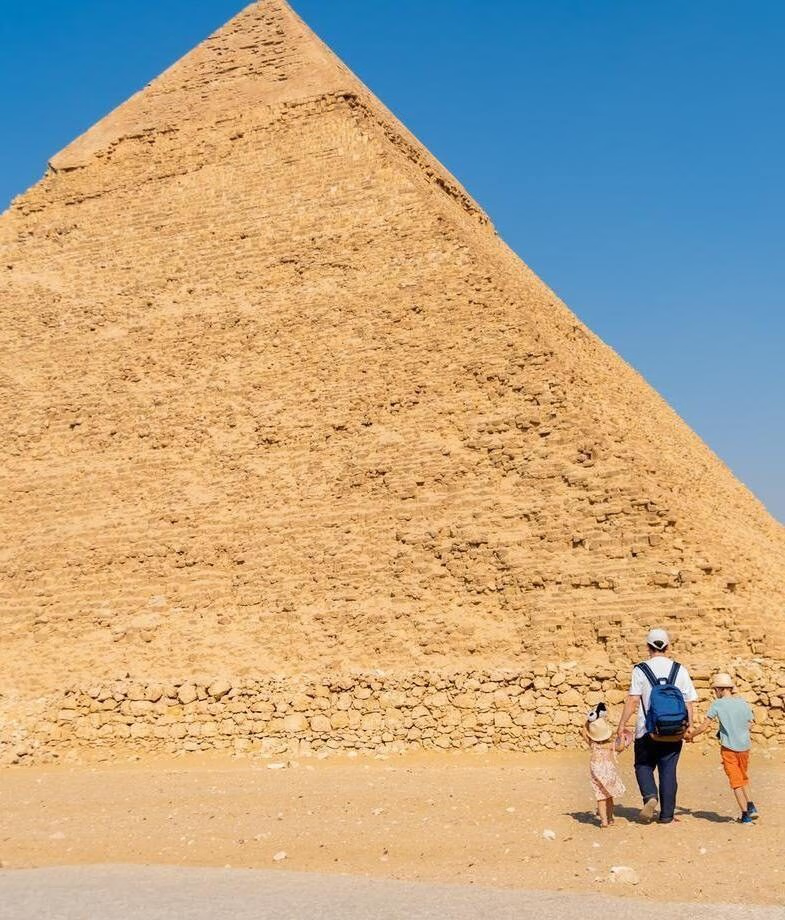
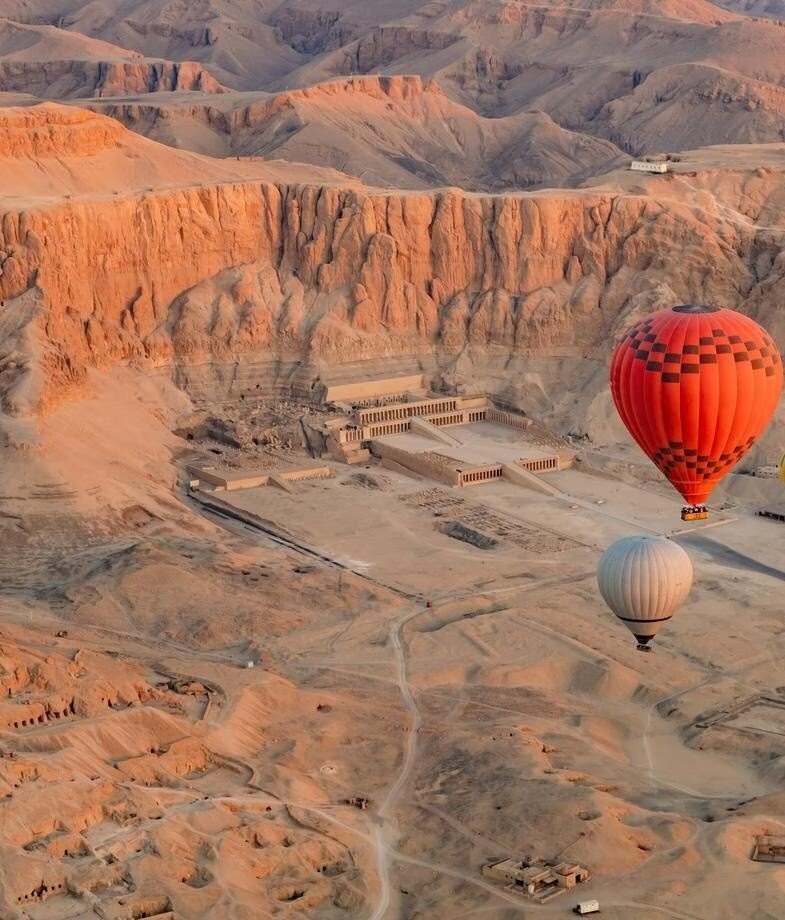
Egypt conjures ancient pyramids and finely dressed pharaohs, and January’s pleasant weather makes it an ideal time for exploring the country’s many open-air desert tombs. Temperatures sit in the early-to-mid 20s°C (72°F to 77°F) and humidity is low, which is the perfect climate for a private guided tour of the Giza Pyramids with an Egyptologist who can tell stories to enthral all ages. Afterwards, evoke a sense of wonder with a mesmerising hot air balloon ride over the Valley of the Kings.
Family-friendly hotels like Four Seasons Sharm El Sheikh have ample entertainment for young travellers and spacious suites for large groups. And the nearby Red Sea offers balmy temperatures for snorkelling amid the coral gardens. Meanwhile, in the capital, Cairo, older kids can learn to cook traditional Egyptian dishes like basbousa (semolina cake). The chef will also share insider tips on picking perfect vegetables at Souq Bab El-Louk.
January in Kenya
Find the Big Five on a family safari
The grassy plains of the Maasai Mara and Amboseli National Park are abundant with fascinating wildlife. Become captivated as you look out for the black tip of a cheetah’s tail amid the tall grass or watch lions lounging beneath the shade of a lone acacia.
You have a better chance of seeing the Big Five on a Kenya safari in January because watering holes shrink in the warm, dry weather. And temperatures are not too hot (around 25°C to 27°C or 77°F to 81°F), which makes walking safaris with Maasai or Samburu guides an exciting adventure activity.
Early morning game drives turn into long, languid afternoons spent in the comfort of a private safari camp like Wilderness Mara, where you can borrow cameras to perfect your photography skills and then dine together under the stars come nighttime. Whatever time of year you travel, we find that children over the age of eight get the most out of safaris.
February in Tanzania
Wildebeest and white-sand beaches
Something special happens in Tanzania in February: it’s peak calving season for the region’s thousands of wildebeest, which brings out the predators of the plains. A family safari at this time offers some truly special animal observations and exciting game drives in the raw, rugged scenery of the southern Serengeti.
The Ngorongoro Crater is an excellent additional stop thanks to its rich wildlife and distinctive sunken landscapes. Choose The Highlands Ngorongoro for an intimate stay in a large domed suite designed specifically for families.
After the thrills of the wilderness, the Tanzanian coast is the perfect place to wind down on white-sand beaches. Zanzibar is home to calm, crystalline seas where you’ll see bright blue starfish, green sea turtles and vibrant clownfish while snorkelling. The ocean here is almost as warm as the air temperature in February, sitting around 28°C (82°F).
On Safari in the Serengeti
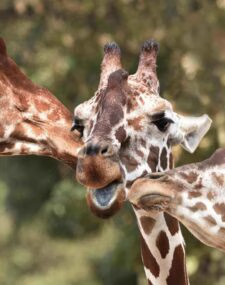
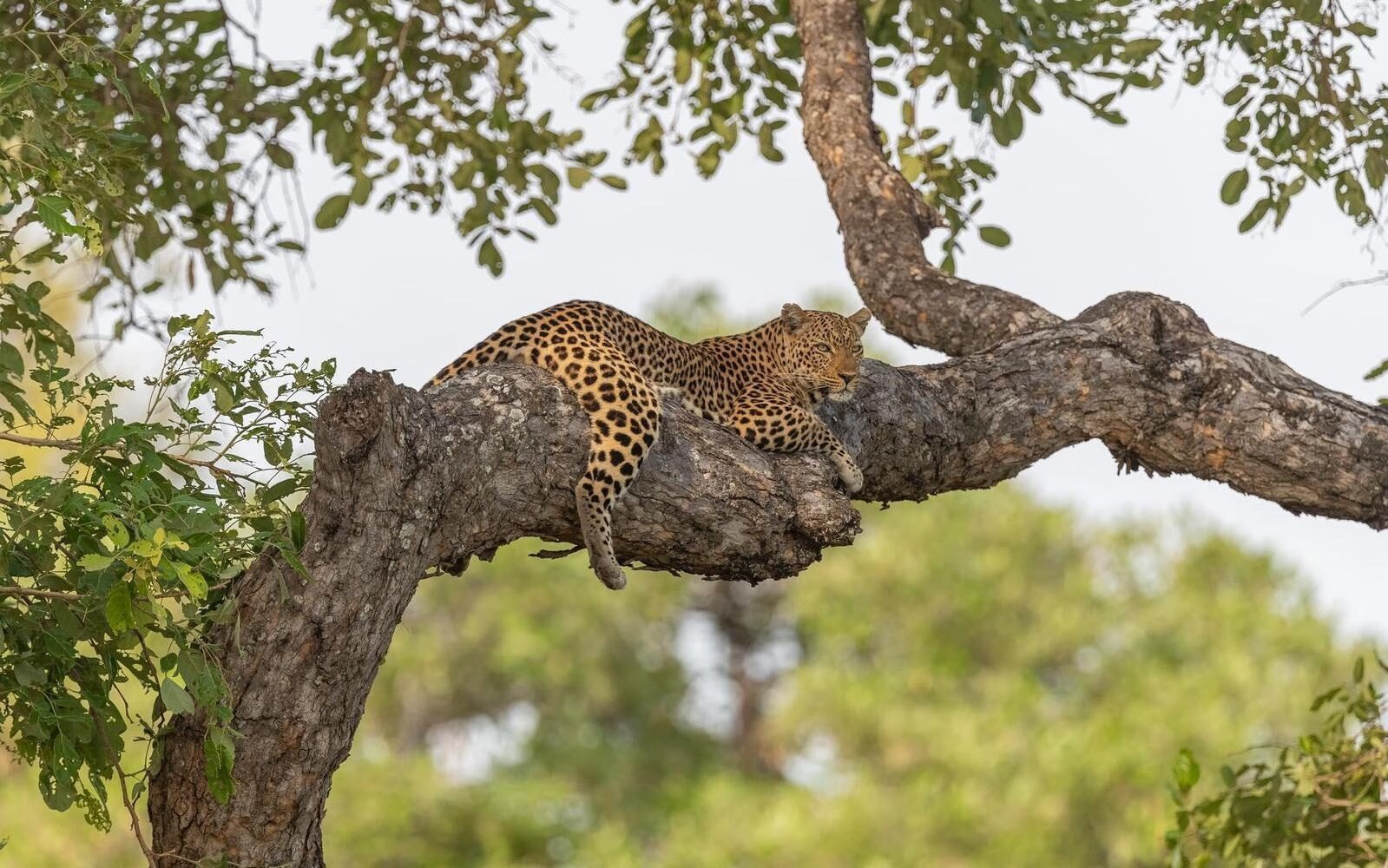
A pride of lions dozing in the sun. Herds of elephants meandering across the plains. A lone leopard surveying the savannah from a tree branch. Giraffes reaching up to nibble leaves from an acacia tree. These are just some of the amazing wildlife sightings you could experience on a family safari in Tanzania.
Speak with our expert travel designers today to start planning your trip.

February in Norway
Spectacles abound in the sky and snow
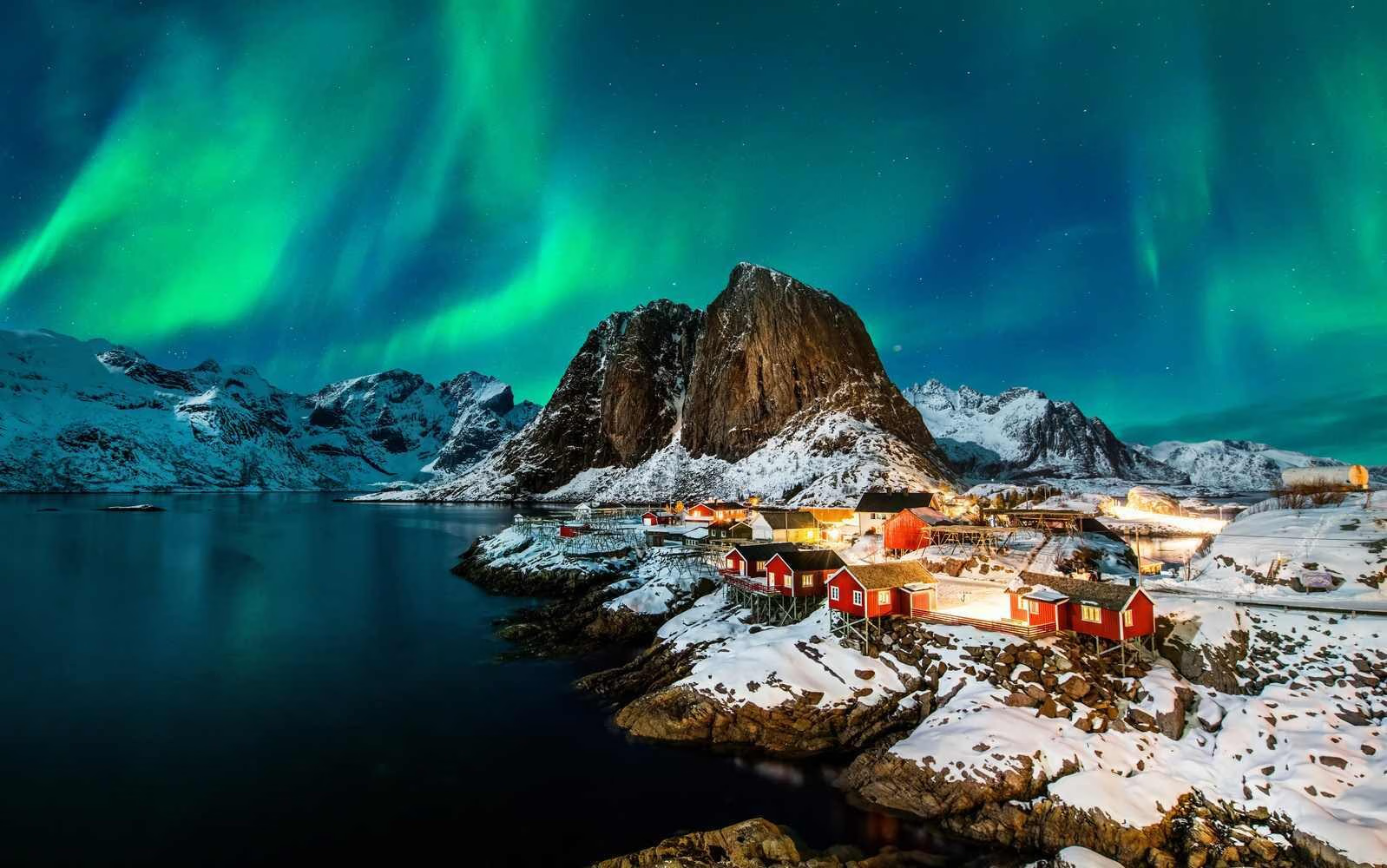
Winter in Norway is magical. Adult family groups or those with older children will love exploring in the heavy snowfall in places like Tromsø, which can see between 30 and 100 centimetres (11 to 40 inches) of snow in February. You can zip across a frozen fjord on a snowmobile, explore ice caves, or meet the husky dogs that have been part of life in the Arctic for centuries.
By night, it’s all about the aurora. The northern lights are one of nature’s most spectacular shows, with green and purple ribbons of light flashing across the sky. Aurora activity is especially high during winter’s long, dark nights, making February one of the best times to visit Norway if you want to see the display. Just remember that this time of year sees temperatures as low as -9°C (16°F) in the Arctic – our experts can advise you on what gear to bring.
March in Belize
Underwater worlds await
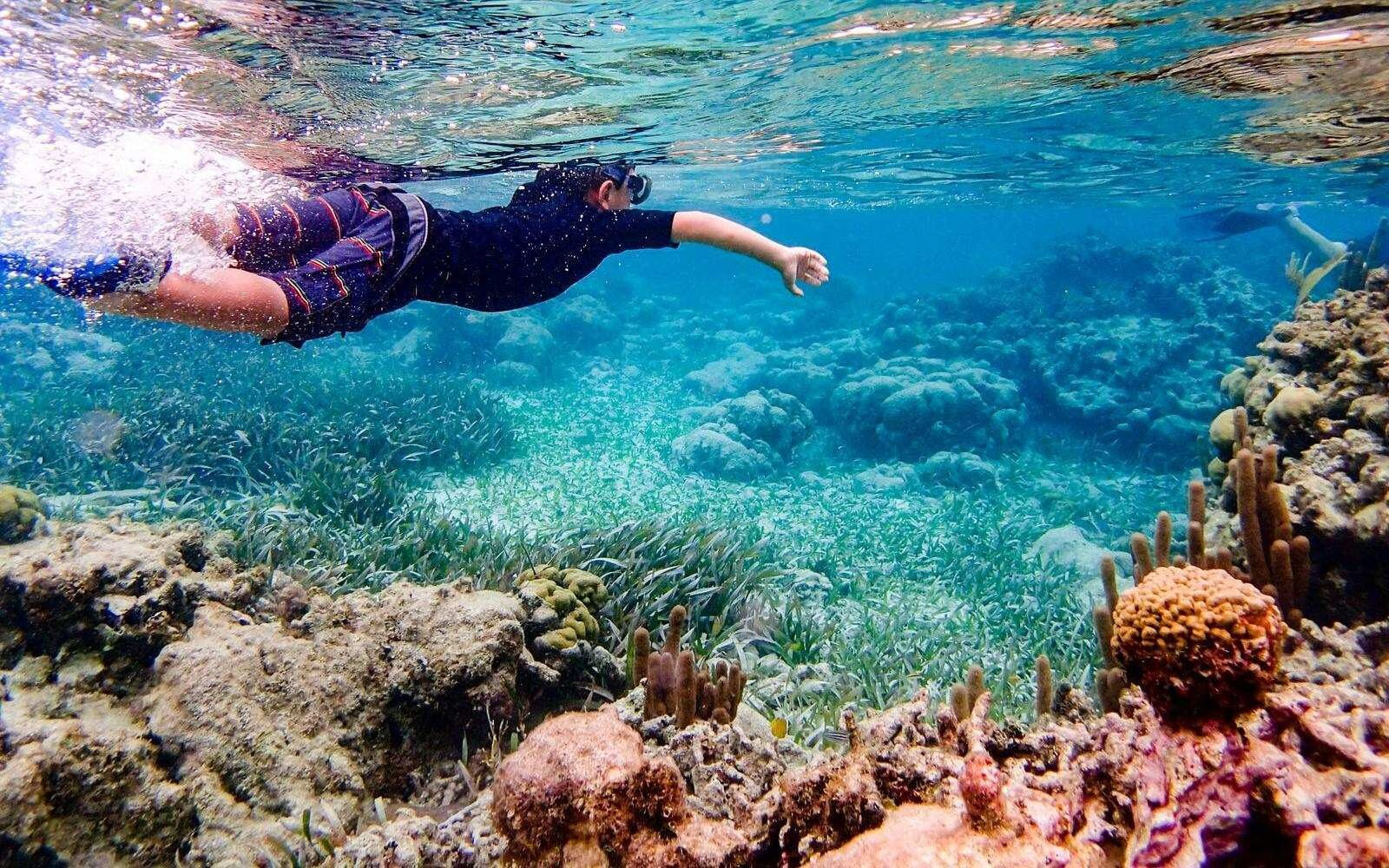
March is one of the best times to visit Belize because it’s in the middle of the country’s dry season. Young children and pre-teens will find much to marvel at beneath the ocean’s surface here. Snorkelling or diving in Belize in March promises calm conditions that are ideal for exploring magnificent coral reefs like those in the Hol Chan Marine Reserve.
The sea is the perfect place to cool off in the 30°C (86°F) heat, while elsewhere you can enjoy history lessons with a difference as you float through Maya caves on rubber tubes. Families will love the wildlife adventures on offer when you stay in one of Belize’s family-friendly jungle lodges, such as Chaa Creek in the rainforest-laden Cayo District. At Chaa Creek special children’s nature programs are designed for ages 6 to 15 years.
March in Morocco
A cultural immersion amid mountains and deserts
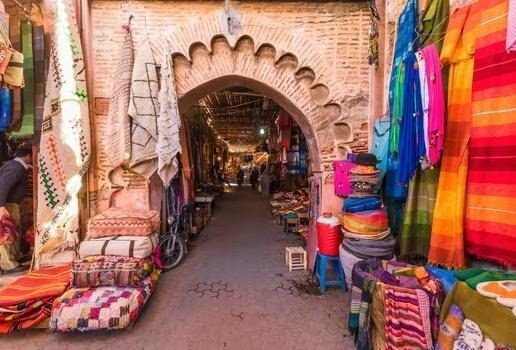
March marks the beginning of springtime in Morocco, making it an ideal time to take your older children and teens on adventures in the desert or mountains. Expect temperatures in the 20s°C (70s°F) in cities like Marrakesh, where you can get lost on an educational treasure hunt in the souks and make your own traditional drum at a hands-on workshop.
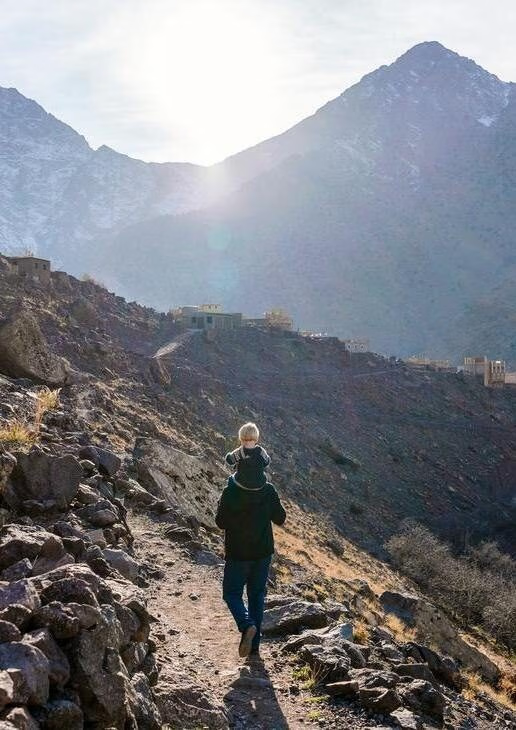
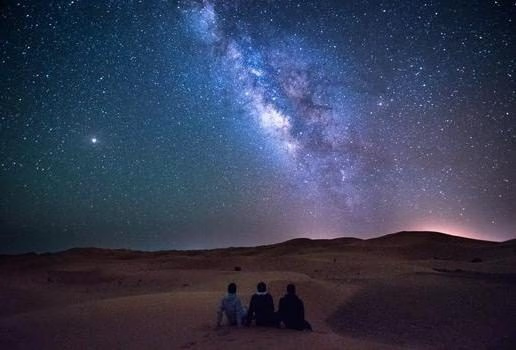
March in Morocco brings warmer weather to the Atlas Mountains, too. Day hikes and e-biking tours offer an adventurous way to see the dramatic scenery. And out in the Sahara, spend cool evenings beneath the stars glamping amid the dunes.
To learn more about the Indigenous Berber people who have called this expanse of sand their home for centuries, you can get creative in a henna workshop or bake bread with a local family at a communal oven.
April in Japan
Samurai history and ninja training
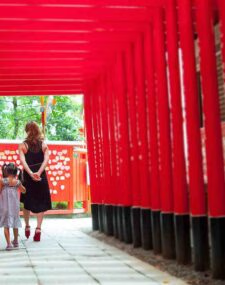
Japan has a wealth of unique experiences for older children and teenagers, and it’s one of the best places for a family trip in April. With mild spring weather, active families can walk part of the Nakasendo Trail, a hiking route through traditional mountain villages and woodland that was used by feudal lords and samurai during the Edo period (1603–1868).
In Tokyo, perfect your stealth techniques with a private ninja training session, where you’ll change into traditional clothing and practise throwing shuriken (ninja stars). Afterwards, enjoy a picnic under the cherry blossoms in Shinjuku Gyoen park.
April sees the opening of the Tateyama Kurobe Alpine Snow Corridor in the Japanese Alps, where mighty walls of snow line the roads. Take a private tour of the Black Crow Castle in Matsumoto before watching wild monkeys bathe in natural hot springs in Yudanaka Onsen.
April in Thailand
Exciting cultural celebrations combined with natural wonder
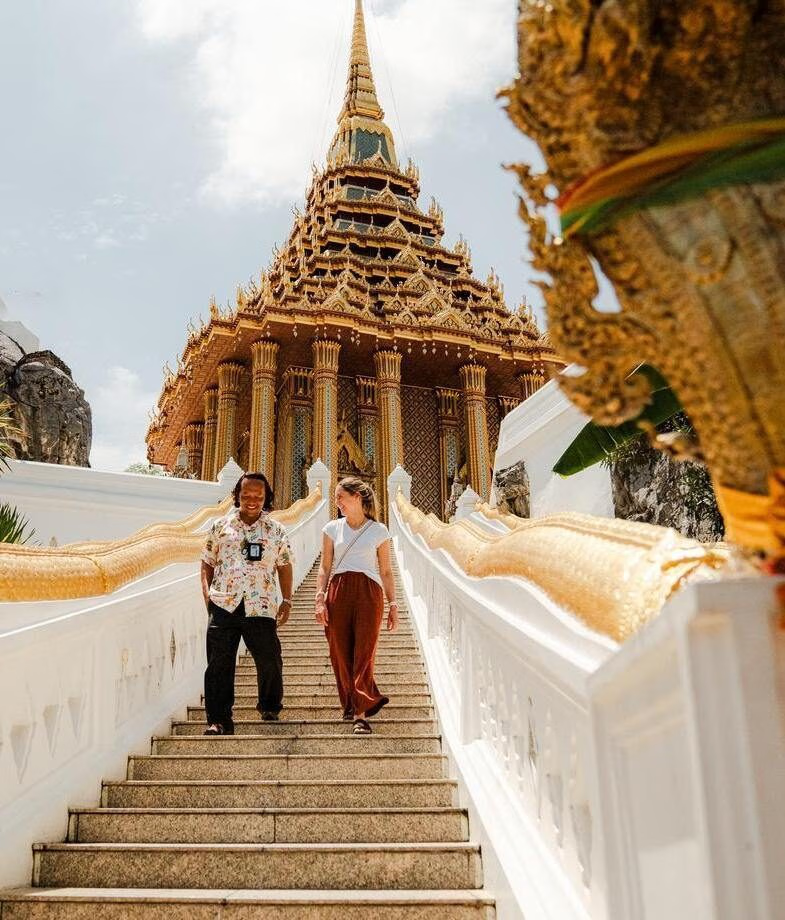
April rings in the Thai New Year, a cultural celebration called Songkran that involves feasting, music and, much to the delight of children, splashing water on family and friends. It’s a thrilling time to visit Thailand if you’re travelling with young children and pre-teens. And while the important festival is inscribed on the UNESCO Intangible Heritage list, it’s not the only reason to head to this diverse country.
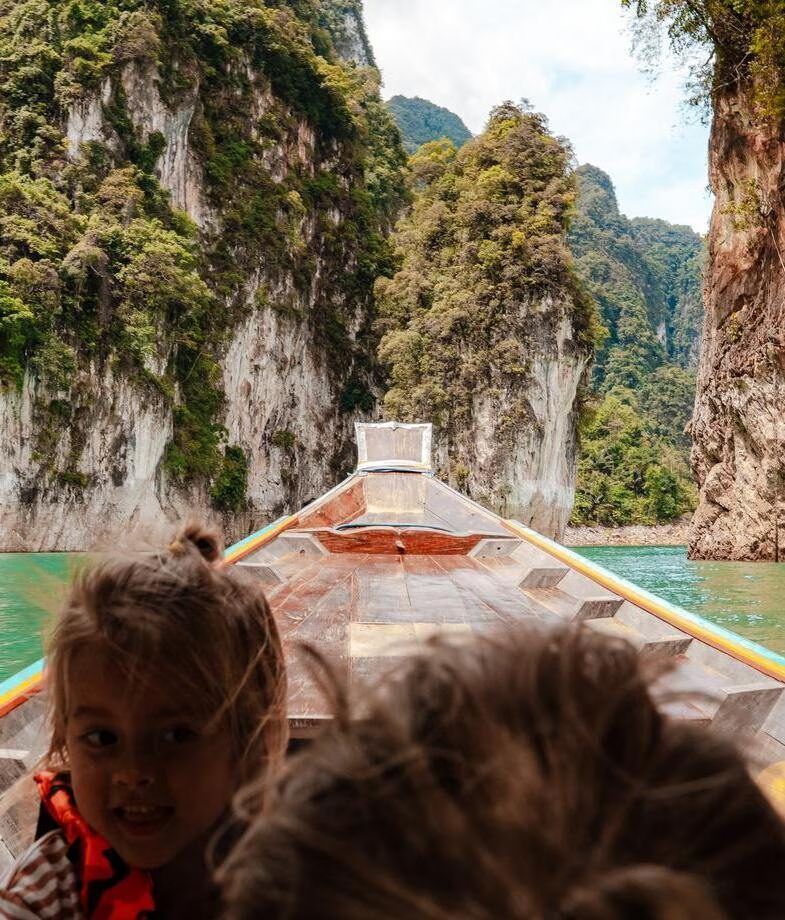
In coastal Krabi, April is the end of the dry season. The province offers a calmer retreat, with marine reserves like Koh Phi Phi National Park and Koh Lanta National Park home to breezy beaches and warm waters. Spend a day cruising Phi Phi’s islands, exploring hidden caves and snorkelling over colourful coral beds before relaxing on Bamboo Island with a private picnic.
May in Peru
Outdoor adventure meets exclusive experiences
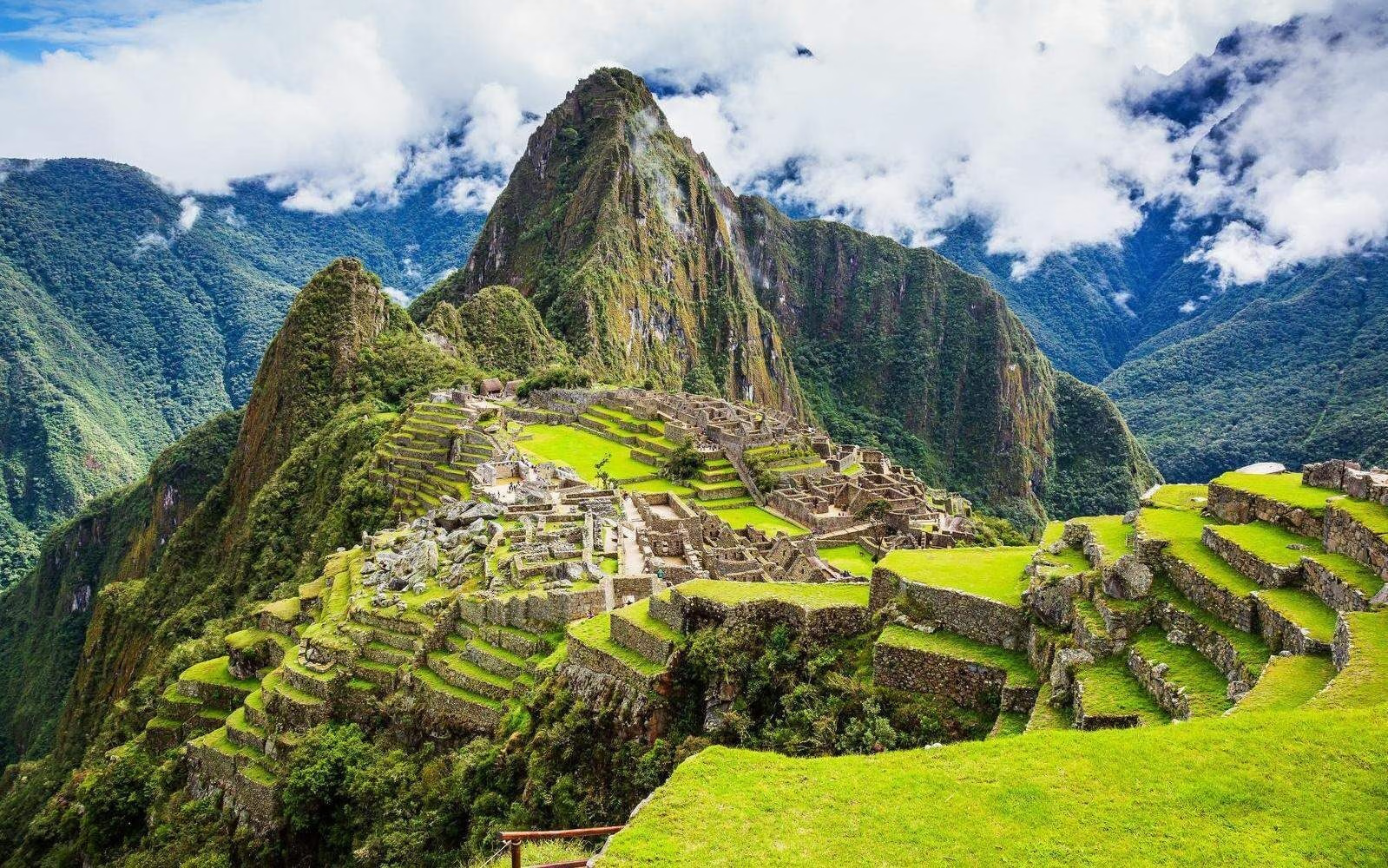
May marks the beginning of the dry season in Peru. This means you’ll have good weather conditions for hiking in the Andes or wildlife watching in the Amazon, which are acitivites suitable older children and teens. Landscapes at this time of year are a rich green thanks to the recent rainy season (November to April). Seeing the country’s Inca citadels emerging from the lush foliage of the cloud forest as your expert guide brings their history to life is especially memorable.
Take the Hiram Bingham luxury train to Machu Picchu to arrive in serious style, dining on local cuisine atop white tablecloths and gazing out at the forest scenery from the observation car.
The pleasant weather across Peru – temperatures generally sit in the low 20s°C (around 70°F) in May – means outdoor pursuits like paddleboarding on Lake Piuray in the storied Sacred Valley are great fun. In Cusco, kids will love the chance to make their own chocolate at a hands-on workshop. And as the evenings cool down, head indoors for exclusive after-hours visits to the Larco or Amano museums in Lima to discover traditional textile work.
May in Greece
Island hopping and legendary adventures
May brings pleasantly warm days to mainland Greece with temperatures sitting around the mid-20s°C (mid-70s°F), making it a fantastic time for family breaks. At this time of year, the plains and coastal paths are awash with colourful wildflowers, while many historic sites are quieter than in peak summer.
Budding archaeologists can take an interactive tour of the Acropolis in Athens with our Greek mythology expert, ending with a private dinner at the Acropolis Museum. Further north, explore the ruins of Delphi, once home to the Temple of Apollo, where the oracle delivered her prophecies.
With the southern Cyclades Islands experiencing warmer temperatures in May, a private sailing trip is the perfect way to catch a refreshing breeze and enjoy a little island hopping. Chart a course between the volcanic shores of Santorini and some lesser-known Greek isles like like Milos and Folegandros, stopping off at secret caves and secluded swimming spots along the way.
June in Indonesia
Calm seas and cool wildlife
June is dry season in Bali and Komodo, two of Indonesia’s most exciting islands for a family trip. The low humidity and vast blue skies at this time of year make outdoor adventuring fun. In Bali, learn to catch waves with a private surf lesson in Canggu or look for tropical fish on a snorkelling trip to the nearby Nusa Islands.
Older children can enjoy an exclusive cooking class with local cooks Dewa and Jero. They’ll invite you into their home and show you how to prepare a selection of Balinese dishes, using vegetables and spices grown in their organic garden.
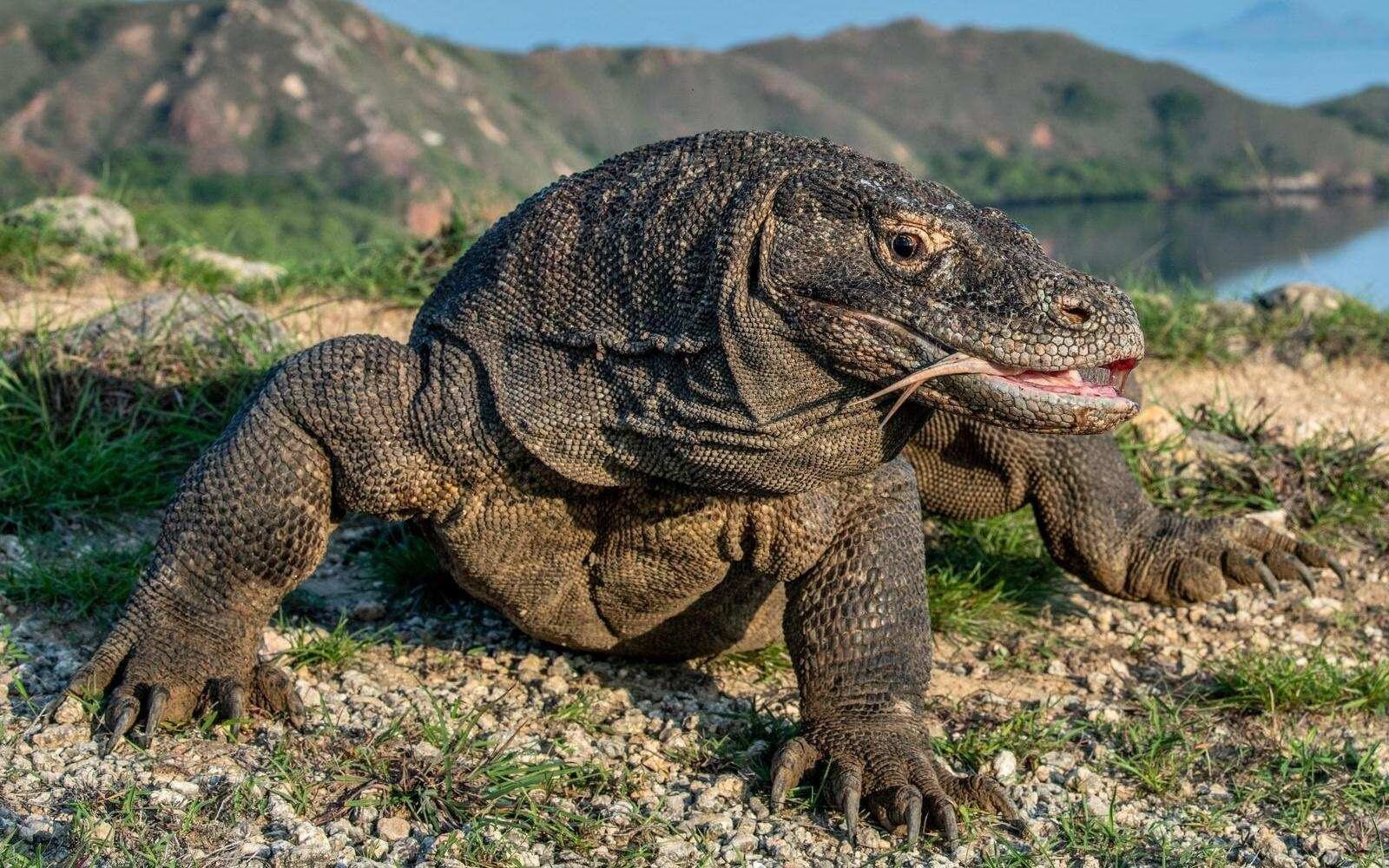
In Komodo, dragons await. These magnificent, scaly beasts live in the wilds of Komodo National Park, which is made up of a trio of islands you can explore by speedboat or relaxing luxury cruise. Best for children over the age of seven, Komodo offers snorkelling and diving, too.
June in England & Scotland
Explore the lands of kings and queens
June brings long daylight hours in England and Scotland, and the further north you go the longer you’ll see the sun. This time of year enjoys mild temperatures in the low 20s°C (low 70s°F), making it comfortable weather for exploring the great British outdoors with walks on royal estates.
Join our expert guide in the Cairngorms to explore Balmoral, the estate built by Queen Victoria and beloved by Queen Elizabeth II. As you walk around its forests, keep an eye out for deer and rare red squirrels. And private tours of castles like Stirling Castle are an engaging way to get a glimpse of life as a knight, prince or princess.
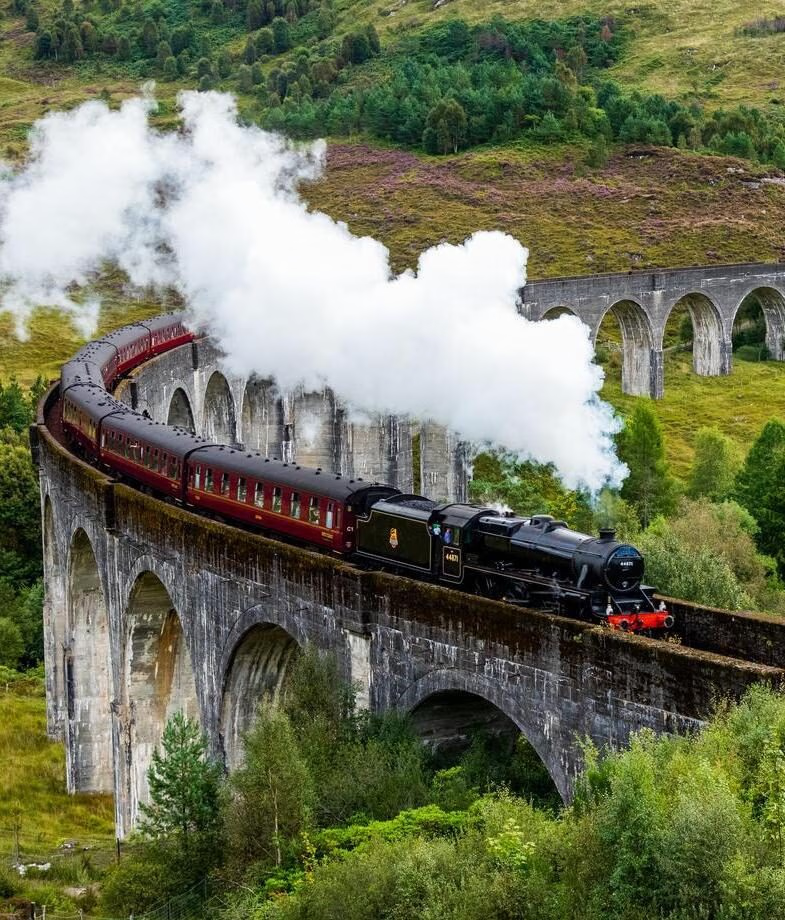
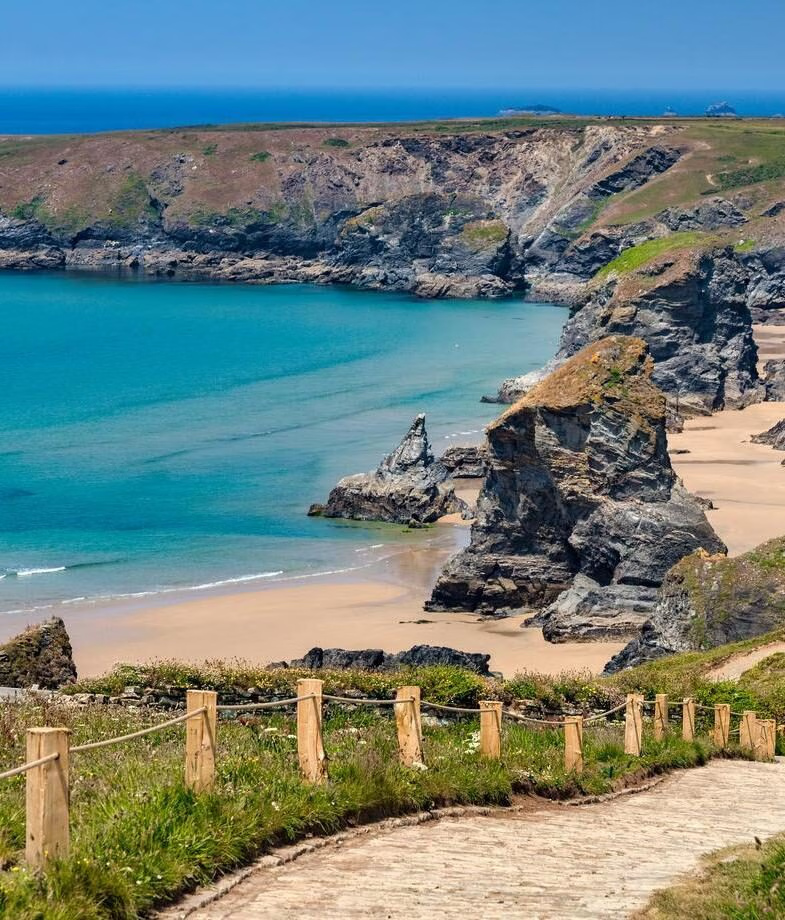
Young imaginations will be set alight by a journey on the Jacobite Steam Train, famously featured as magical transport for young witches and wizards. In southern England, warmer weather welcomes coastal exploration in June. Cornwall’s dramatic cliffs and craggy coves are best seen from the water on thrilling rib-boat rides.
July in France
Colourful landscapes and coastal escapes
Provence is beautiful year-round, but it’s one of the best places to visit with family in July thanks to a particular feature: lavender. As the weather warms up (expect average temperatures around the high 20s°C or low 80s°F), the region’s lavender fields burst into purple blooms across the Valensole Plateau. Spend your days soaking up the scent of those delicate flowers and kayaking through the arresting Verdon Gorge. A private villa gives plenty of space for extended families to enjoy a home-cooked meal together.
Elsewhere, embrace the summer on the French Riviera in July. Tour the town of Antibes and see how the kids interpret the masterful strokes of Pablo Picasso in the museum dedicated to his art. And older children can get creative by making their own scent at a perfume workshop in Grasse. For cooler temperatures, head up into the Alps to explore glaciers and lakes with views of Mont Blanc.

July in Australia
Connect with Indigenous culture and spot coastal creatures
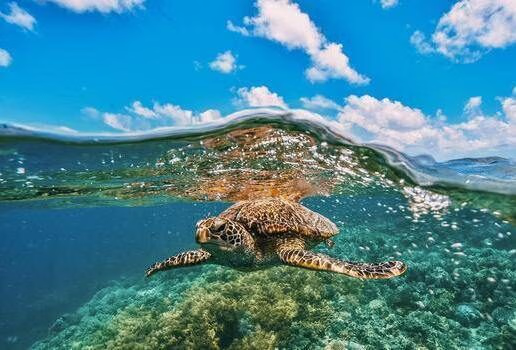
July is winter in Australia, promising dry weather with little humidity in tropical North Queensland. Temperatures sit around a comfortable 25°C (77°F), so it’s a good time to explore the mesmerising corals and creatures of the Great Barrier Reef. Look out for migrating whales, sea turtles and elegant manta rays as you swim above the intricate gardens. We find the longer snorkelling trips are best suited for older children and teenagers.
Spend a day immersed in Aboriginal culture on a tour of the Daintree Rainforest. Here, you’ll share seasonal food with a member of the community and try your hand at boomerang throwing as you learn about First Nation customs.
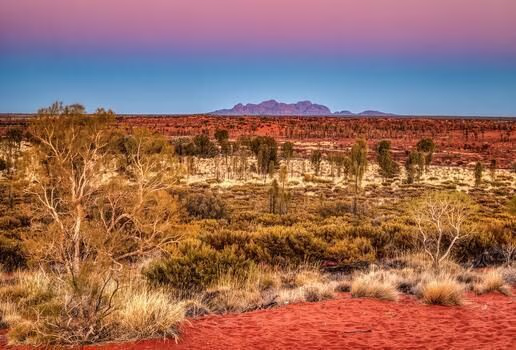
The ochre deserts of the Outback are at their coolest in June and July, making explorations of important Aboriginal sites like the red domed rocks of Kata Tjuta comfortable. It’s especially serene at sunrise, when you can watch the colours change as you walk between the walls of the mighty Walpa Gorge.
August in Iceland
Long days lead to icy adventures and hot spring soaks
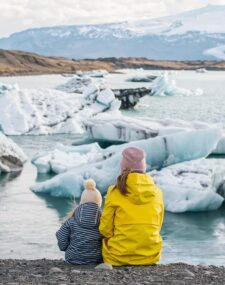
Iceland in August is at its warmest and the sunlight lasts right up until late evening, making it a perfect choice for an outdoor family holiday destination. The longer days mean there’s more time for soaking in the naturally warm waters of the Blue Lagoon or taking private zodiac boat tours in the iceberg-filled lagoons of Jökulsárlón. Make the most of the easy road access (many passes are closed due to deep snowfall in winter) throughout the country with private Jeep tours to dramatic locations such as the Kerlingarfjöll Highlands.
With temperatures around 13°C to 14°C (55°F to 57°F) during the day, this is one of the best times to visit Iceland with adventurous teens. Thrihnukagigur is a dormant volcano whose inner magma chamber has disappeared, making it accessible by a cable lift during the summer. Descend into its eerie, cavernous depths after a hike across a lava field with specially trained guides for a unique experience.
August in Zambia & Zimbabwe
Waterfalls and wildlife
On the border between Zambia and Zimbabwe lies the thundering Victoria Falls. In August, the waterfall sees a reduced flow thanks to the drier weather, granting access to the iconic Devil’s Pool with kids over the age of 12. Those brave enough can perch on the edge, accompanied by a local guide, and gaze over the 110 metre (360 foot) precipice.
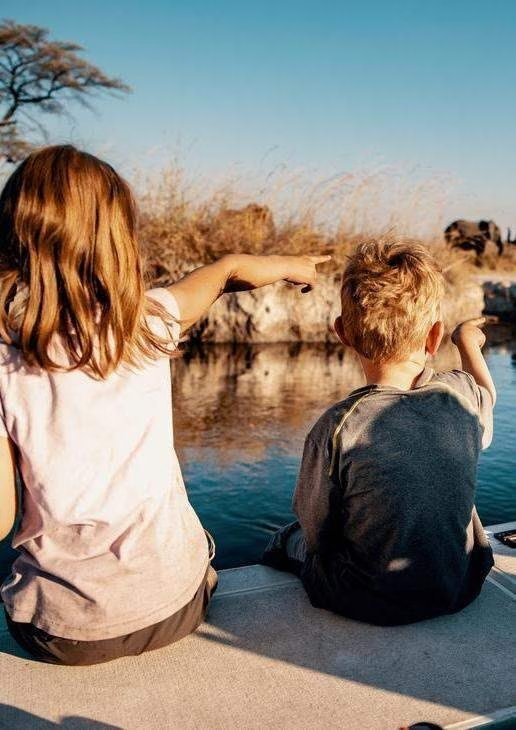
The dry season is an excellent time to head out on a luxury safari with a difference. Paddle on the Lower Zambezi river to see lions stalking prey on land or hippos bathing in its shallows. Zambia is the birthplace of walking safaris, and visibility is excellent at this time of year. Seek out leopard tracks in Luangwa National Park or examine insect mounds with expert guides. As with most safaris, we find that older families will get the most out of the wildlife activites.
September in Italy
Tantalise the taste buds
Early autumn in Italy is a delicious time of year, especially in Tuscany. September sees the last of the summer’s best produce, such as plump tomatoes and sweet peppers, while welcoming in vendemmia (the grape harvest). Get hands-on in private pizza- and pasta-making classes, or head out onto the Tuscan hills with a snuffling Lagotto Romagnolo, the truffle hunting dogs that seek out those black nuggets of flavour.
September in Puglia is warm, with temperatures sitting around 24°C (75°F). The peak summer season ends as August draws to a close, so you can enjoy the good weather without the crowds while exploring the cone-shaped trulli of Alberobello, a UNESCO World Heritage Site. Tour the region’s pretty gardens and country lanes in a classic 1957 Fiat 500, then learn how to make gelato at a family-run gelateria in Ostuni before sampling an array of their most delicious flavours.
Make lasting memories in Italy
Incredible food isn’t the only thing you’ll enjoy on a family trip to Italy. Set imaginations alight as you tour the staggering ruins of the Colosseum and Pompeii. Cycle through ancient olive groves and rolling hillsides. And relax on idyllic beaches in Sardinia.
Contact us to start planning your adventure today.

September in Botswana
Slow safari and starry adventures
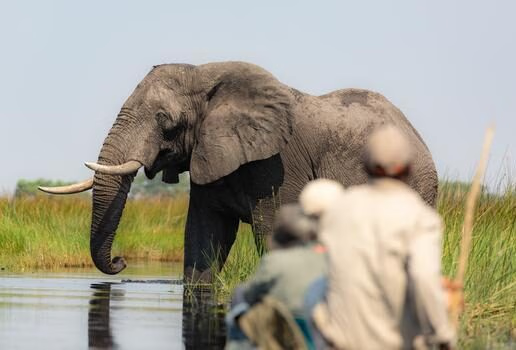
September is a fantastic time to go on safari in Botswana with older children because the country is in its peak dry season. The dense foliage of the rainy season (November to April) has dried up and the Okavango Delta floodwaters are receding. This leads to better wildlife sightings and higher concentrations of animals, as they must all share fewer water sources.
You’ll also have access to a greater variety of experiences on both the water and the land. On Chief’s Island, Wilderness Little Mombo offers an intimate stay, with the whole camp reserved for your family’s exclusive use.
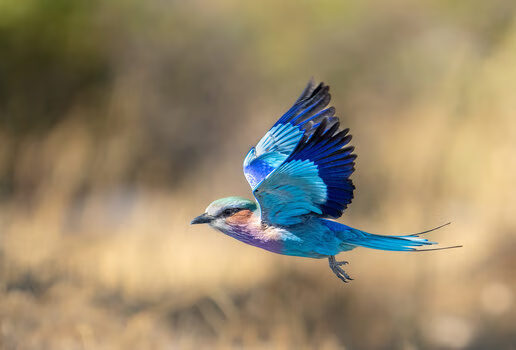
Game drives promise exciting wildlife spotting, but for a different perspective we recommend drifting along the glassy channels of the Okavango Delta in a mokoro (traditional dugout canoe). You might see frogs hopping about or birds perching on reeds, while larger mammals lurk by the water’s edge seeking a refreshing drink. And at the private Linyanti Wildlife Reserve, night drives reveal nocturnal creatures beneath astonishingly starry skies.
October in Costa Rica
Rich green wilderness beckons
October is one of the best times to visit Costa Rica because it’s near the end of green season, which runs from May to November. This means its national parks are a palette of rich green foliage and the waterfalls are at their most impressive. Occasional afternoon rains also mean fewer visitors and better wildlife sightings.
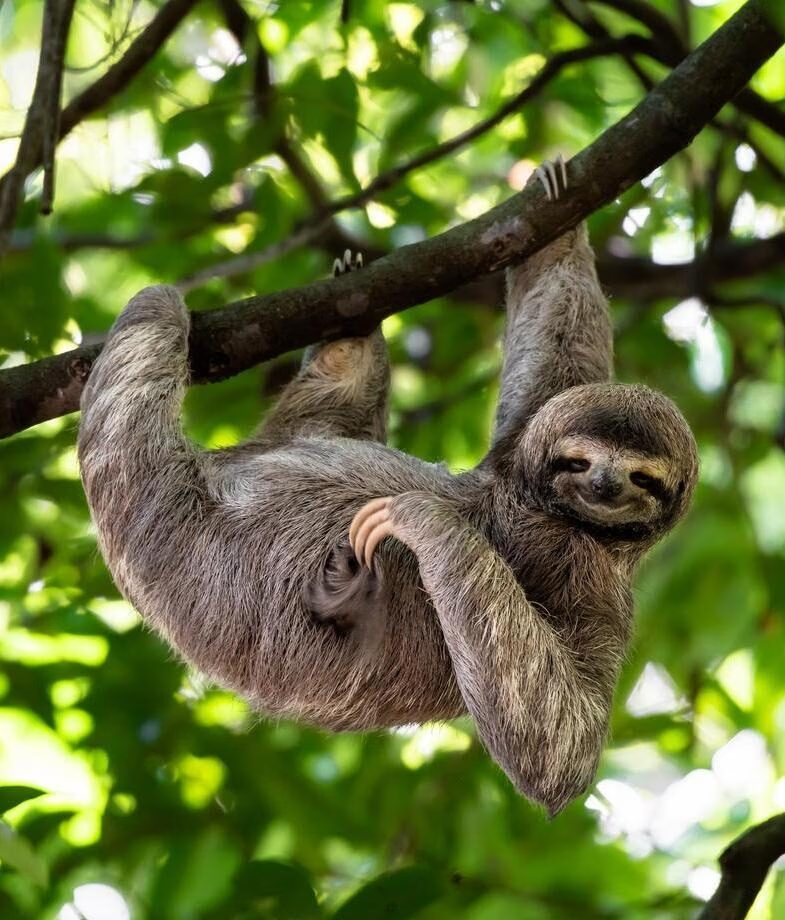
In Manuel Antonio National Park the kids can marvel at sloths, howler monkeys and basking iguanas in their natural habitat. On the remote Osa Peninsula, we recommend a stay at family-focused Lapa Rios for immersive nature experiences, including a ‘backstage’ tour which reveals how the property operates completely off-grid.
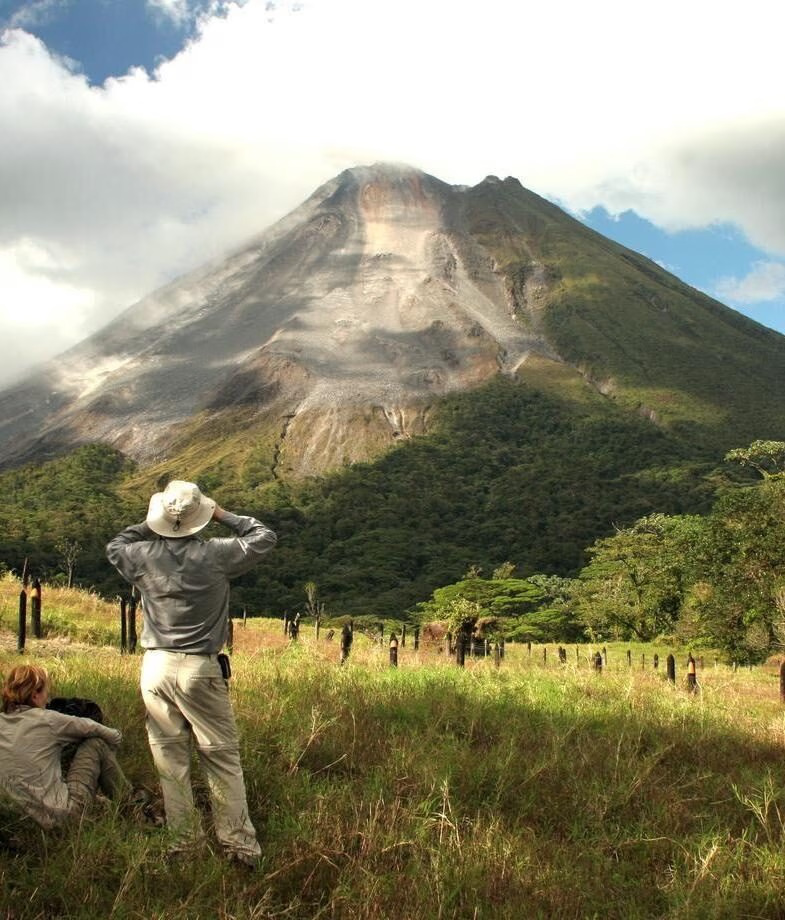
Costa Rica is best for those with children aged seven and up, as there are plenty of adrenaline-fuelled activities for adventurous types. Whizz on a zipline with views of the active Arenal volcano in the northwest of the country. And out on the coast, take beginner surf lessons in Tamarindo or snorkel among technicolour corals.
October in Ecuador & The Galápagos
Marine marvels and historic cities
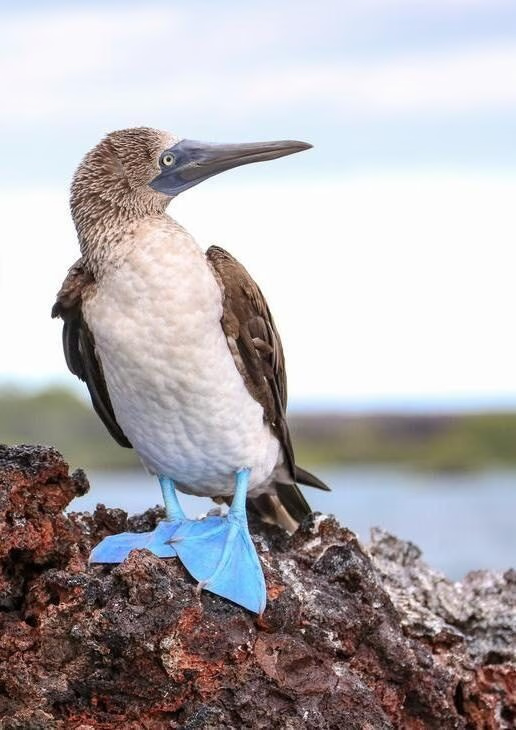
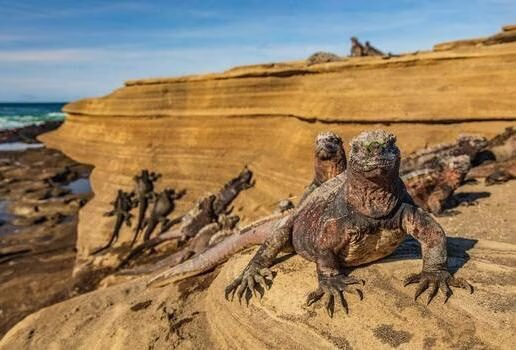
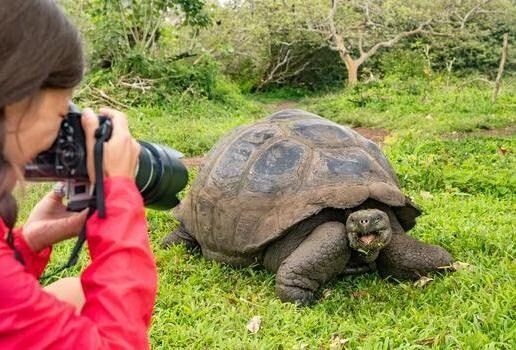
The cooling Humboldt Current flows off the coast of Ecuador and the Galápagos between June and November. This creates a nutrient-rich environment that attracts a variety of marine life to the area. In October, with pleasant air temperatures around 24°C (75°F) and mild sea temperatures just a few degrees cooler, snorkelling and diving are excellent activities for teens and kids over the age of seven.
You might see playful sea lions, marine iguanas or sea turtles amid the coral reefs. And on land, learn from experts about the lives of the islands’ most famous residents: the giant tortoises.
In Ecuador, take a walk into the mist-shrouded Cloud Forest with naturalist guides to see its exciting birds, insects and plant life. The country’s capital, Quito, was the world’s first UNESCO city and has a fascinating Old Town dating back to the 16th century. Take a trip to the Middle of the World to stand with one foot in each hemisphere, then treat the kids to a chocolate tasting in a shop owned by a Swiss-Ecuadorian confectioner family.
November in Vietnam
Urban adventure meets coastal scenery
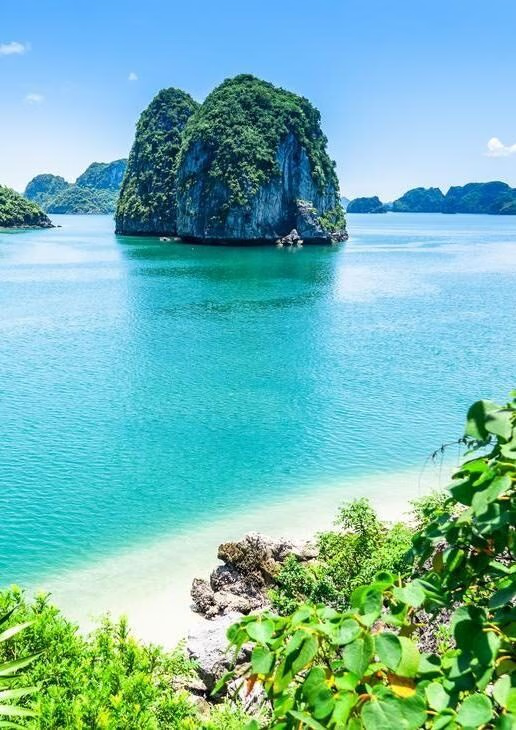
Vietnam is one of the best places to travel in November with family thanks to its clear skies and dry weather, with temperatures around 25°C (77°F) in the north and 29°C (84°F) in the south. This makes cruises through the towering karst formations of Lan Ha and Halong Bay particularly spectacular, as the foliage-cloaked limestone is a striking sight set against a bright blue November sky.
In Hanoi, adult family groups or those with teens and older children can taste the city’s varied street food with local blogger Mr. Van Cong Tu. Sample authentic dishes like pho tiu (a broth with rice noodles, fresh herbs and typically beef or chicken) and bun dau (rice vermicelli noodles, crispy fried tofu and shrimp dipping sauce) platters before finishing with a sweet Vietnamese coffee.
And younger children will be wowed by the colourful lanterns of Hoi An, which light up the streets after dark. November sees earlier sunsets so they can stay awake to see the spectacle, then create their own the following day with a local artisan.


November in New Zealand
Make memories together in the great outdoors
November marks the latter stages of spring and beginning of summer in New Zealand, which means longer daylight hours and warmer weather. With mild temperatures, the great outdoors beckons. It’s a lovely time for geothermal walks in Rotorua or, further south, Waiotapu Thermal Wonderland, where some pools take on an iridescent green hue thanks to the minerals within them. And in Waikato, any movie buffs in the family will delight at visits to the Hobbiton Movie Set.
Come nighttime, don’t forget to look up and as you learn about the stars in Lake Tekapo – in November you have the rare opportunity to see both the winter Orion constellation and the summertime Scorpius constellation as the night sky transitions. By day, look downwards to the swathes of wild lupins that bloom at this time of year on guided walks in the region.
December in Switzerland
Festive towns and scenic trains
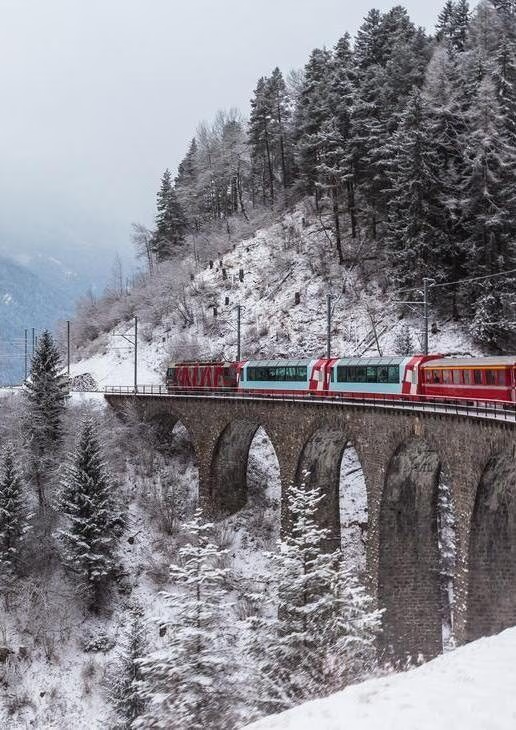
Switzerland in winter (December to February) is enchanting, making it great for family travel. Wandering through the magical Christkindlmärkte (Christmas markets) of Zurich and Lucerne, it’s impossible to resist the festive spirit that pervades. There’s velvety Swiss hot chocolate and gingerbread for the kids and glühwein (mulled wine) for the adults. Embrace the season together in a private Christmas cookie-baking class with a local chef.
Meander into the mountains on the Glacier Express, a panoramic train that crosses almost 300 bridges and travels through nearly 100 tunnels on its eight-hour journey to reach the Engadin lakeland near St. Moritz. If conditions are right, you’ll see its pine-clad valleys cloaked in a blanket of fine, white snow as you approach.


December in Mexico
Majestic marine life and Maya history
December brings exciting wildlife to Mexico’s shores, as early winter marks the start of the humpback and gray whale migration on the Pacific coast. With dry weather in December, this is the perfect opportunity to get out on the water with the whole family for a private whale-watching trip from the fishing village of Puerto Chale in Baja California or Banderas Bay in Riviera Nayarit.
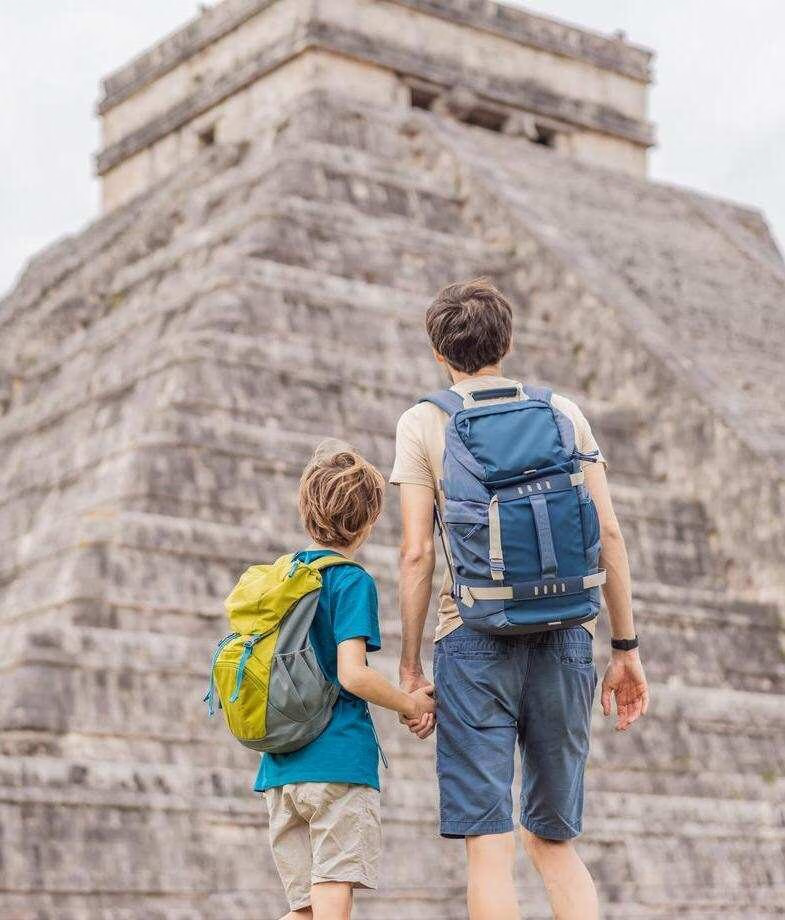
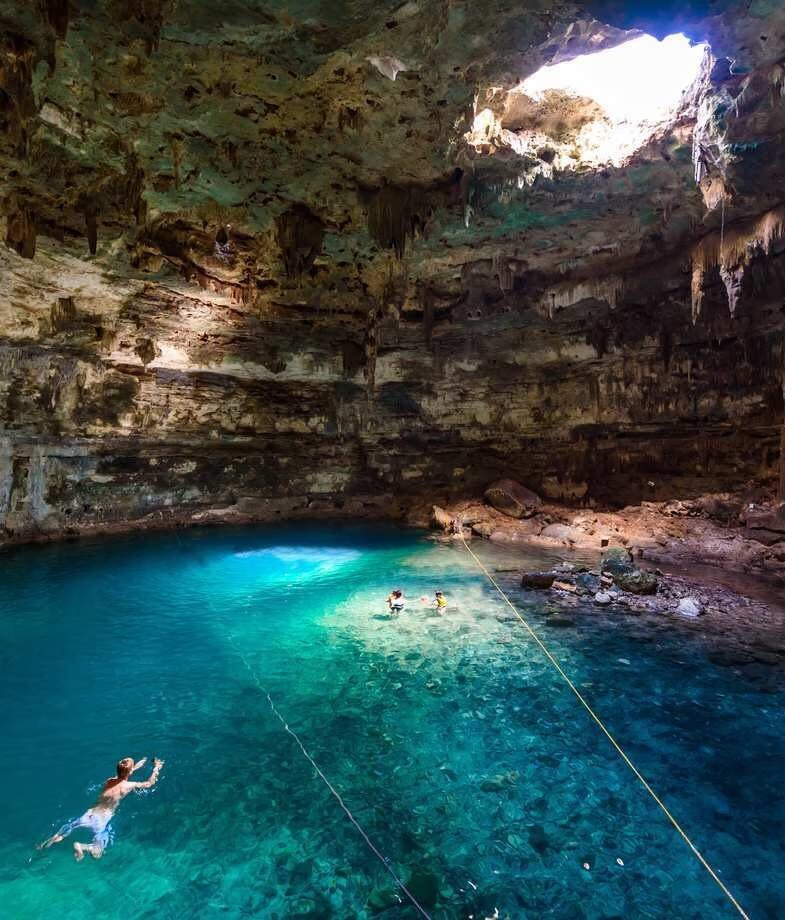
Exclusive tours of Mexico’s Maya ruins will take you all on a journey as far back as 4,000 years. And adventurous types will love swimming and snorkelling in the clear waters of one of the private cenotes dotted along the Riviera Maya and near Merida. Considered gateways to the underworld, the chambers of these sinkholes are filled with fresh water and lined with stalactites and stalagmites.
Ready to start planning?
Whatever you want from your next family vacation, our travel designers are ready to help.
Where to stay
As well as helping you decide where to go and what to do on your next family trip, our travel designers will recommend the best accommodation for your group.
Get inspired with these guides to our favourite family-friendly stays in South Africa and Costa Rica.