12 of Our Favourite Destinations for Responsible Travel in 2027

Responsible travel is becoming increasingly vital if we’re to protect our world for future generations. With careful planning and choosing destinations, activities and hotels that support local conservation and community projects, travel in 2027 is starting to become more responsible.
Decades of ‘fast tourism’ has damaged our fragile planet, often through over consumption of resources and increased pollution. Tourism is responsible for roughly 8% of the world's carbon emissions [weforum.org], and it’s estimated that by 2030, transport–related CO2 emissions from tourism will grow 25% from 2016 levels [unwto.org].
Places that restrict tourist numbers, promote conservation and uplift local communities are contributing towards low-impact travel. Countries practising the effective ‘less is more model’ are Botswana with its massive private concessions, the Galápagos Islands where yacht itineraries are limited and Bhutan where guests must pay a daily visa fee.
We’ve asked our travel designers to collate their favourite destinations for low-impact and community-focussed travel for 2026.
1. Costa Rica
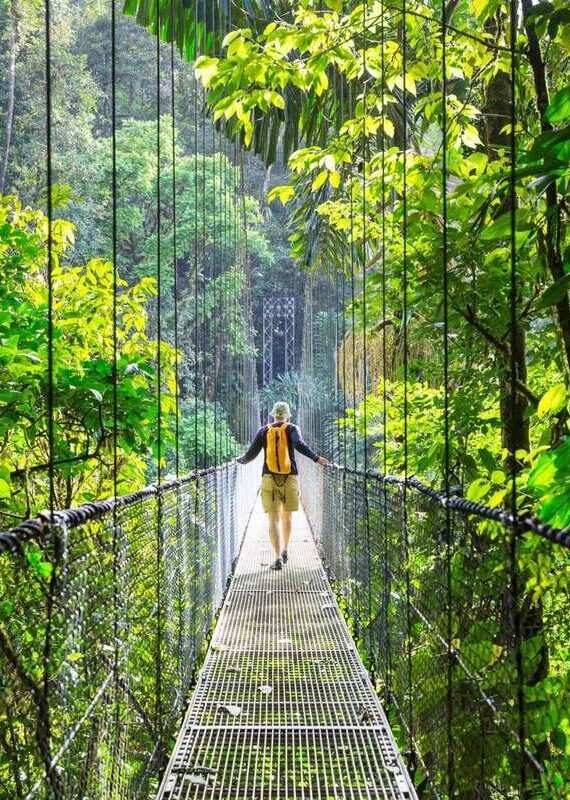
Costa Rica has been one of Latin America’s long-standing leaders in conservation-led tourism. Its huge commitment to environmental protection has resulted in renewable energy sources powering nearly the entire country.
Nayara tented camp, in the volcanic region of Arenal, left space for wildlife and wilderness during construction. An epic reforestation program has expanded the tropical rainforest, providing safe habitats for sloths, monkeys and butterflies. There’s also an emphasis on supporting the local community with social initiatives and employment within the property.
Need to know: Visit Cost Rica during the green season, which runs from May–November, when there are fewer visitors and the country’s abundant greenery is brought to life by the rains.

2. Borneo
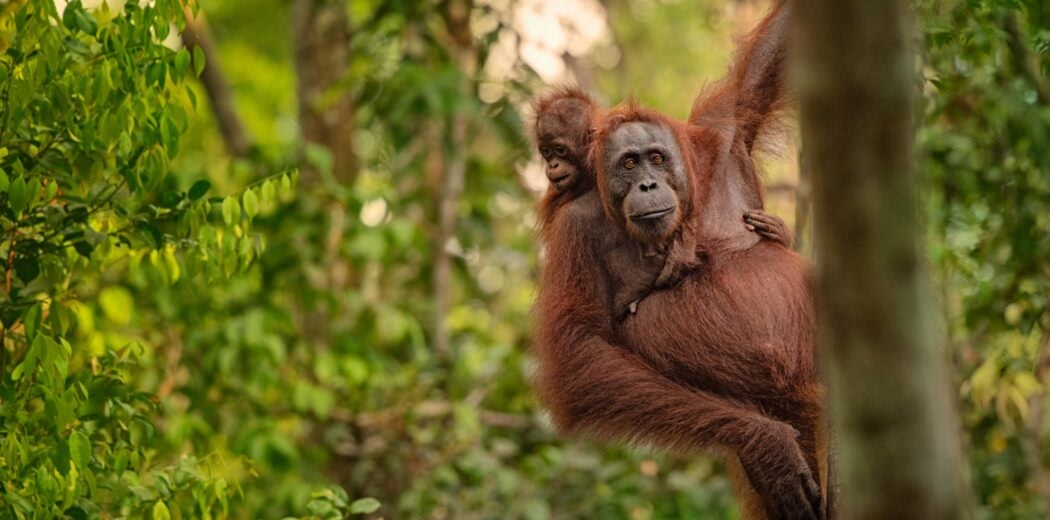
Much of Borneo is a natural haven, home to orangutans, proboscis monkeys, sun bears, clouded leopards and hundreds of other fascinating creatures. Such incredible biodiversity needs protection, and there’s no better example than the massive 43,800 hectare Danum Valley conservation area.
The area’s only property, the Borneo Rainforest Lodge offers a number of low-impact activities, including an impressive canopy walkway 27 metres above the forest floor. Birdwatching, jungle treks, swimming in the Tembeling waterfall and exciting tubing down the Danum river offer a glimpse into this protected wilderness.
Need to know: The dry season runs from March–October and is the best time for wildlife viewing. Travel during the shoulder months of March and October in order to experience the country with fewer visitors.

3. Ecuador and the Galápagos
Home to a staggering 6.1% of all the species on the planet, Ecuador and the Galápagos Islands make up one of the world’s most biodiverse regions. Local authorities, with the enforcement of strict entry regulations and the construction of the world’s first sustainable airport, are already committed to protecting the natural environment.
Across the Amazon, Cloud Forests and Galápagos Archipelago, award-winning hotels and cruises are assessed against environmental and community impact standards. Socio-economic upliftment is also a vital aspect of responsible tourism. At Napo Wildlife centre, through employment and various other practices, they support a 500 year old Amazon community, preserving its traditional ways of life.
Need to know: The best time to visit the Galápagos is from December–May for warmer weather and calmer seas which provide the ideal conditions for wildlife viewing, both above and below the waves.
4. Peru
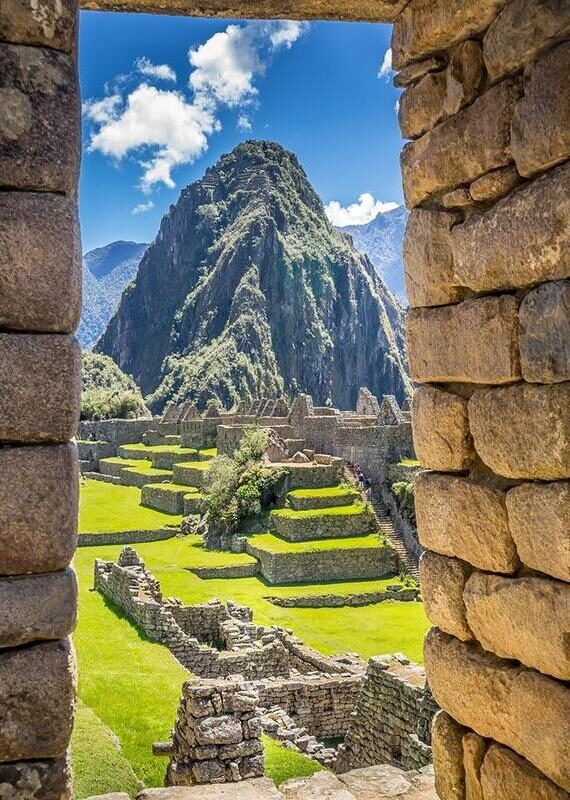
A country rich in natural resources and with strict government policies regarding conservation and regulated tourism development, Peru’s future is becoming increasingly impact-led. The country is an incredibly popular tourist destination, with Machu Picchu featuring on travellers’ bucket-lists for decades. The ancient ruins are now protected with restricted visitor numbers, compulsory guiding and time-slots to adhere to.
Deeper into the Sacred Valley, hanging from a cliff 400 metres above the ground, is an unusual low-impact cliffside lodge. The The Sky Lodge floats above the ground, the clear walls immersing guests in the natural world. Powered completely by solar energy, it features a dry ecological bathroom suite and zero single-use plastic usage. The only way to reach the hotel is by low impact transfers on foot or exciting zip lines.
Need to know: The best time to visit Peru depends on what you’d like to do. In Lima, the best weather is from December–March. However, the best time to visit Machu Picchu is during the dry season from May–October, for optimal hiking conditions.
5. Rwanda
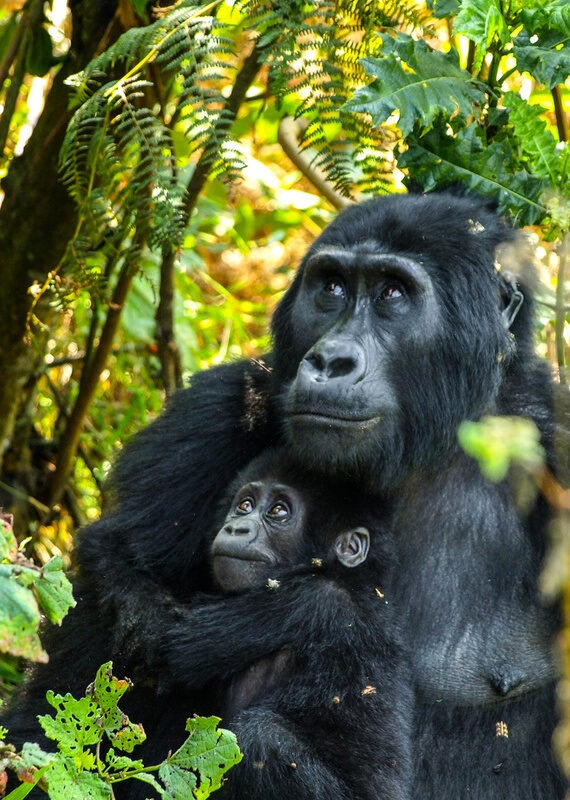
Rwanda’s responsible wildlife activity, particularly surrounding critically endangered mountain gorillas and white rhinos, puts it firmly on the list of destinations prioritising wildlife protection. Practising the ‘less is more’ model means fewer guests lessen the impact on the environment – you’ll need to book a permit for gorilla trekking, and time with the animals is limited.
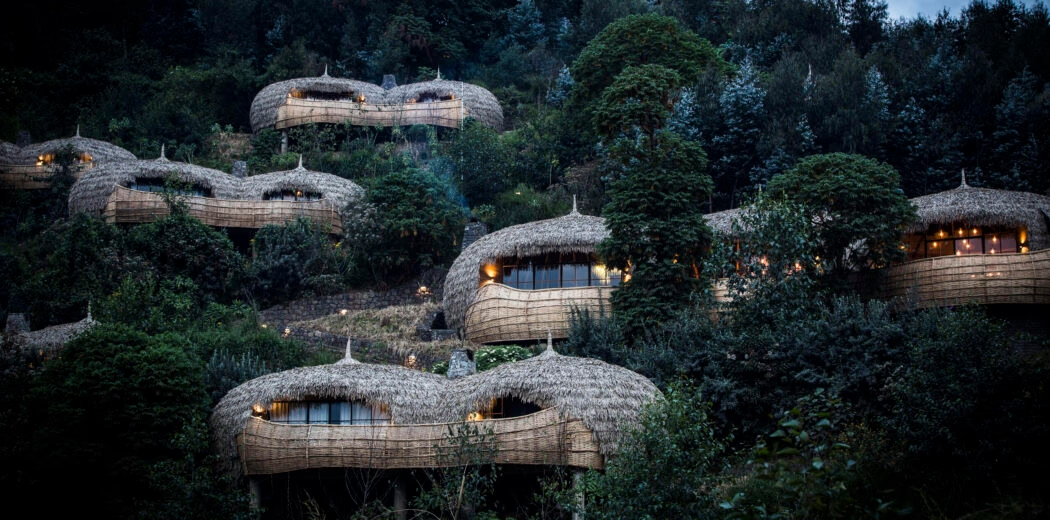
Wilderness Bisate Lodge, close to Volcanoes National Park, excels in great ape research and protection. In addition, its reforestation programme saw Bisate plant a record number of over 70,000 indigenous trees, ensuring its future for the local area.
Need to know: While the rainy season is great for birdwatching and other wildlife viewing, if you want to go gorilla trekking, the best time is from June–September, during the dry season.
6. Botswana
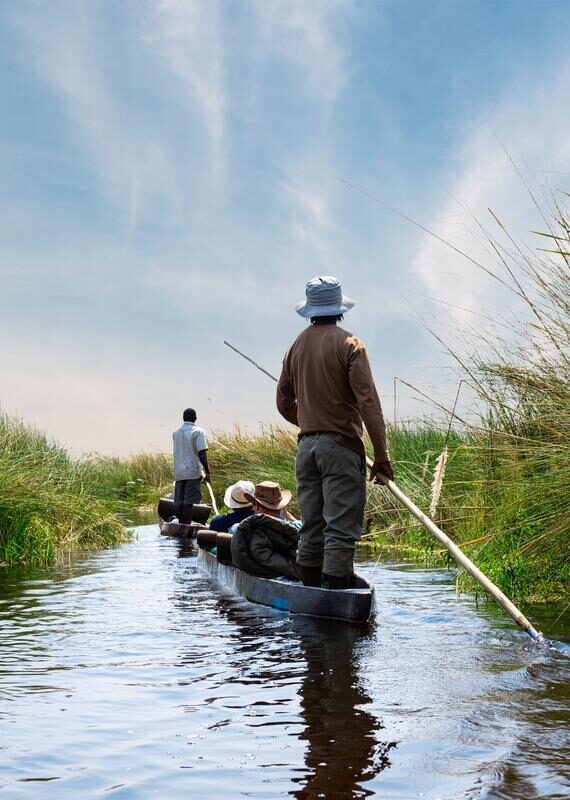
Botswana is one of the world’s top wildlife destinations, huge areas of the Kalahari are uninhabited by humans and a massive 37% of the entire country is set aside as a conservation area. There’s an impressive 10 national parks and masses of private reserves.
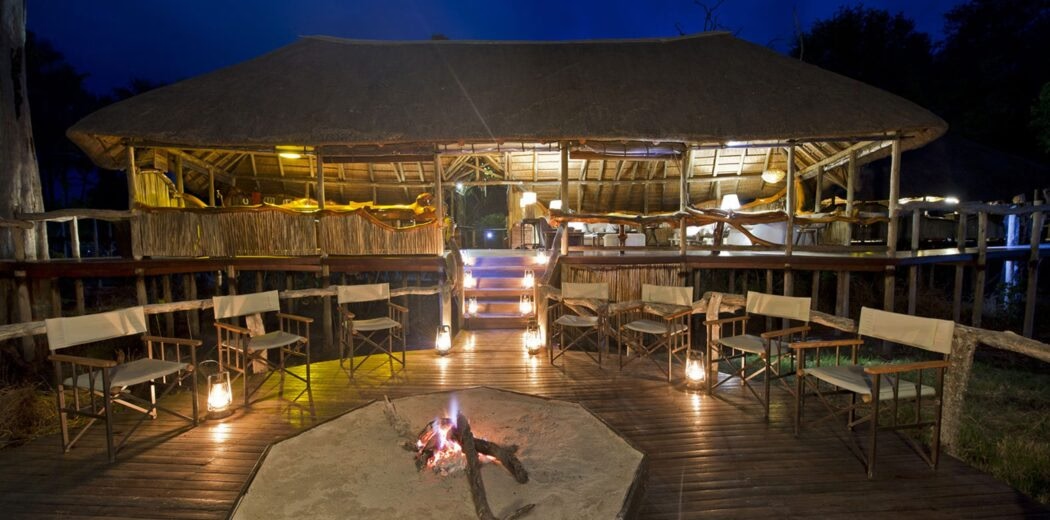
In the Linyanti, Wilderness DumaTau protects one of the world’s largest elephant herds by maintaining ancient wildlife corridors. In the Okavango Delta uplifting local communities and conservation goes hand in hand at Wilderness Vumbura Plains camp. Education, skill sharing and upliftment programs support local people and the wildlife sanctuaries they live in.
Need to know: The best time to visit Botswana for a safari is the dry season which runs from May–October. During this time the weather is cooler and wildlife is concentrated around the water sources for optimal game viewing. If you want to go birdwatching, travel during the green season from November–April.
7. Bhutan
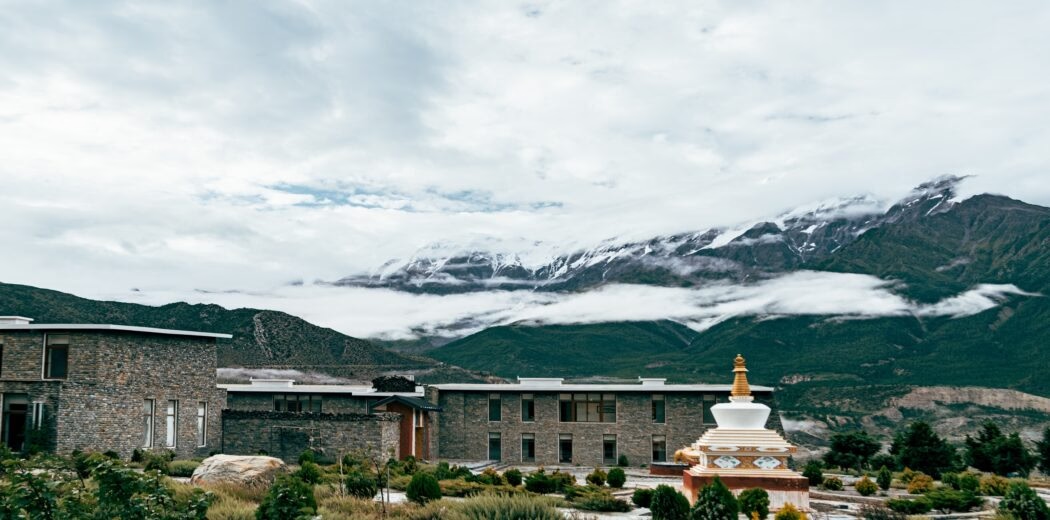
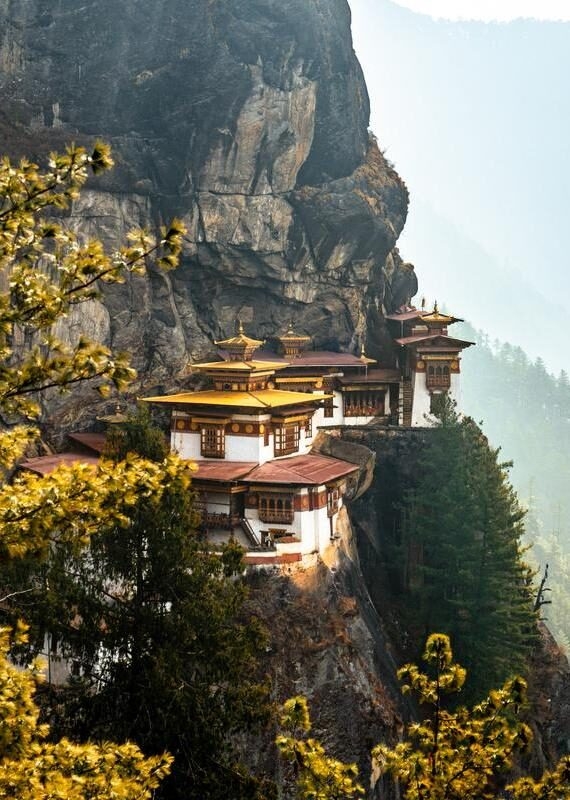
Bhutan is the last Buddhist kingdom on earth. One of our favourite destinations for low-impact vacations, this tiny, carbon-negative nation practises sensitive tourism, restricts visitor numbers and charges a daily visa fee. A ‘less is more’ approach mutually benefits guests and the Bhutanese – forging meaningful connections.
Conservation, growth and protection of national parks are high up on the constitutional agenda. Jigme Singye Wangchuck National Park in the Gangteng Valley offers visitors the chance to learn about black–necked crane conservation. Six Senses, one of the world’s leading hotel groups, known for its structured environmental policies, commits to preserving and protecting Bhutan’s unique environment.
Need to know: Spot black–necked cranes in November in the scenic Phobjikha Valley. October and November are also great months for hiking, with clear skies and pleasant day time temperatures up to 20°C (68°F).
8. Nepal
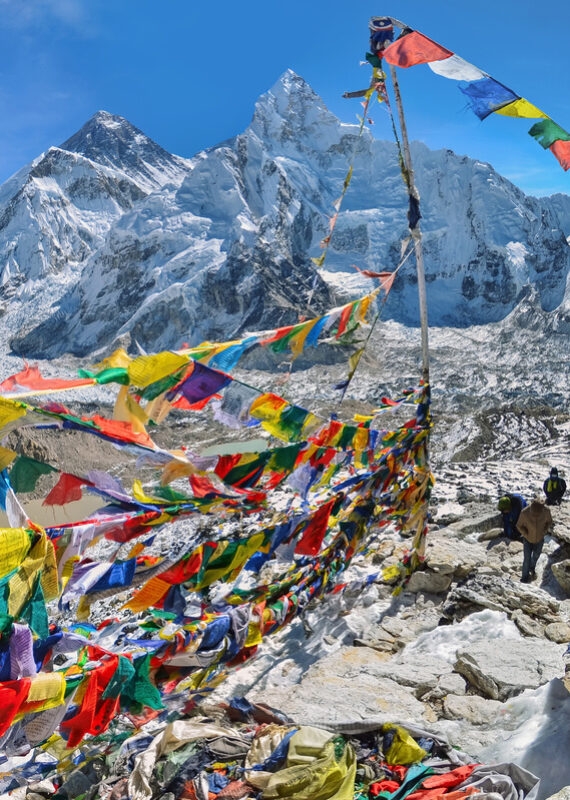
Nepal is blessed with an intense natural beauty, from the peaks of the Himalayas and Annapurna to the glistening lakes of Pokhara. The government protects 24% of the country with national parks, reserves and buffer zones (where people live within national parks) and there’s an emphasis on mutually beneficial, nature–based tourism.
Tiger Mountain Pokhara Lodge focuses on community and environmental initiatives in the middle hills of Nepal. They offer authentic experiences through which guests, employees, locals and the environment can thrive.
Need to know: Nepal experiences a monsoon season during the summer months of June–August. Wait until the rains have passed and visit from September–November for clear, dry weather and ideal hiking conditions.
9. New Zealand
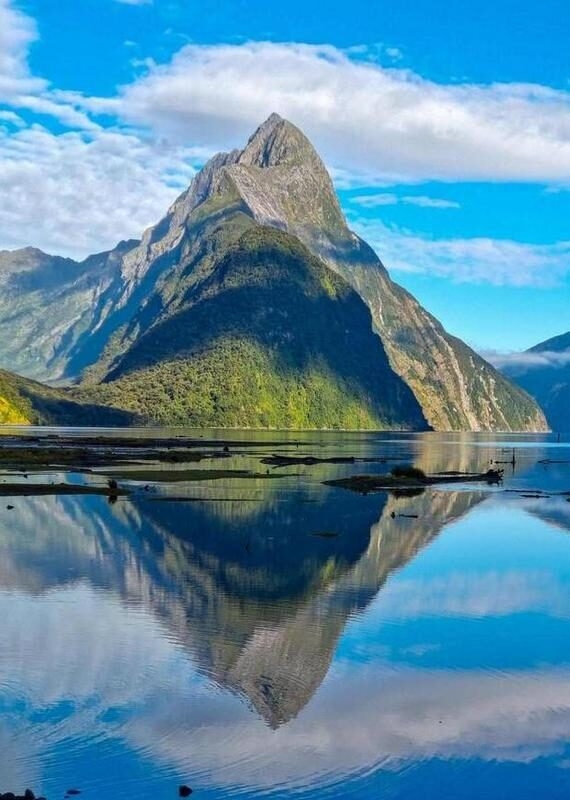
New Zealand is serious about its sustainable tourism; aiming to significantly reduce the tourist carbon footprint and working towards government targets of net zero by 2050, making it a great destination for low-impact vacations. Maori culture has spearheaded government policies that protect the environment, such as giving natural wonders the same rights as humans in a court of law.
On the shores of Lake Pukaki, off the grid, self–sufficient living and low impact excursions such as biking and stargazing, can be found at Lakestone Lodge. The lodge relies totally on solar power, rain and bore water and has a sewage treatment facility too.
Need to know: The summer months of December–February are New Zealand’s peak season, with the warm weather offering great conditions for outdoor exploration. If you want to travel at a quieter time, try March–May for beautiful autumn foliage and fewer visitors.
10. Iceland
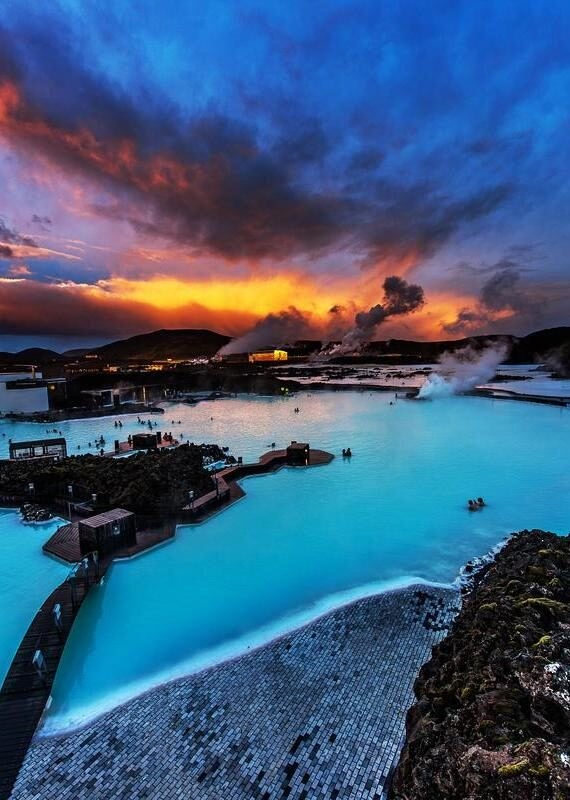
Epically beautiful, this icy island’s main attraction is the land itself. Rich in thermal energy and other renewable sources, Iceland is at the forefront of renewable energy production. In fact, 85% of its power is made by renewable energy.
Ice caving, puffin watching, viewing the northern lights, glacier hikes and soaking in the blue lagoon are among a host of low-impact activities that immerse visitors in this natural paradise. Energy-efficient design and green operations are showcased at both The Retreat at the Blue Lagoon, which harnesses geothermal power, and at Torfhús Retreat with its turf rooftops and fleet of electric vehicles.
Need to know: Iceland’s remarkable beauty makes it fantastic to visit all year round, with northern lights visible in the winter (December–March), and amazing hiking trails accessible through summer (June–September). Speak with our travel designers to make sure your visit coincides with which aspects are most important to you.

11. Finland
In 2022 report from the United Nations, Finland was ranked among the top countries in the world for sustainability. Impressively, the city of Lahti won the European Green Capital award in 2021 thanks to its energy-efficient homes, UNESCO-certified groundwater systems and its recycling programs.
Nationwide, 40 national parks protect this staggeringly beautiful environment. Across Finnish Sápmi there’s a host of activities suited to low-impact travel, including reindeer sleighs, husky safaris, cross country skiing, snowshoeing and even survival courses. Travel to the remote Wilderness Hotel Muotka, where the absence of light pollution can result in epic aurora displays.
Need to know: Visit Finland during summer, from June–August, to witness the captivating midnight sun, and when the warm weather creates ideal conditions for exploring the national parks. If snow sports are more your thing, then winter brings with it a plethora of snowy adventures to be had.
12. Switzerland
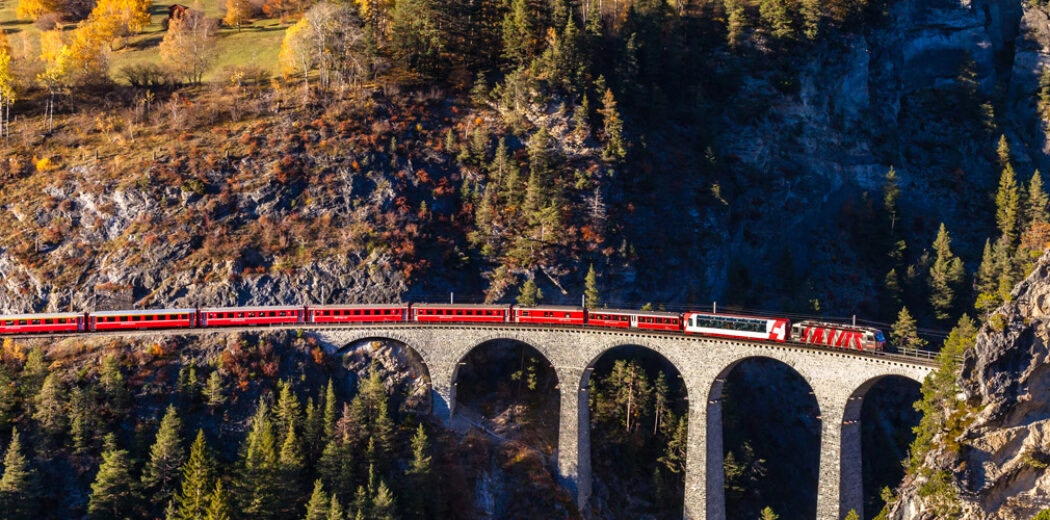
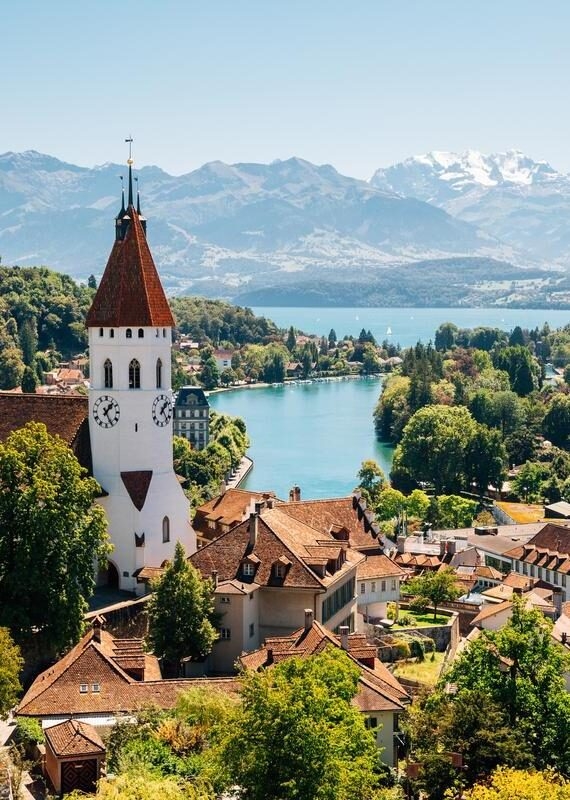
Known for its immaculate cities and clean living, Switzerland also has a high renewable energy usage, with nearly 60 percent of its electricity coming from hydropower. It also boasts excellent waste management with around 50% of rubbish being recycled.
Sustainability and luxury work together in the picture–perfect Alpine region of Gstaad at the Alpina hotel, particularly celebrated within their kitchens. The executive chef has introduced a zero waste philosophy, creating dishes such as zero waste pasta and pizza, using left-over rye bread to create casarecce pasta and dough.
Need to know: Switzerland is famed for its stunning natural landscapes. Visit during spring (April–June) to see the blooming greenery coming to life, or during autumn (September–November), when vistas are blanketed in vibrant autumn foliage.
Ready to start planning your responsibly designed adventure?
Whatever you want from your adventure, our expert travel designers are ready to help