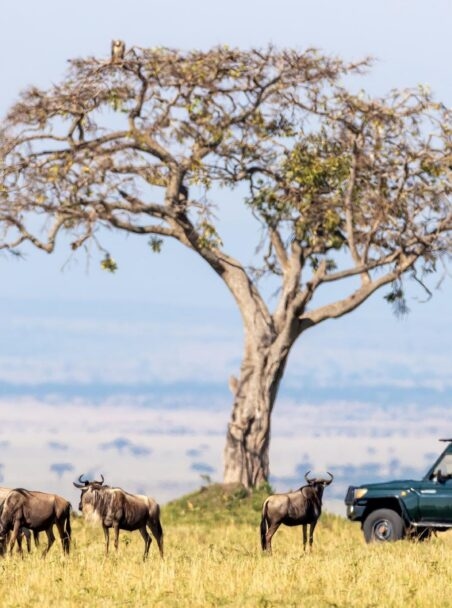
The Best Places in the World for Birdwatching Safaris
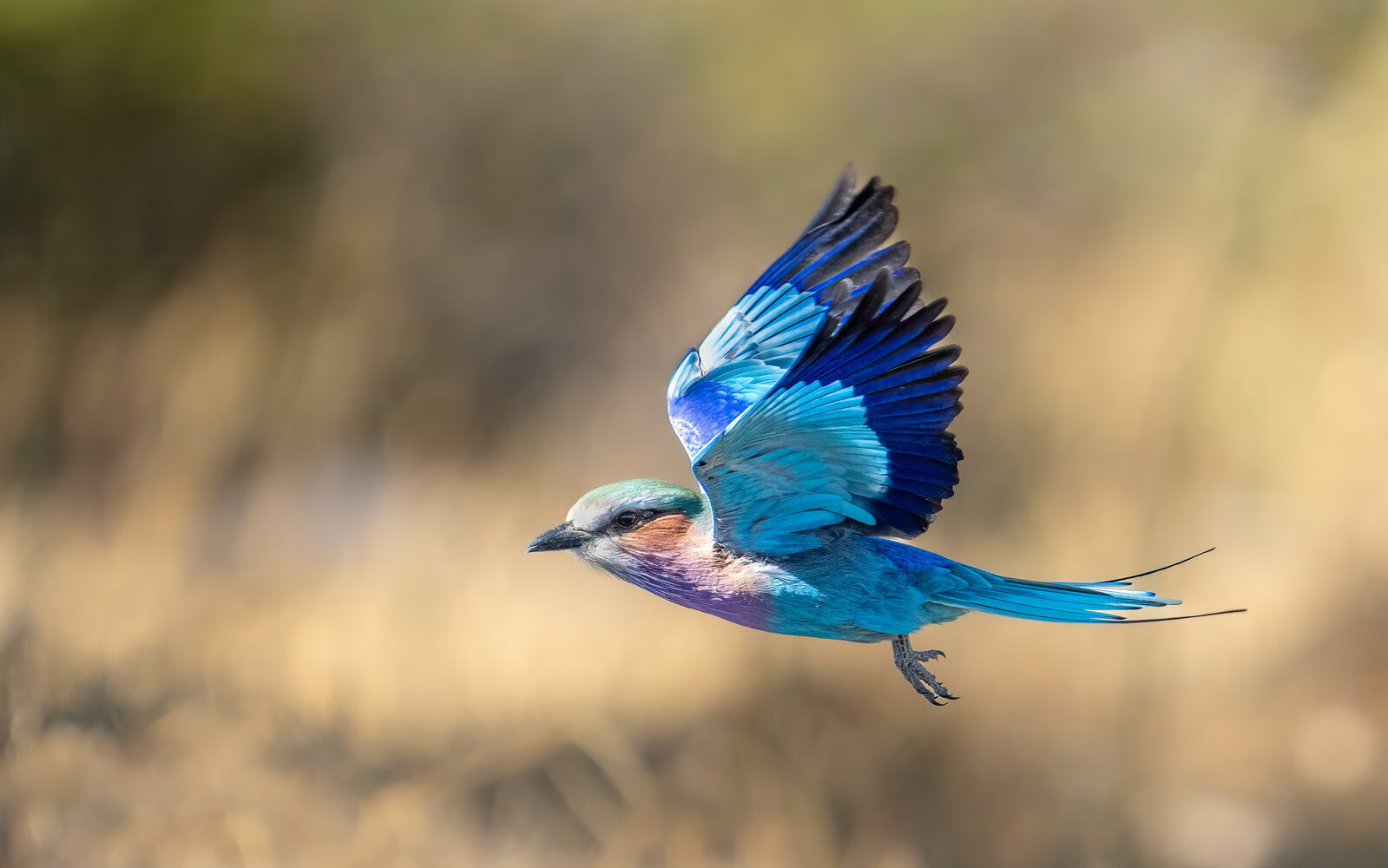
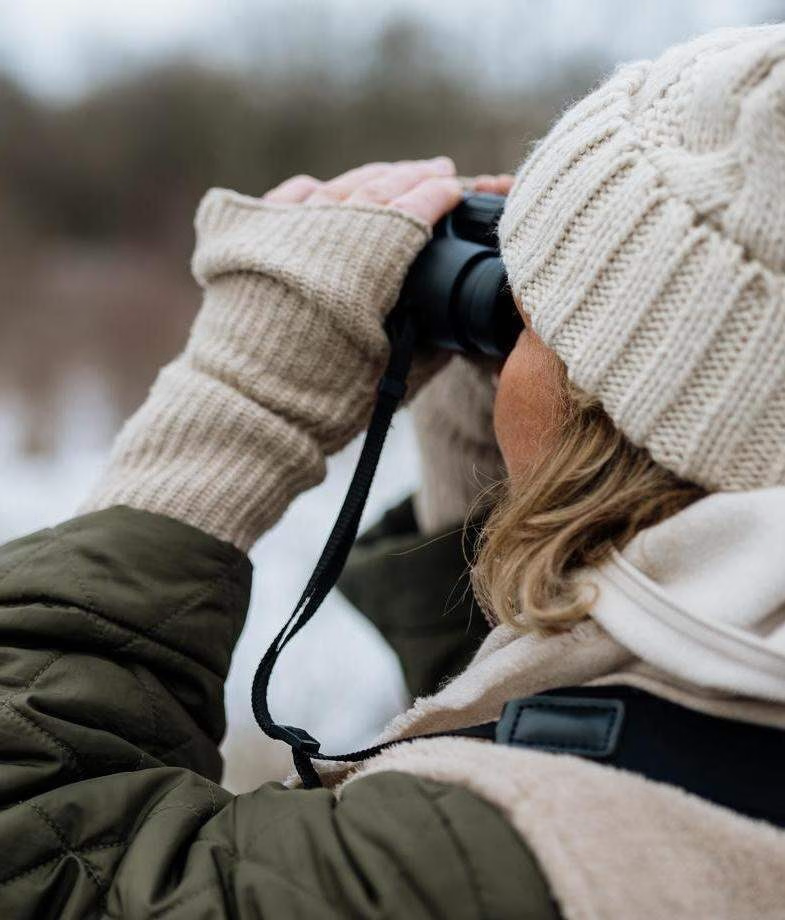
Our luxury birdwatching tours take you deep into biodiverse destinations with passionate naturalist guides. Observe endemic Darwin's finches in the Galápagos Islands, look for lilac-breasted rollers along the waterways of Botswana’s Okavango Delta, or search for New Zealand’s kiwis on a nocturnal walk.

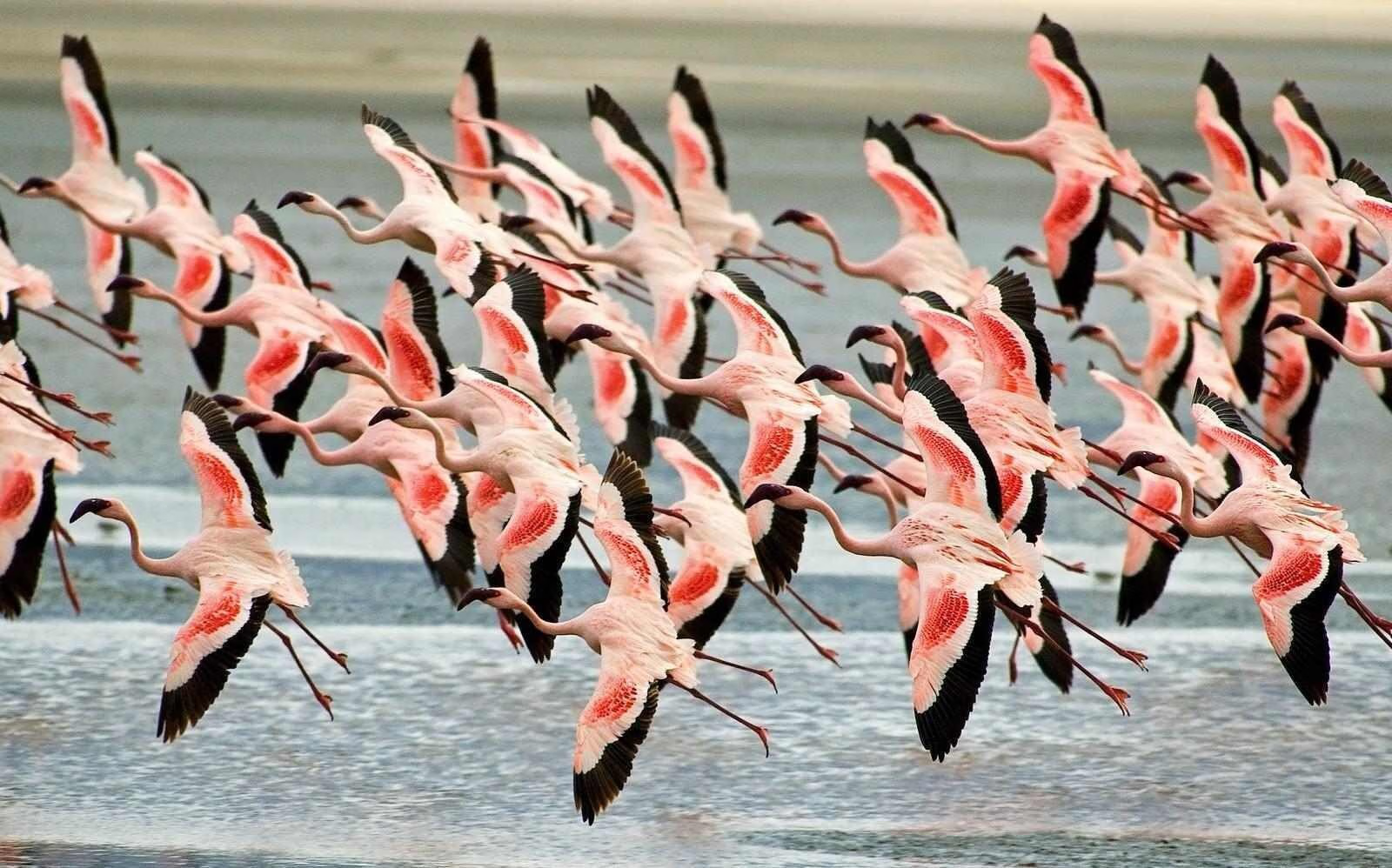
Watch, silently, for the vibrant flash of a hummingbird in Colombia’s cloud forest. Search for rare Pel’s fishing owls along the narrow channels of the Okavango Delta in Botswana. Observe huge flocks of flamingos on Kenya’s Rift Valley lakes. And cruise around dramatic coastlines to see puffins in Iceland and golden eagles in the Scottish Highlands.
Our luxury birdwatching tours immerse you in spectacular landscapes and encourage slow journeys on foot and by boat. Soak in the sights and sounds of your surroundings with dedicated naturalist guides, whose expertise will give you the greatest opportunities to spot rare and endemic species.
In this guide, we look at some of the best places for birdwatching safaris, to help you plan your own luxury adventure.
Colombia
Best for diverse and endemic species
Colombia has the highest bird diversity in the world, with around 1,900 recorded species. Head into the cloud forests of Sierra Nevada de Santa Marta to look for endemic hummingbirds and Sierra Nevada brushfinches. Scan the canopies from your private villa at Casa Oropéndola, or spot black-and-gold tanagers on a walk with a local birding expert.
Your itinerary can combine Coffee Triangle plantation tours with birdwatching in the Barbas Bremen Reserve, where you might spot multicoloured tanagers, toucans and yellow-eared parrots. Hike to see Andean condors in Chingaza National Park, also home to pumas and spectacled bears. Or explore the Colombian Amazon with a Tikuna guide, seeking purple-breasted cotingas and blue-crowned trogons.

The Pantanal, Brazil
Best for wetland birding safaris
A biodiverse patchwork of floodplains, savannah and rainforest, the Pantanal is the world’s largest freshwater wetlands area. Late July sees mega-flocks of jabiru storks, spoonbills and other wading birds gather around pools in the northern wetlands, while August to October is peak for migration.
Stay at Barra Mansa, an exclusive lodge on the banks of the Rio Negro, and cruise in a canoe or silent electric boat to look for toucans and rare mammals like giant otters and jaguars. Spend time with conservationists at the Hyacinth Macaw Project and observe these large endangered, electric-blue parrots up close. Or look for them in the wild on a photographic safari, organised by the NGO Onçafari, from Casa Caiman lodge.
On safari in the Pantanal
The largest tropical wetland in the world, the Pantanal is the most wildlife-dense region in the Americas. Here, you can spot striking bird species like jabiru storks wading through shallow pools and vibrant hyacinth macaws grooming their plumage in the trees. You’ll also have the chance to see mammals such as capybaras, pampas deer, ocelots and jaguars.

Okavango Delta, Botswana
Best for walking and waterway safaris
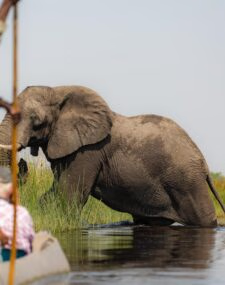
The floodplains, palm islands and open savannah of northern Botswana provide habitats for the Big Five and more than 480 bird species. On an Okavango Delta birding safari you can float down the channels in a mokoro (traditional dugout canoe), looking for lilac-breasted rollers and Pel’s fishing owls.
Stay in luxury tented lodges in private concessions where you’ll be among few guests, heading out on nature walks with ornithologist guides who can untangle the chorus of birdsong.
Travel in the green season (November to April) to view huge flocks of breeding yellow-billed storks and wattled cranes. And pair your birdwatching safari with a cultural tour of Cape Town in South Africa, tasting street food and delving into the arts scene with local guides.
East Africa
Best for Rift Valley lakes full of flamingos
We recommend birdwatching expeditions around East Africa’s Great Rift Valley lakes as part of a broader Kenya safari or multi-destination private birding safari in Africa. January and February typically see the highest numbers of flamingos on Kenya’s Lake Nakuru, or you can view them at Lake Magadi in Tanzania’s Ngorongoro Crater.
Look for green-headed orioles among the floodplains, forests and savannahs of Mozambique’s remote Gorongosa National Park. In Uganda, cruise the papyrus wetlands of Mbamba Swamp in a canoe to see shoebill storks, or take a forest hike in Kibale Forest National Park, looking for sunbirds and green-breasted pittas.
India
Best for watching birds and big cats
More than 1,350 species of birds have been recorded in India’s wetlands, rainforests, coastal areas and Himalayan foothills. Visit from October to April to see migratory wading birds in the wetlands of Keoladeo National Park in Rural Rajasthan. And stay at remote Suján Jawai to take private game drives to track leopards and enjoy birdwatching walks.
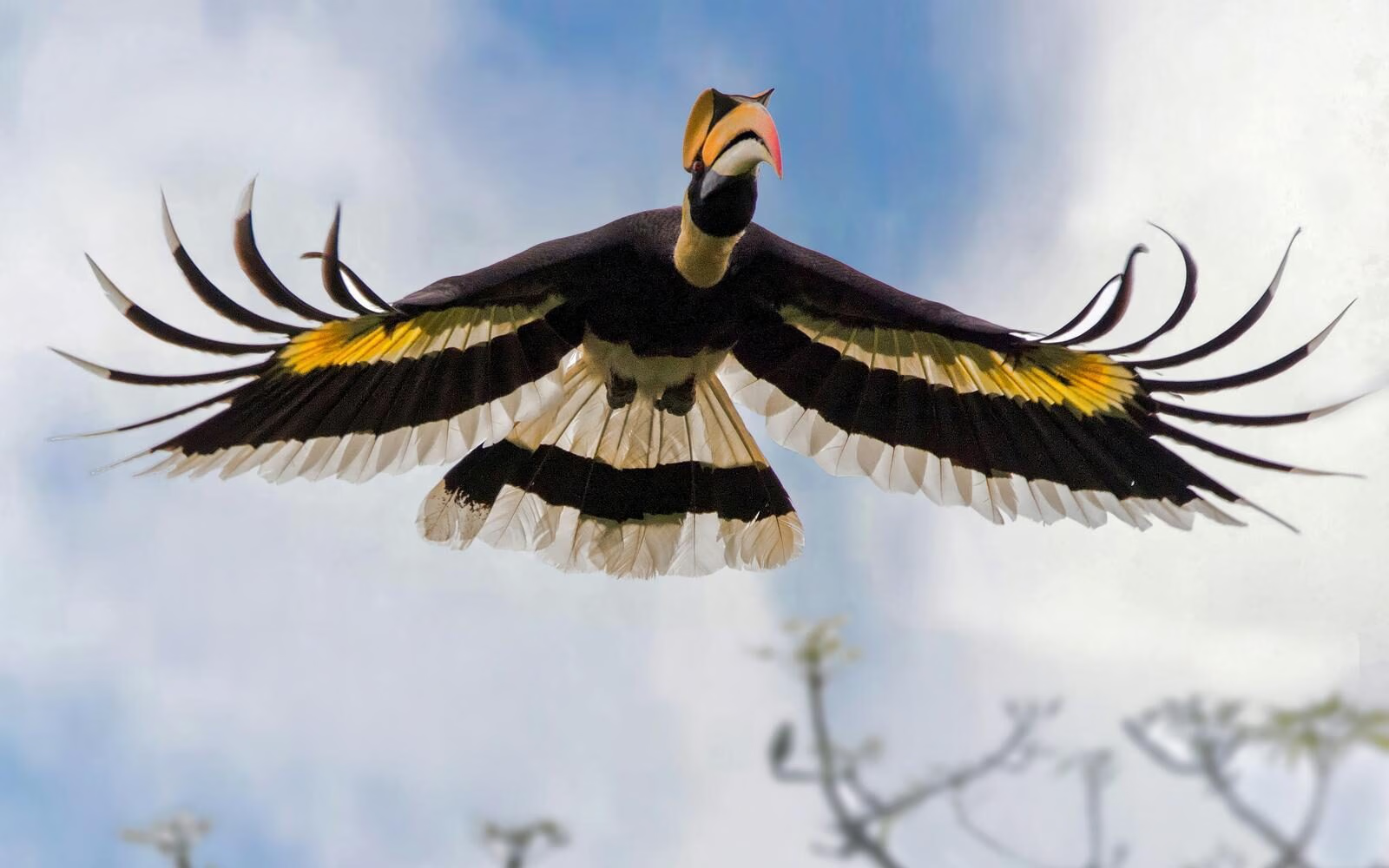
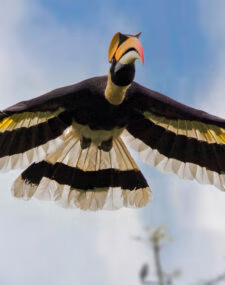
Look for rare owls and nightjars on a nocturnal walk through Gir Forest National Park, home to around 400 bird species and wild Asiatic lions. Seek great hornbills and Malabar trogons in the central hill forests and wetlands of Kerala. And, in nearby Thekkady, explore the jungle from a bamboo raft on the lake, looking for raptors and aquatic birds.
Scotland
Best for Highland eagles and coastal puffins
The heather-sprayed mountain slopes and forested coastline of the Scottish Highlands harbour diverse species of birds. Look for red kites and white-tailed eagles on a boat trip over Loch Tay. Or watch silently from a hide in the ancient Caledonian Pine Forest, looking for crested tits and Scottish crossbills, the UK’s only true endemic bird species.
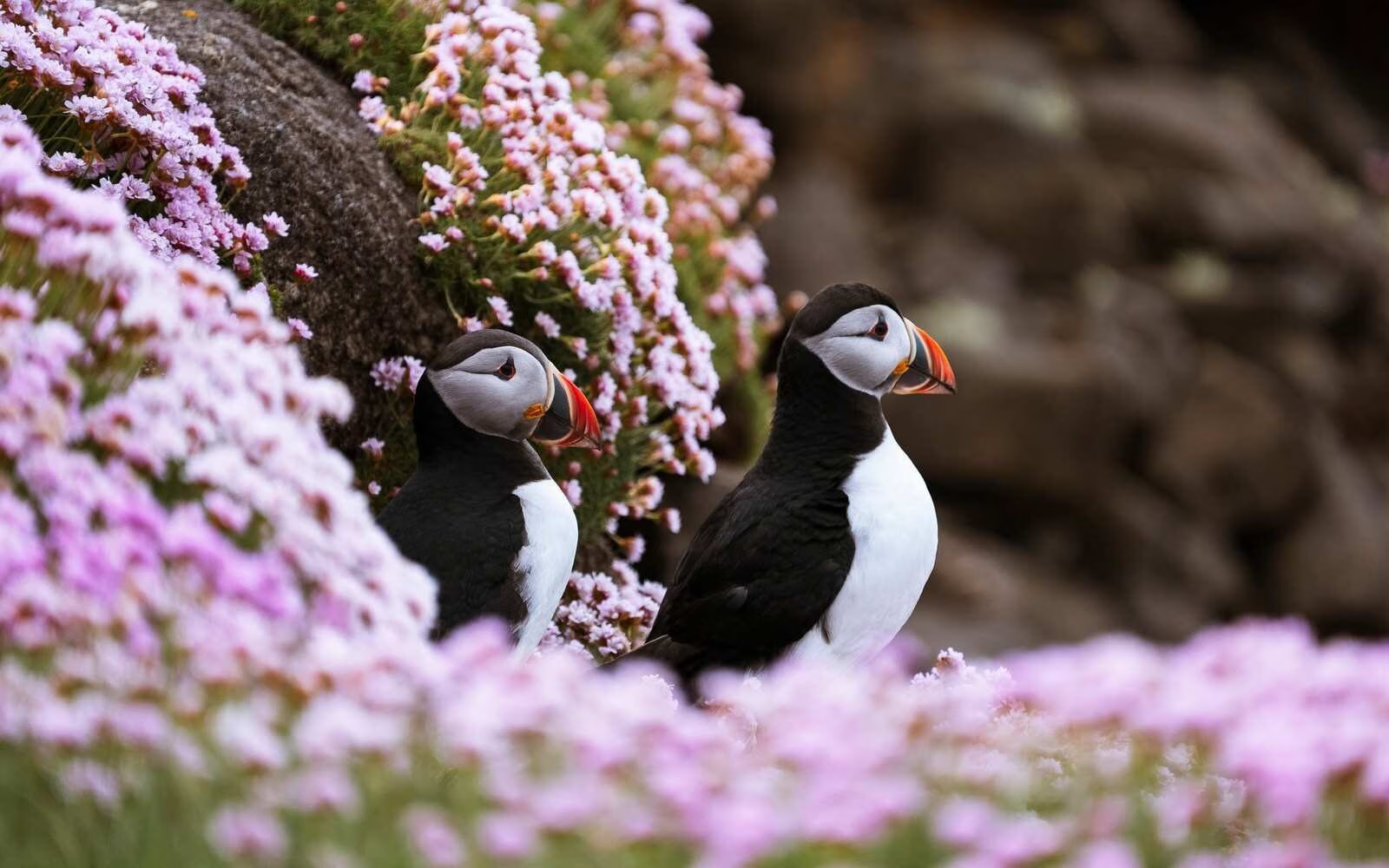
Puffins nest at Dunnet Head between May and July, when you can observe pufflings and watch adult birds catch beakfuls of tiny sandeels. Off the West Coast, golden eagles, hen harriers and various water birds are regularly spotted on the remote islands of the Outer and Inner Hebrides.
Iceland
Best for midnight sun seabirds
Iceland’s peak puffin-viewing season is in June and July, coinciding with the bright, pink-gold evenings of the midnight sun. Take a private speedboat tour to observe thousands of the nesting seabirds on tiny, uninhabited islands in Skjalfandi Bay, Northern Iceland.
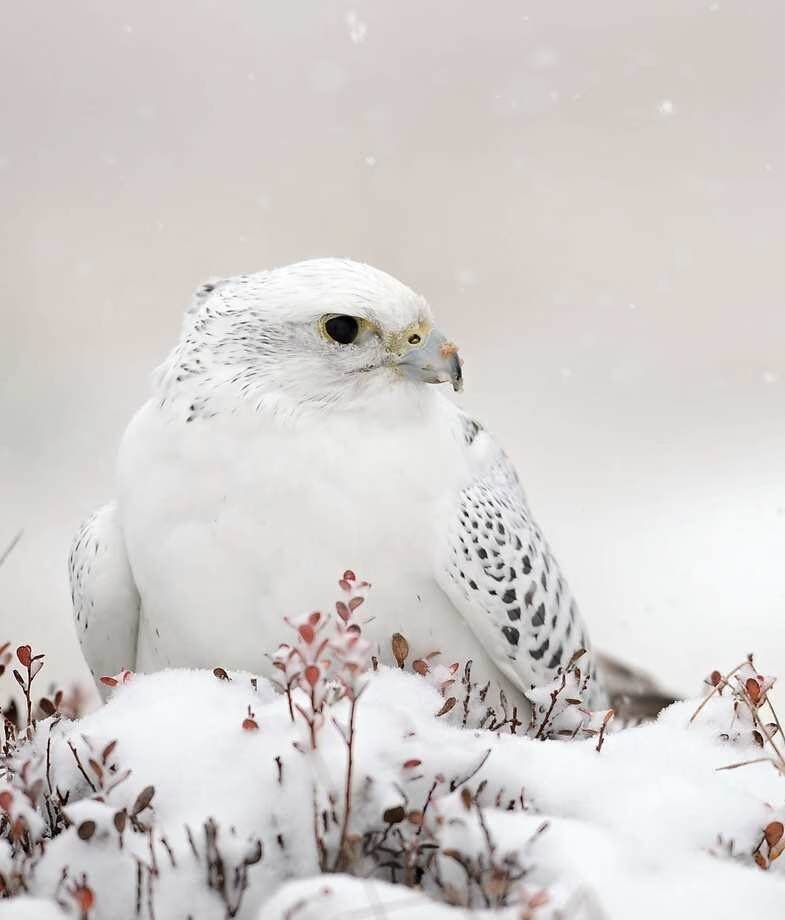
Near Reykjavik, depart Faxaflói Bay on a rigid inflatable boat (RIB) to look for seabirds, dolphins and humpback whales. Or visit the remote Eastern Fjords, where puffins can be viewed from wooden walkways by the tiny village of Borgarfjordur Eystri. And in the stark, uninhabited Highlands, look for Iceland’s national bird, the gyrfalcon, around the cliffs.
Galápagos Islands
Best for marine safaris and unique species
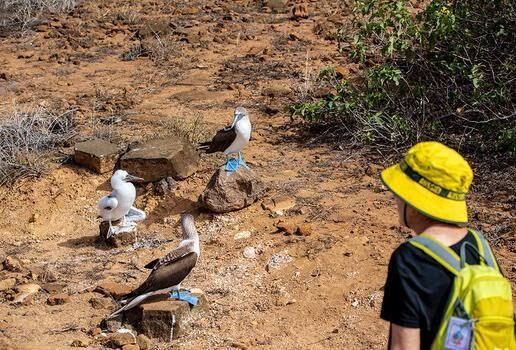
The Galápagos Islands are home to an array of enchanting resident bird species all year round. Take a marine safari by private yacht or join a larger expedition cruise led by naturalist guides. You’ll have incredible access to conservation hubs like Daphne Major, site of a decades-long evolutionary study into Darwin’s finches. It’s also one of our favourite places to observe blue-footed boobies, which nest on the terraces.
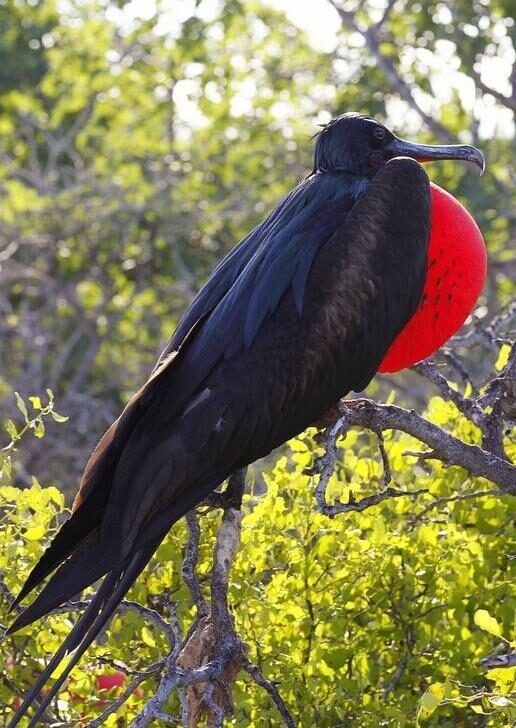
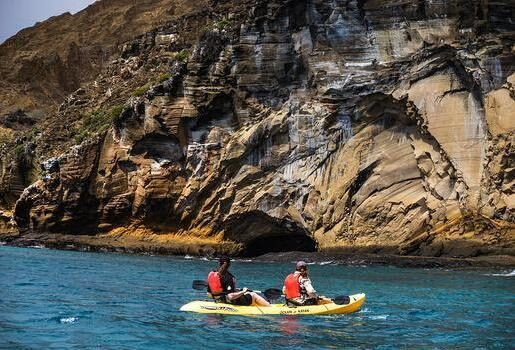
On Isabela Island, hike to Los Humedales (the wetlands) to see pink flamingos. Observe great frigatebirds on Genovesa’s Darwin Bay Beach between March and May, when males puff out their red balloon pouches to attract mates. And board a small panga or Zodiac boat to look for Galápagos penguins.
New Zealand
Best for tiny penguins and nocturnal kiwis
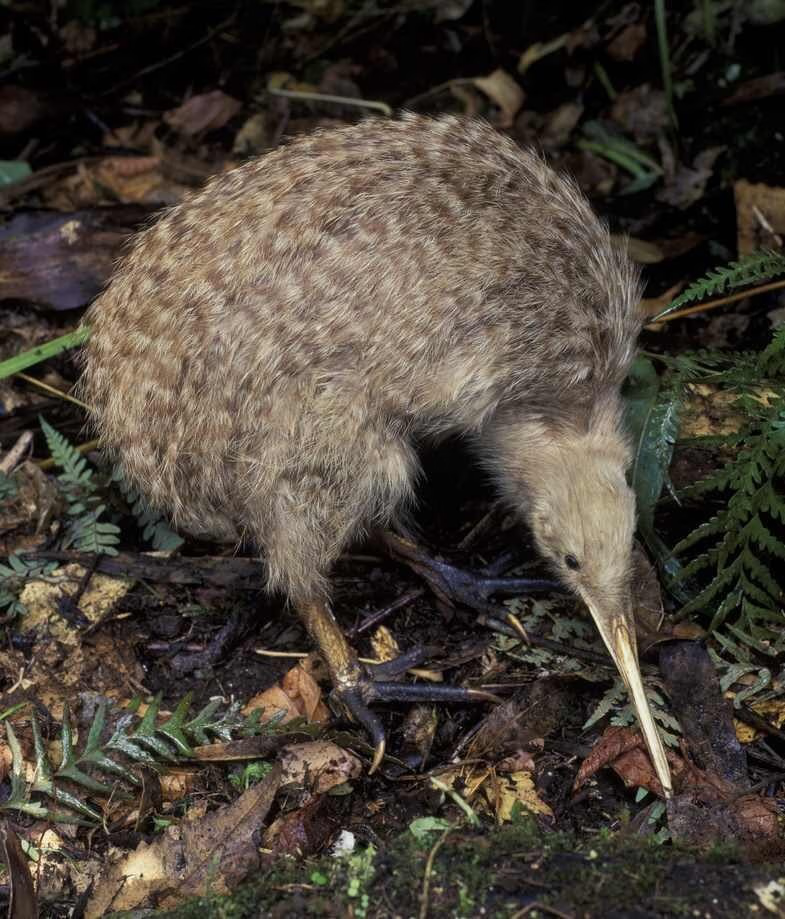
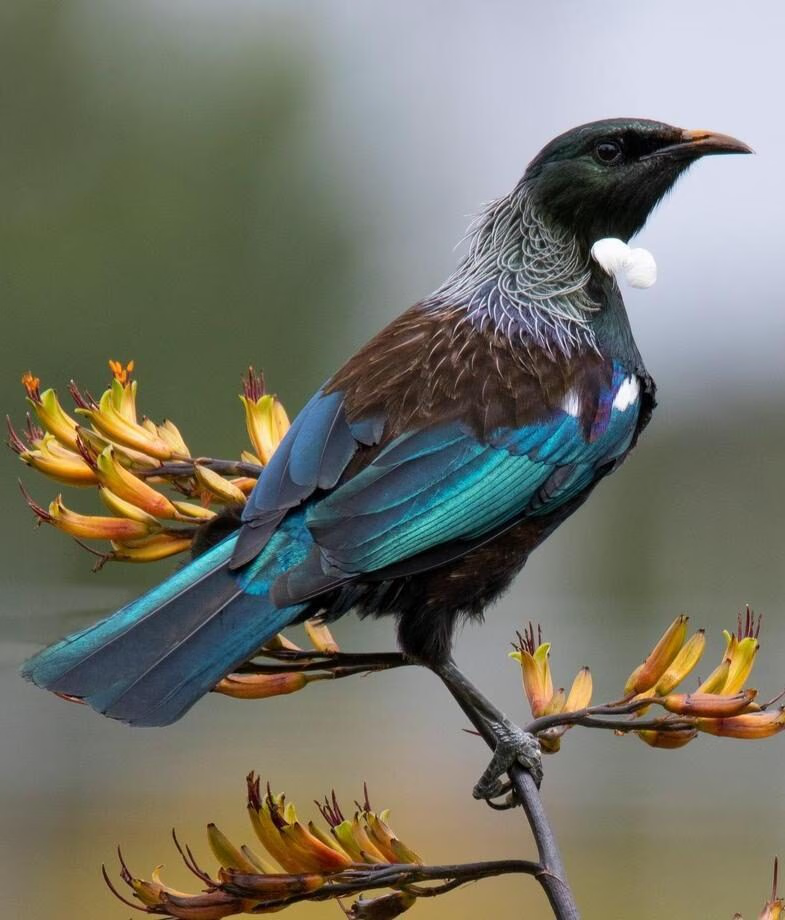
New Zealand is home to birds you won’t find anywhere else. Watch for iridescent blue-and-green tūīs in the forested shoreline of Lake Wanaka. Tour Rotorua’s National Kiwi Hatchery to learn about conservation efforts to protect the country’s national bird and possibly see a newly hatched chick. Then take a nighttime tour of predator-free sanctuary Zealandia in Wellington to look for these endangered, flightless birds along with other species like moreporks (little brown owls).
Near Dunedin, explore the remote Otago Peninsula to spot royal albatrosses and observe yellow-eyed penguins from a hide. See the huge colony of nesting gannets at Cape Kidnappers between November and February, combining treks here with wine tasting around nearby Hawke’s Bay. Or take a private marine safari from Kaikoura to observe dusky dolphins, albatrosses and blue penguins – the smallest penguin species in the world.
Ready to start planning?
Whatever you want from your next birdwatching safari, our travel designers are ready to help.
Beyond birds
Each destination in this article offers fantastic opportunities for birdwatching. Yet birds aren’t the only wildlife you’ll be able to spot on your trip.
Take a look at our travel guides to discover some of the other animals you can search for when travelling to East Africa and the Galápagos Islands.