The Top 10 Reasons to Visit Egypt
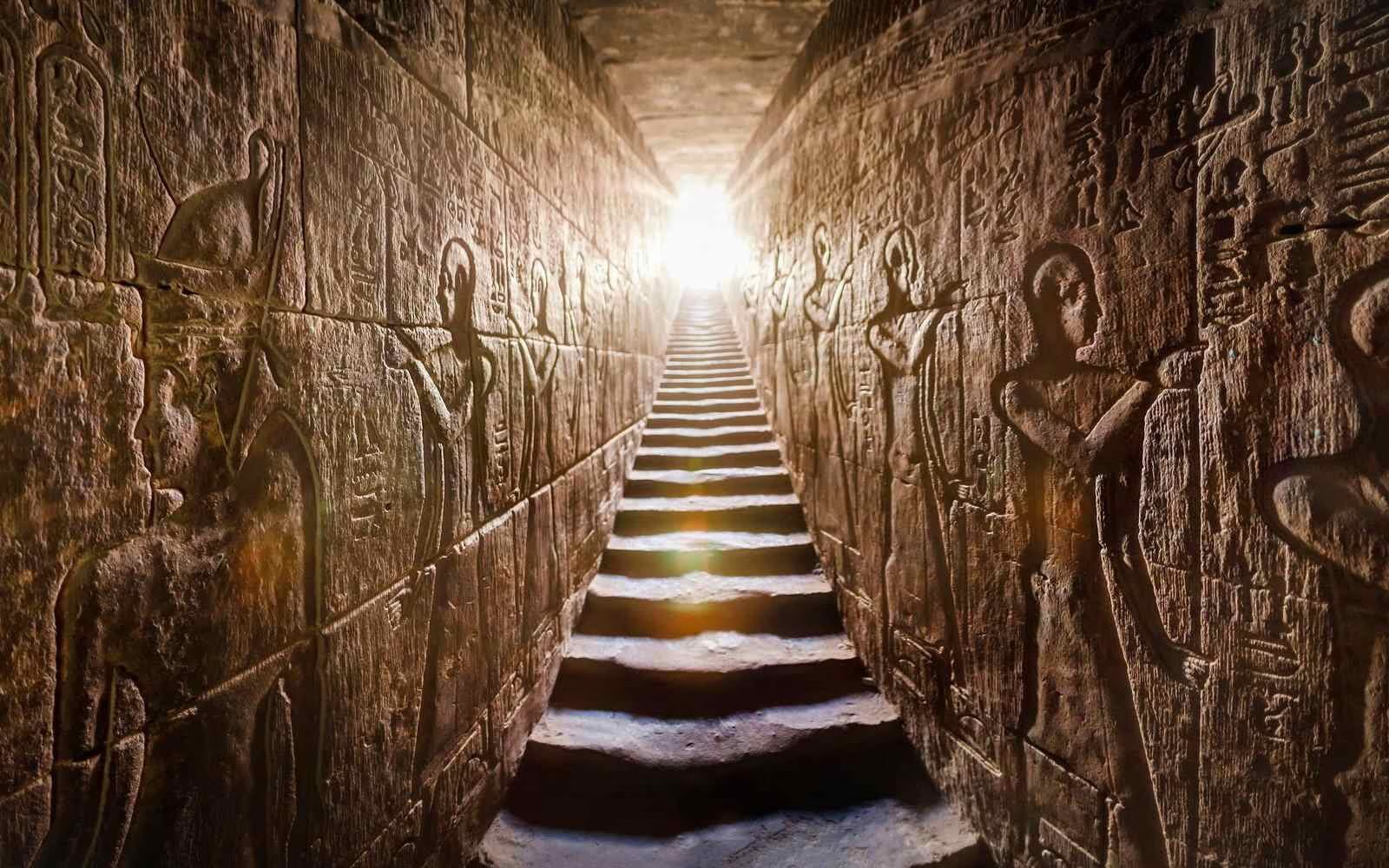
Immerse yourself in the past at historic temples and tombs, snorkel or dive amid kaleidoscopic coral reefs, and head out on epic desert adventures in the Sahara.

Home to legendary landmarks, balmy beaches and dune-filled desert, Egypt is a destination that captures the imagination. And while it’s most famous for being a land of pharaohs and pyramids, there’s far more to the country than what lies in its past.
Sun-soaked beaches lapped by clear waters rich in marine life. Rolling sands dotted with lush oases. Nubian villages on the banks of the Nile. Sprawling cities of labyrinthine bazaars, fantastic food and striking architecture.
Here are our top ten reasons to visit Egypt.
1. Incredible ancient history
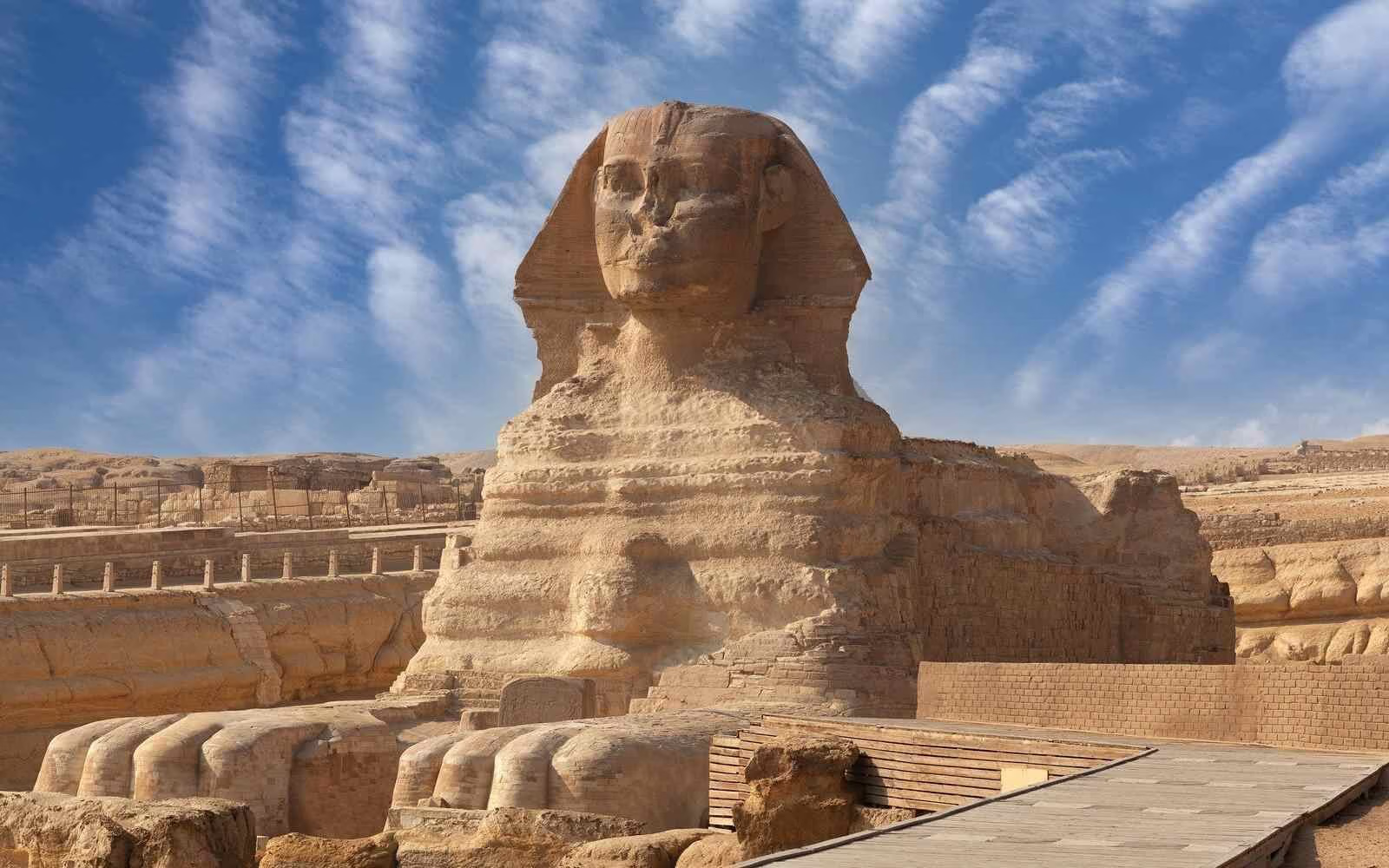
Egypt is where one of the world’s most impressive ancient civilisations flourished. And its remnants are everywhere you look. In Cairo, you can have breakfast overlooking the Great Pyramid, stand between the paws of the Great Sphinx, and even enter one of the pyramids.
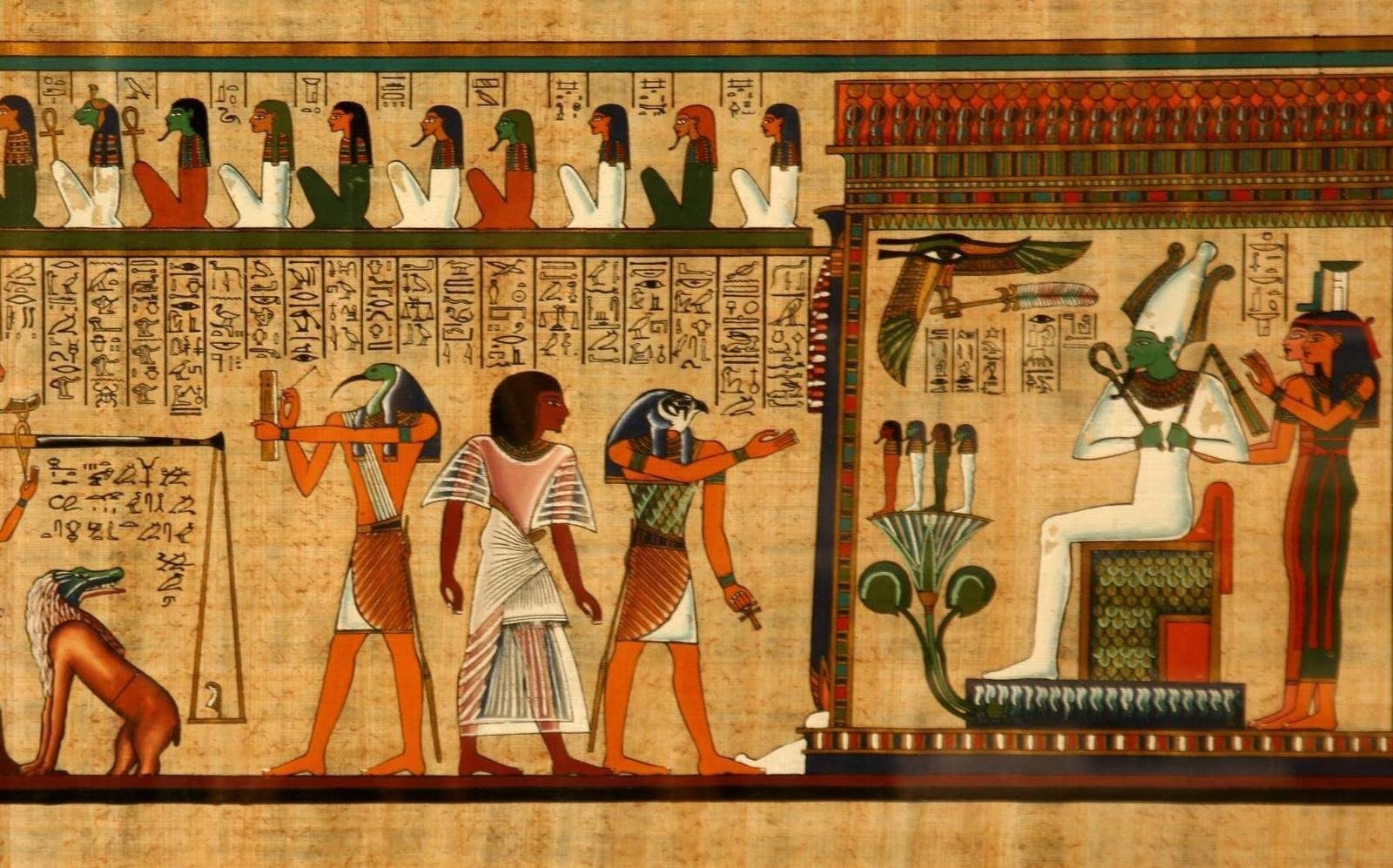
Further south, in Luxor, soar above the Valley of Kings in a hot air balloon or enter on foot to step inside the burial chambers of Tutankhamun, Seti I and Ramses V and VI. We can also arrange a private visit to the tomb of Queen Nefertari.
2. Captivating temples
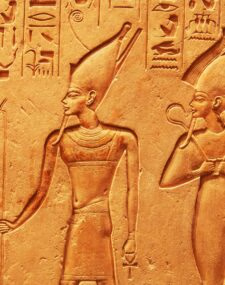
Among all of Egypt’s breathtaking archeological sites, its temples deserve special mention. Stepping into one of these sacred buildings gives you a glimpse into how spirituality and mythology intersected with daily life in ancient Egypt.
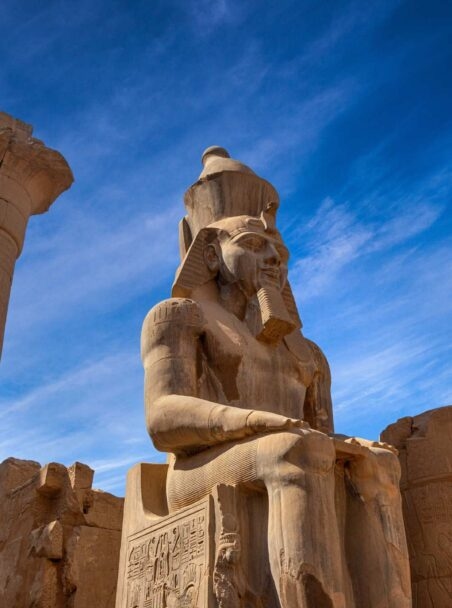
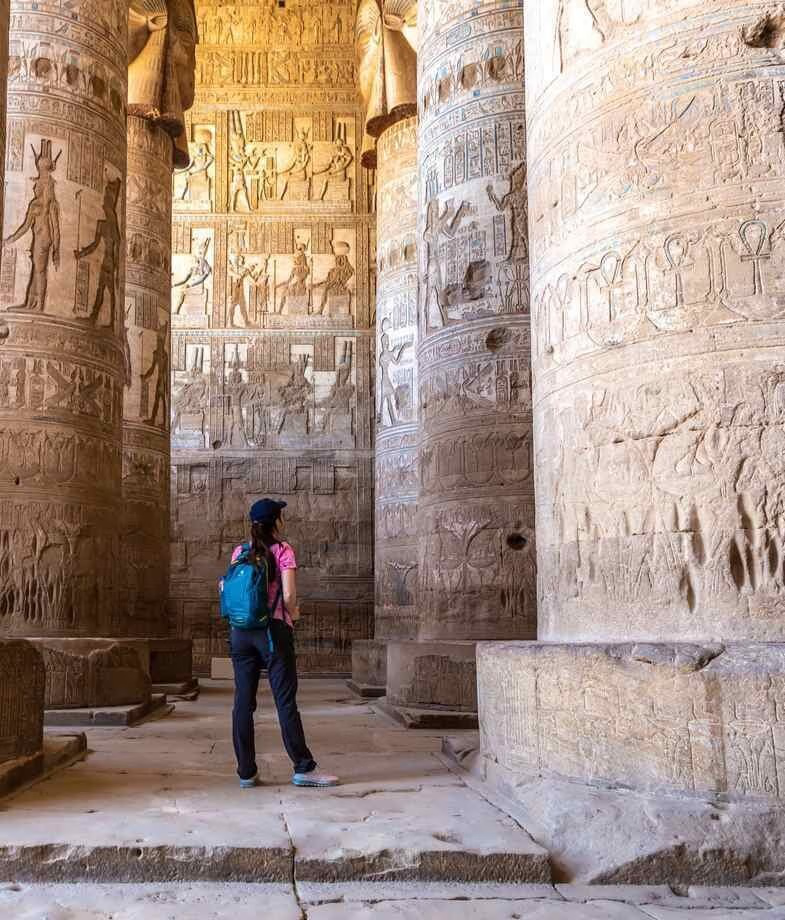
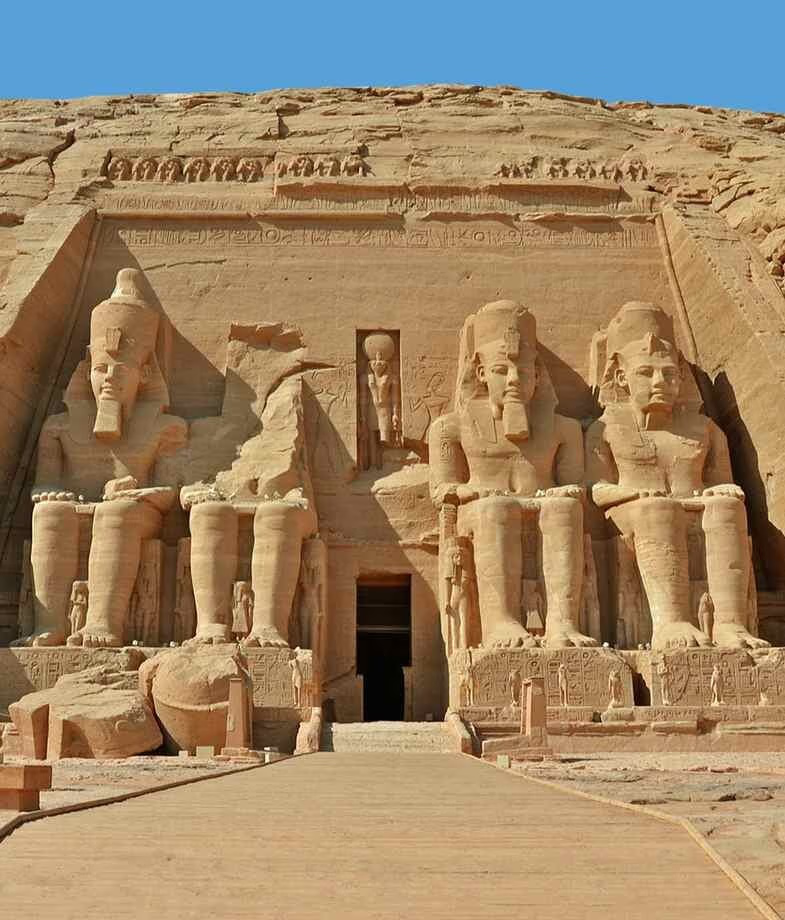
Stroll between towering sandstone columns engraved with hieroglyphics at Karnak Temple. Wander the colourful halls of Dendera Temple. Marvel at the colossal statues carved into the rock at the complex of Abu Simbel. Visit Luxor Temple at night and see its architecture illuminated beneath the stars. And explore ancient myths at Edfu Temple, which is dedicated to the falcon god, Horus.
3. Delicious cuisine
Egyptian cuisine blends aspects of Mediterranean, Middle Eastern, and North African culinary traditions while maintaining distinctive flavours. It’s centred on vegetables, legumes and fruit, as well as seafood in the coastal areas. You’ll also find fantastic bread, cheese and meat dishes.
Take a food tour in Cairo to sample local specialities like koshari (pasta with chickpeas and lentils) and om ali (similar to bread pudding). Attend a cooking class to learn how to make traditional dishes like ta’ameya (Egypt’s version of falafel) and basbousa (semolina cake). Or enjoy a luxurious private dinner at Luxor Temple.
4. Modern cities and culture
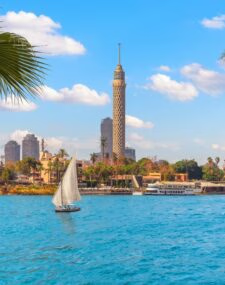
Although it’s best known for its illustrious past, modern-day Egypt is also worth exploring. The old and new parts of Cairo strike a fascinating balance, juxtaposing thousands of years of history with a bustling modern metropolis.
In Alexandria, you can browse boutique shops and learn about Egypt’s recent past from journalists and political experts. Meanwhile, mesmerising sound and light shows bring ancient sites like Karnak Temple and the Pyramids of Giza into the modern age.
5. Thrilling desert adventures
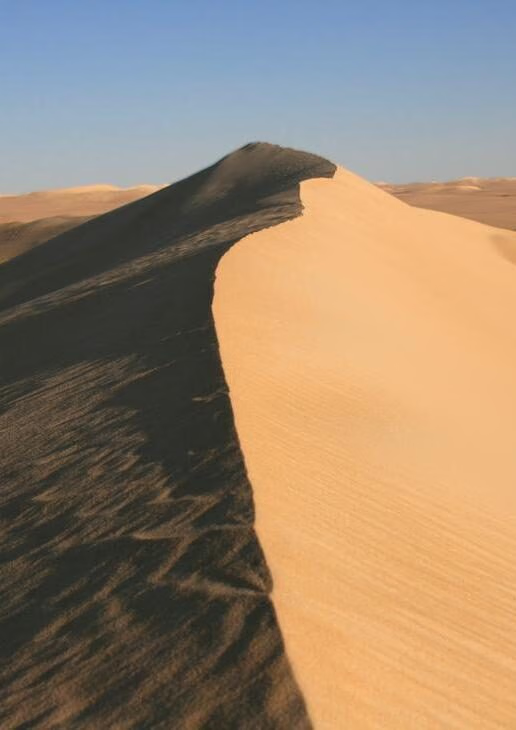
The Western Desert is one of Egypt’s defining features. Part of the Sahara, it covers around two-thirds of the country. This vast landscape is dotted with oases, olive groves and even waterfalls – all of which can be discovered on exciting expeditions into the desert.
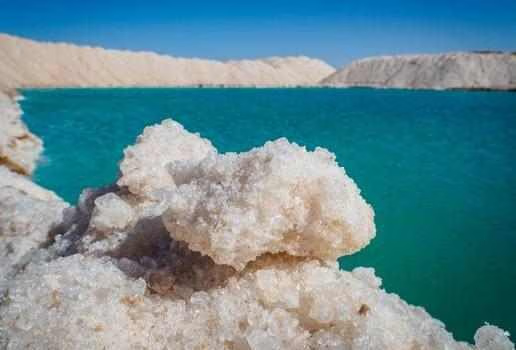
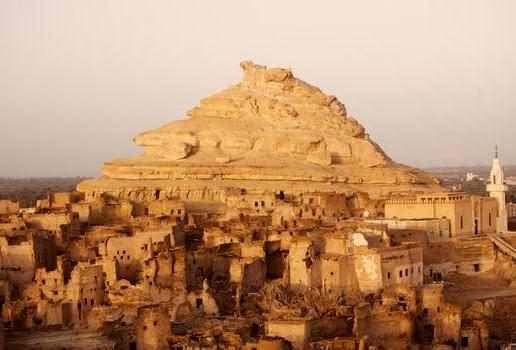
Thrill-seekers can venture to Wadi Al-Hitan to see ancient whale fossils, or the dreamy Siwa Oasis with its turquoise lakes, swaying palms and the scenic village of Shali. The best time to visit is outside the summer months (July and August), when temperatures often exceed 40ºC (104° F).
6. Mesmerising museums
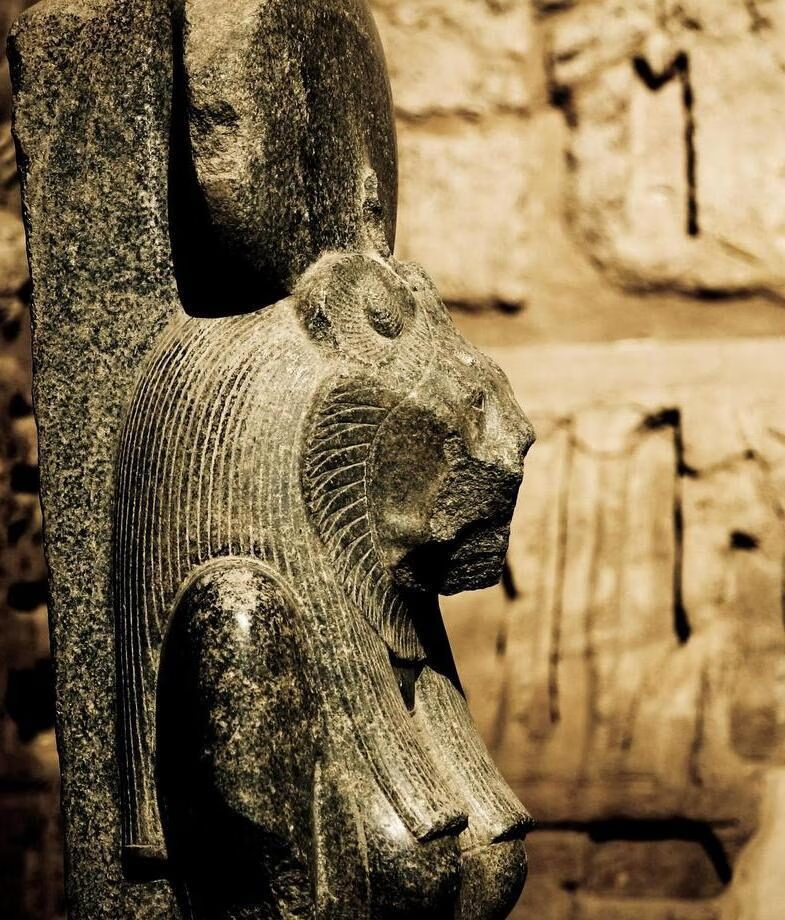
It’s no surprise that a country with this much history is chock-full of amazing museums. In Cairo, the Egyptian Museum and National Museum of Egyptian Civilisation exhibit a wealth of artefacts from the country’s long history. And we can take you behind the scenes at the new Grand Egyptian Museum to learn about the latest discoveries and the techniques used to preserve these age-old treasures.
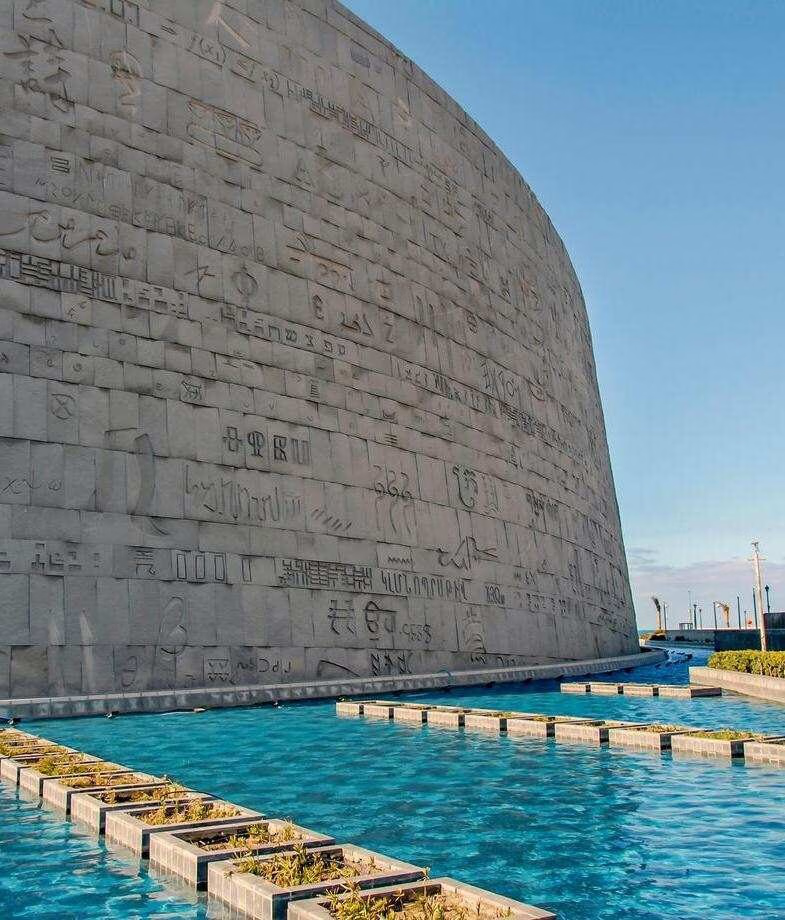
Outside of the capital, the Luxor Museum displays a number of relics that were discovered in the tomb of Tutenkhamun. And in Alexandria you can visit the Bibliotheca Alexandrina. Built on the site of the ancient Library of Alexandria, it houses several museums and exhibitions as well as reading rooms and a planetarium.
Strolling through these beautifully designed spaces is one of the best things to do in Egypt – and the perfect complement to visiting the sites where many of their artefacts were found.
7. Expert Egyptologists
There aren’t many countries with an entire branch of science named after them. Egyptologists are devoted to the study of ancient Egyptian history, architecture, art, language and more. Visiting Egypt means learning about every aspect of its past from people who have dedicated their careers to it.
These expert guides truly bring history to life. We can arrange for you to visit the Wahti Tomb excavation site in Saqqara with one of the archaeologists who discovered it, or chat with an expert academic about ancient Egyptian art, hieroglyphics and religious beliefs.
8. Authentic Nubian villages
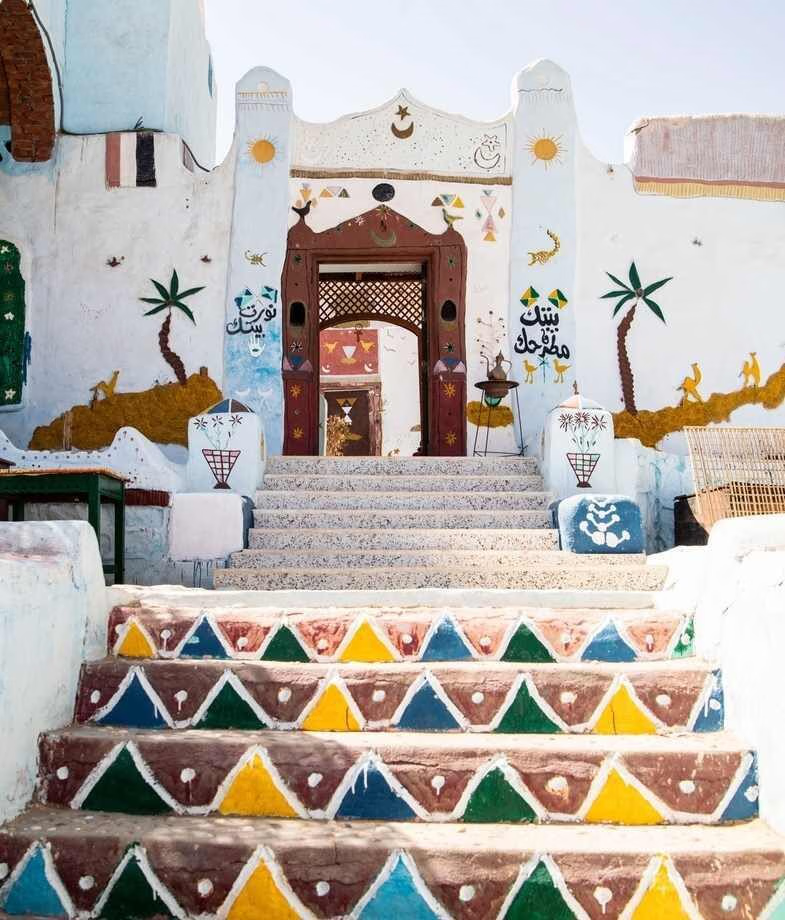
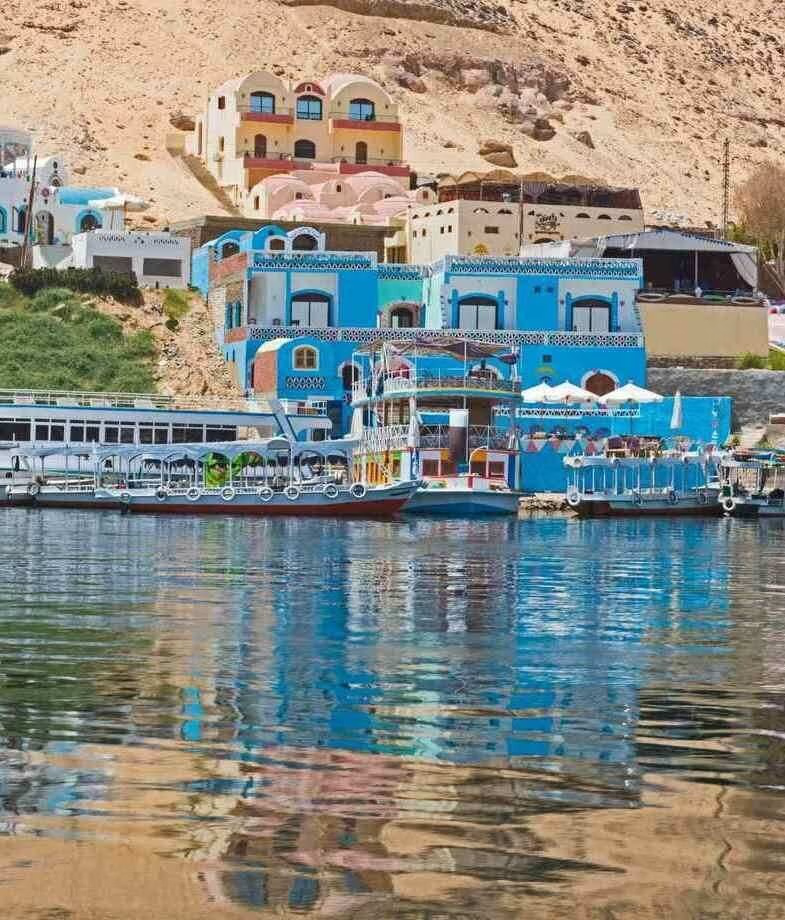
Southern Egypt is home to an indigenous group known as the Nubians, who descend from the ancient inhabitants of the Nubia region. Today they proudly keep their languages and traditions alive in small villages near the city of Aswan.
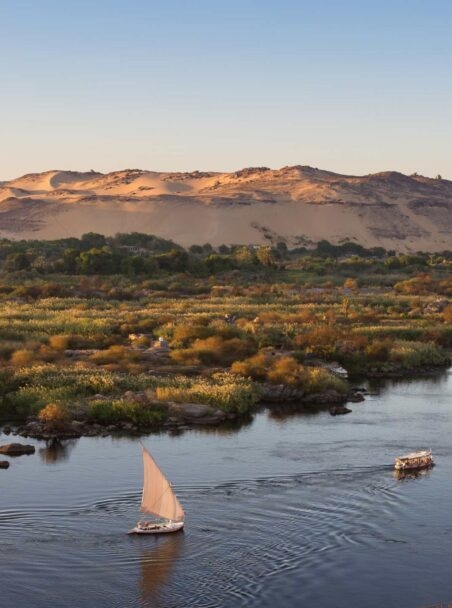
The Nubian villages are among the most interesting places to visit in Egypt, as they form an important – and often overlooked – part of the country’s identity. They’re also incredibly beautiful, with brightly painted houses and narrow streets adorned with murals. Meet with local artisans to learn about traditional crafts, tour spice shops and markets, and drift along the Nile on a felucca (traditional wooden sailing boat).
9. Spectacular snorkelling and diving
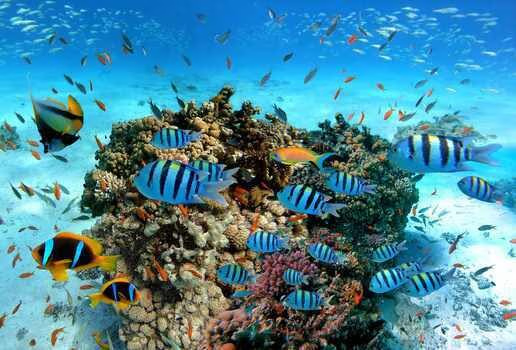
Egypt is a world-class destination for underwater adventures. The Red Sea is renowned for its vibrant coral reefs and incredibly clear waters, which are home to an array of captivating marine life.
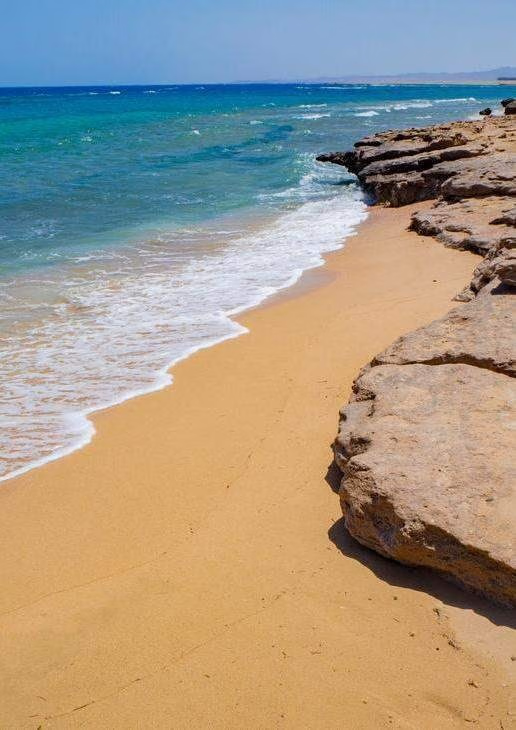
On a snorkelling trip here you could spot spinner dolphins, green sea turtles grazing on sea grass, multicoloured fish and even rare dugongs (sea cows). Meanwhile, experienced divers can explore historic shipwrecks and dramatic drop-offs like the Blue Hole in Dahab. Back on land, there are plenty of stunning white-sand beaches where you can unwind.

10. Year-round sunshine
Egypt is a wonderful place to visit in any season, boasting sunny skies and warm temperatures all year round. That said, the best time to visit Egypt is between October and April. The summer (July to August) can be intensely hot, making sightseeing activities uncomfortable. Although keep in mind that some monuments open as early as 6am, so you can visit before temperatures get too high.
For the Sahara, we recommend travelling in October to November or March to April. That way you avoid both the hot days of summer and the freezing nights of winter. Meanwhile, April to May and September to October offer ideal conditions for cruising along the Nile.
Egypt FAQs
Where is Egypt?
Egypt is in the northeast of Africa. It has coastlines on the Mediterranean Sea and the Red Sea. In the east of Egypt you’ll find the Sinai Peninsula, which is known as a ‘land bridge’ to Asia.
What language is spoken in Egypt?
The official language in Egypt is Arabic, with Egyptian Arabic specifically being the most widely spoken language in the country.
How many pyramids are in Egypt?
In addition to the world-famous Pyramids of Giza, there are at least 118 pyramids in Egypt, with more being uncovered with each archaeological expedition.
What is the capital of Egypt?
Cairo is the capital of Egypt. It is the economic and cultural hub of the country, as well as the location of the largest international airport in Egypt.
Ready to start planning?
Whatever you want from your next adventure in Egypt, our travel designers are ready to help.
More inspiration
Browse our travel guides for more inspiration when planning your trip to Egypt. One reveals our favourite places in the country to visit and the other discusses the best things to do while you’re there.