When is the Best Time to Visit the Mediterranean?
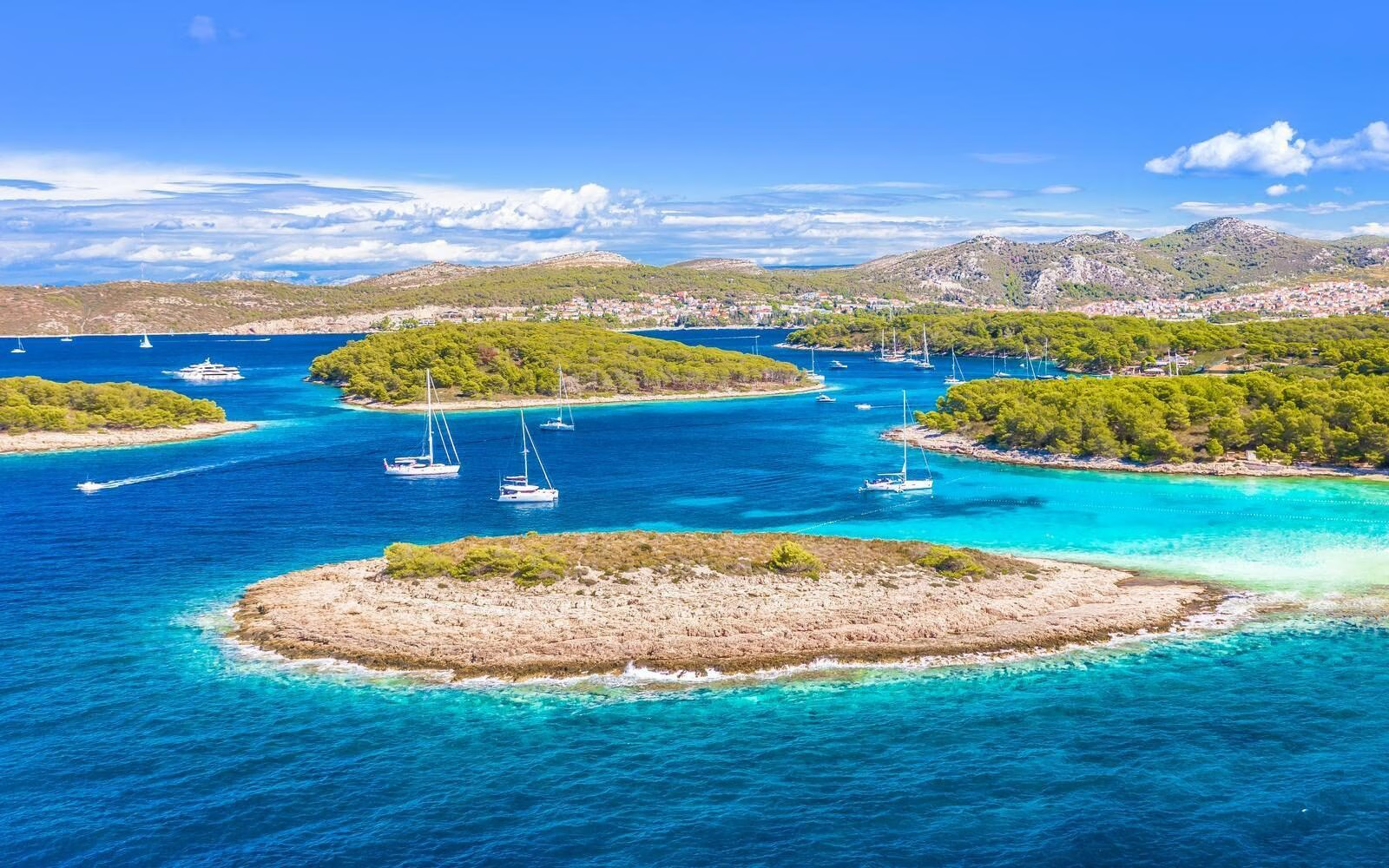
Learn the best time to visit Mediterranean destinations in Europe, including places like Spain, France, Italy and Greece. We’ve put together a monthly guide to help you choose the right moment to travel based on weather and seasonal highlights.

The Mediterranean is a region consisting of several countries that border the Mediterranean Sea. Although vastly diverse in terms of culture and history, the coastal areas of these countries share a similar climate. For the optimal combination of pleasant weather and smaller crowds, the best time to visit the Mediterranean is generally May to June or September to October.
That said, there are several factors to consider when planning a visit to the Mediterranean. The best time to travel can vary according to your exact destination, priorities and interests. It also depends on what activities you want to enjoy, whether that’s sunbathing in Spain, sightseeing in Italy, holiday festivities in France or island hopping in Greece or Croatia.

Month-by-month climate guide to the Mediterranean
We’ve put together a detailed guide to the weather in the Mediterranean, month by month. Although this region includes nearly two dozen countries across Europe, Africa and Asia, we’ve focused on our travel designers’ favourite Mediterranean destinations in Europe. Here’s their expert advice on the best places to go and what to do in each part of the year.
The Mediterranean in January
Best for mild island weather
January is usually the coldest month across the Mediterranean. This region is known for its relatively mild winters, but temperatures can still get chilly; both Athens and Dubrovnik have an average low of 7ºC (45ºF). Warmer winter destinations include Greek islands like Rhodes and Crete and the Spanish Costa del Sol, with average highs around 15–17ºC (59–63ºF).
The Mediterranean in February
Best for carnival celebrations
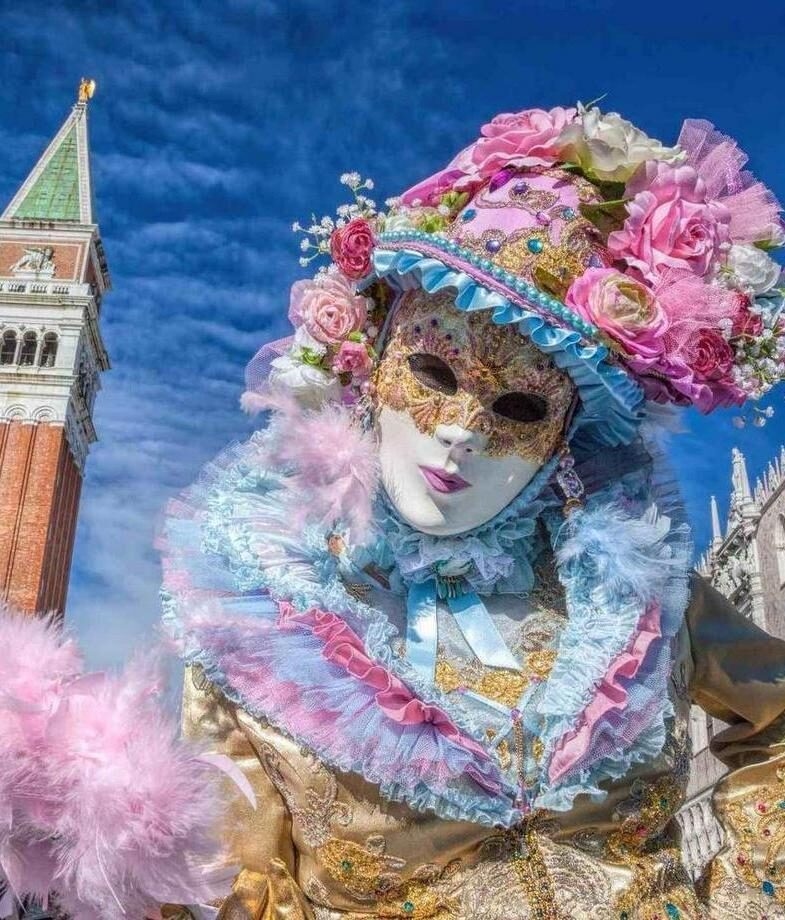
Temperatures may start to creep up slightly in February, but this is still the heart of winter in the Mediterranean. If you don’t mind the weather, it’s a good time for sightseeing at attractions like the Acropolis or the ancient ruins of Rome – just be sure to bring warm layers. Carnival often falls in February too, with some of the liveliest celebrations taking place in Venice and Nice.

The Mediterranean in March
Best for low-season exploration
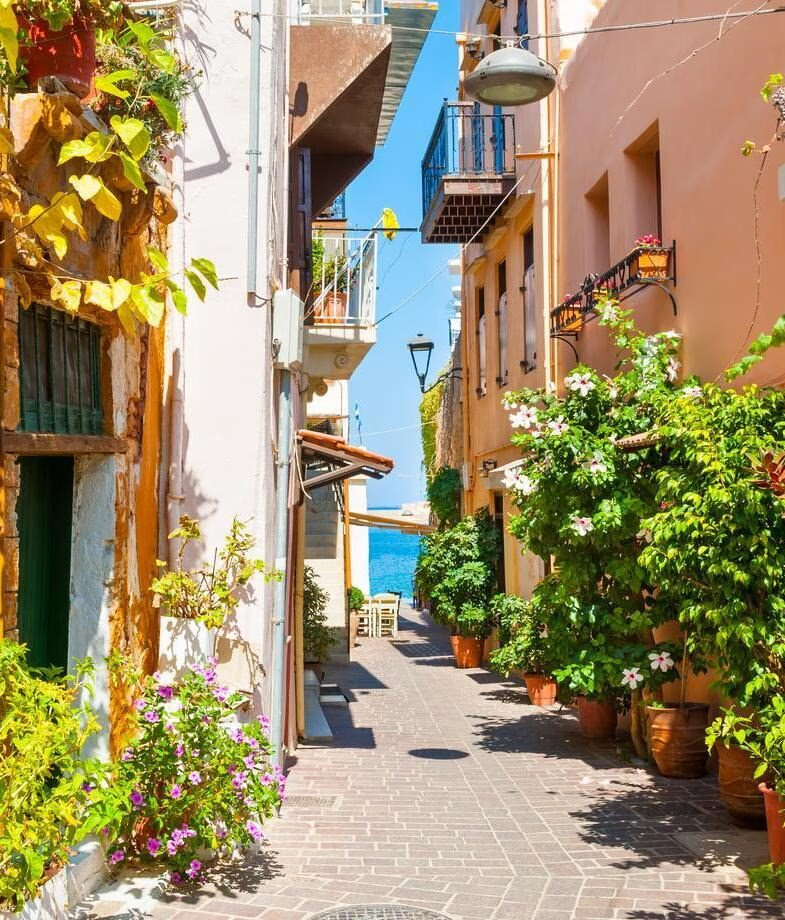
March is a transitional month in the Mediterranean, with winter weather gradually giving way to spring. Average highs rise to 20ºC (68ºF) in Alicante, 18ºC (64ºF) in Sicily and 16ºC (61ºF) in Santorini. It’s still the low season in terms of tourism and rain is a strong possibility, but this can be a good month to explore the region’s cities and cultural sites without too many other visitors.
The Mediterranean in April
Best for shoulder-season travel
April is part of the Mediterranean’s spring shoulder season. The weather starts to warm up, with highs around 19ºC (66ºF) in both Marseille and Barcelona. Coastal destinations like Mykonos and Mallorca start to come back to life, as many beach clubs reopen after a seasonal break. Easter often falls in April, bringing the captivating – though crowded – celebrations of Semana Santa to Andalusia.
Semana Santa in Andalusia
I highly recommend experiencing Semana Santa in southern Spain. These Holy Week celebrations are some of the most powerful cultural events in Europe, with processions filling the streets of Seville, Málaga and Córdoba. With the right planning, this festivity can be a truly significant addition to a trip through Andalusia.

The Mediterranean in May
Best for warm days and quiet coastlines
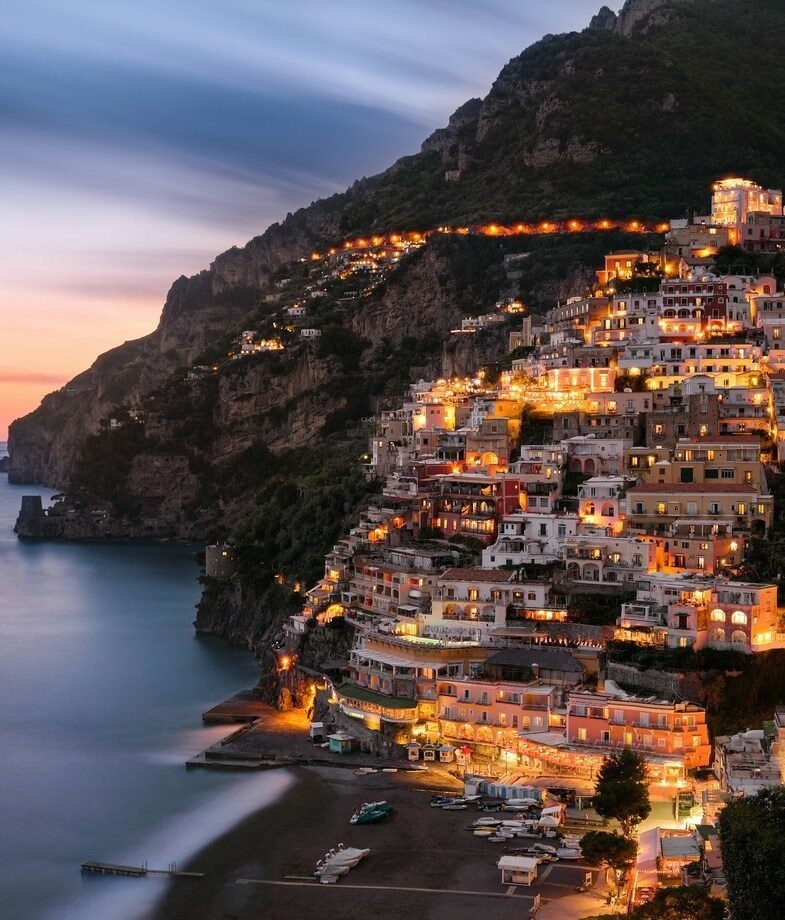
Spring is in full swing by May in the Mediterranean. This is one of the best times to visit renowned spots across the region before summer (June to August) arrives: places like the Amalfi Coast, Cinque Terre, the Balearic Islands and the coast of Croatia. Temperatures haven’t peaked yet – Ibiza sees average highs of 22ºC (72ºF) and Split reaches around 23ºC (73ºF). Rain is still possible across the region but generally less common than in the preceding months.
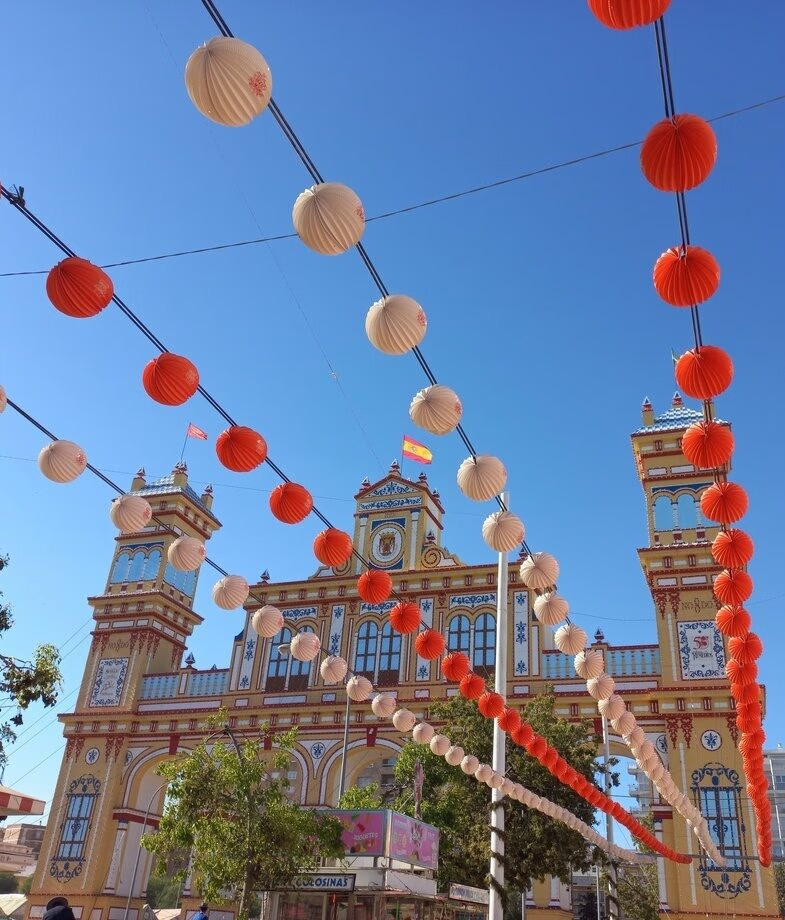
The Mediterranean in June
Best for balmy temperatures and low rainfall
The Mediterranean summer starts in June, but this month isn’t quite as popular as July and August in most destinations. This makes it the perfect time to enjoy all the benefits of summer – sunny beaches, balmy temperatures, low rainfall and long days – with a more tranquil atmosphere. Expect temperatures in the upper 20sºC (low 80sºF) in places like Valencia, Hvar and Sardinia.
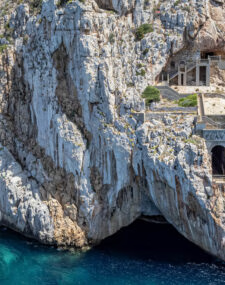
The Mediterranean in July
Best for seeing lavender in full bloom
July is the start of the peak season across most Mediterranean destinations, and one of the hottest months of the year. This makes it a great time for sunbathing and swimming in the sea, but prepare for busy beaches and cities. If you don’t mind the heat – often above 30ºC (86ºF) – this is the best time to visit France to see the lavender fields of Provence in full bloom.
The Mediterranean in August
Best for traditional festivals
The Mediterranean summer continues into August, with average highs in the low 30sºC (86–93ºF) in cities like Athens and Rome. Island destinations such as Mallorca and Capri also see the highest temperatures of the year and low rainfall – though the chance of showers is slightly higher than in July. One benefit of travelling in August is the chance to experience festivals like the Féria de Málaga and Italy’s Ferragosto.
Ready to start planning?
Speak with our travel experts to start planning your own incredible journey to the Mediterranean.

The Mediterranean in September
Best for relaxed beach days
Although September ushers in autumn, it still feels like summer across much of the Mediterranean. Both the air and the sea remain pleasantly warm, and the peak period season to ease as most people return to work and school. This is among the best times to visit the Amalfi Coast, the Greek islands, the Costa del Sol and the French Riviera, all of which have average highs around 26–28ºC (79–82ºF).
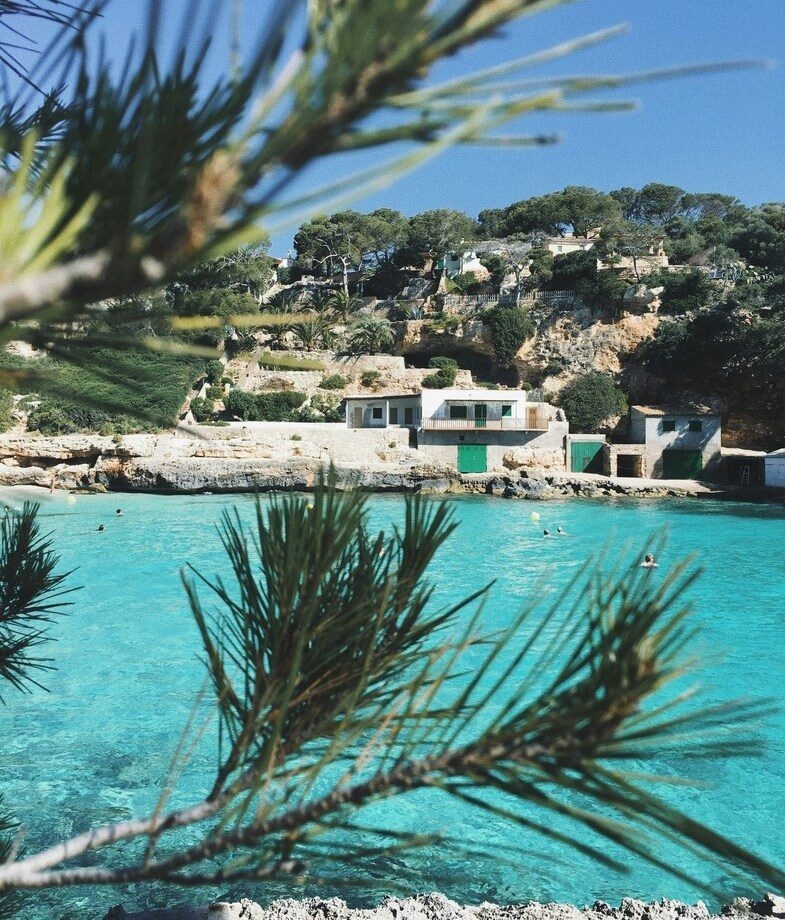
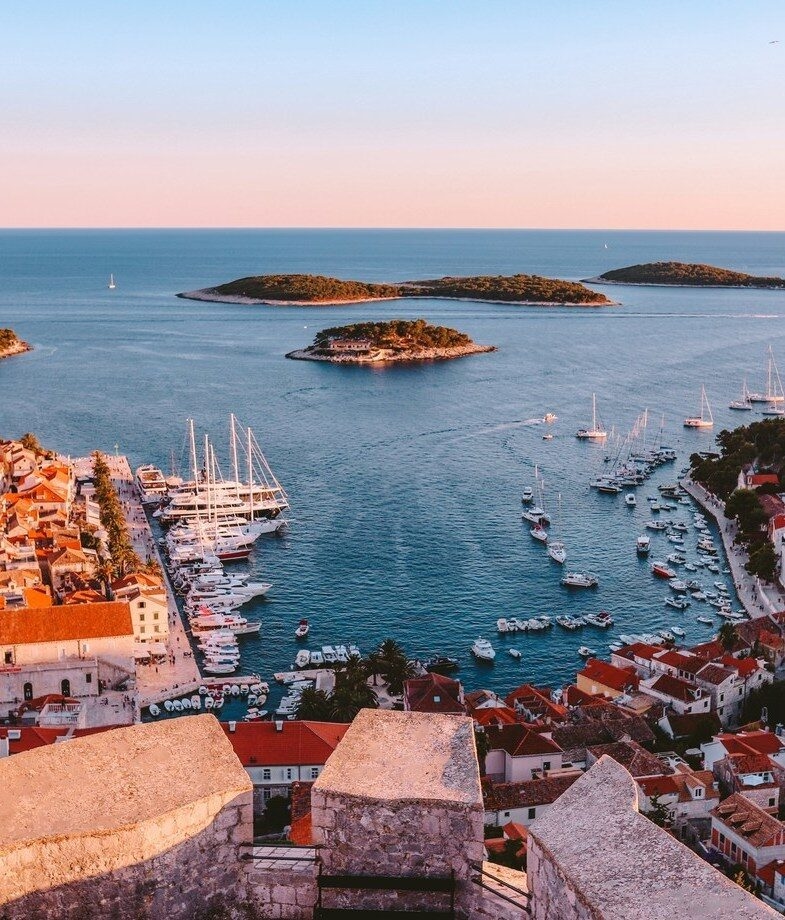
The Mediterranean in October
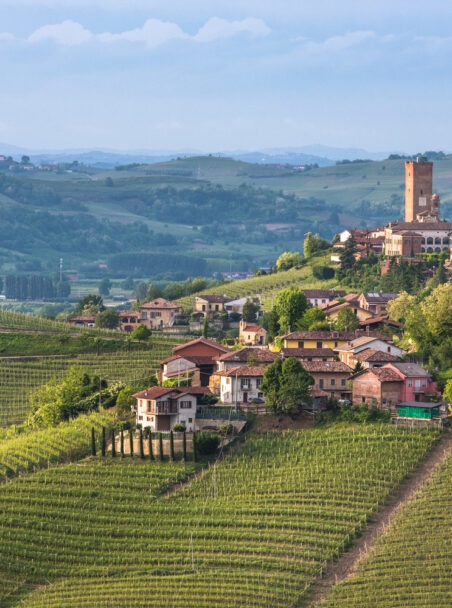
Best for wine tasting and harvest traditions
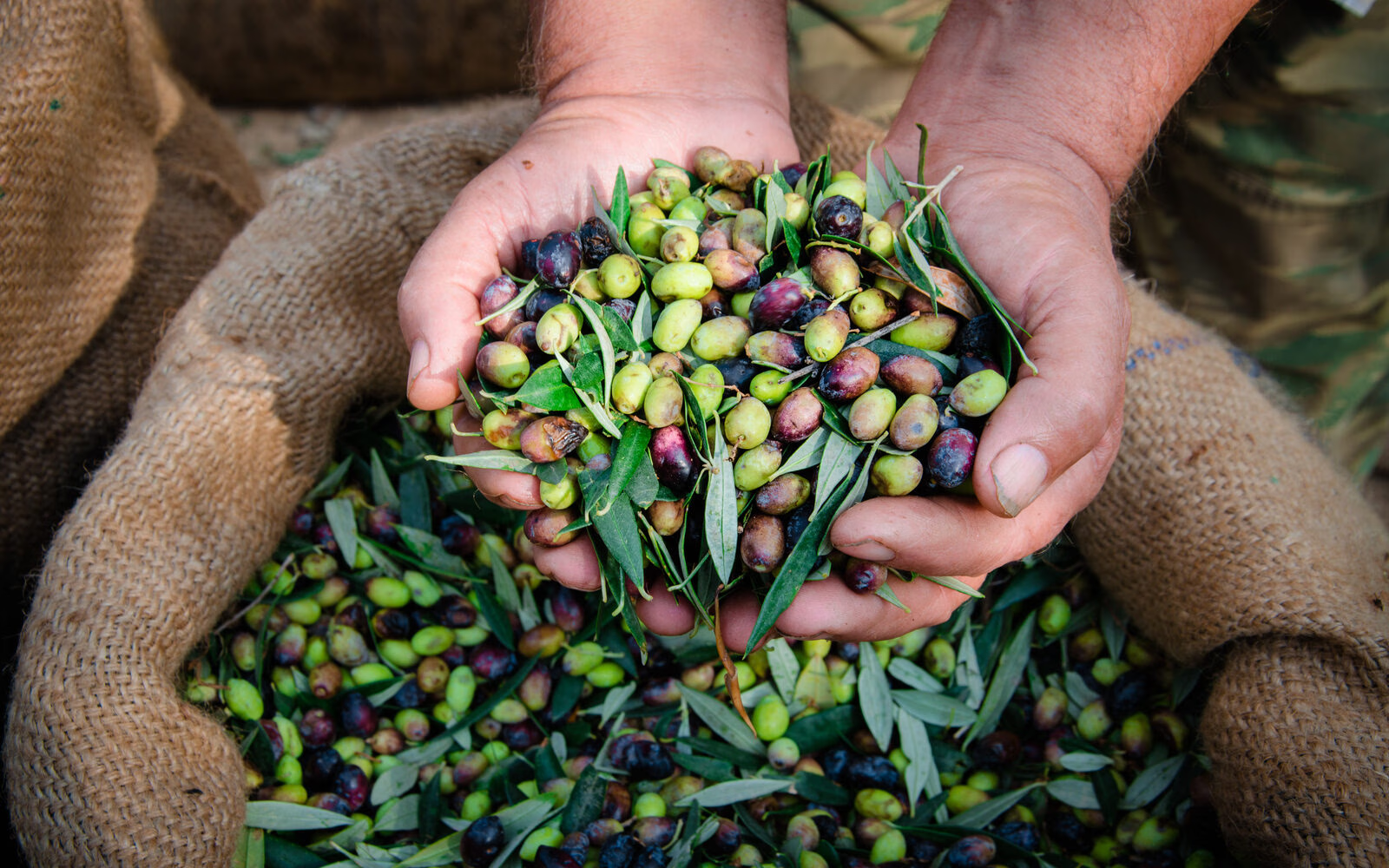
October is part of the autumn shoulder season in the Mediterranean. Temperatures are starting to drop, but it’s still warm enough for beach days and boat trips. This month also coincides with the end of the wine harvest and the beginning of the olive harvest in both Italy and Greece. It’s one of our favourite times to visit the Mediterranean for sightseeing, outdoor adventures and culinary experiences.
The Mediterranean in November
Best for exploring historic cities
November marks the beginning of the Mediterranean’s low season, as colder weather sets in and some coastal destinations shut down for the winter. If you’re interested in exploring cities and historical sites, this is a great time to travel. Enjoy cooler temperatures ideal for sightseeing; cities like Rome, Athens and Barcelona experience highs around 17–19ºC (63–66ºF).
The Mediterranean in December
Best for visiting Christmas markets
December may be one of the coldest months of the year, but it’s an undeniably magical time across the Mediterranean. Holiday lights and Christmas markets pop up in places like Zagreb and Seville, as well as the northern regions of Italy and France. In some of the region’s more southerly destinations, average daytime temperatures can be as high as 17ºC (63ºF).
The best time to visit the Mediterranean for smaller crowds
If you’re hoping to avoid large crowds, the best time to go to the Mediterranean is during one of the two shoulder seasons: April–May or September–October. The months in between are considered the high season, with crowds peaking in July and August. There are even fewer visitors in the low season (November–March), but the weather is chillier. We recommend late spring or early autumn for the best balance of sunny skies, mild temperatures and small crowds.
The best time to visit the Mediterranean for yacht trips
Mediterranean sailing excursions and private yacht charters are available between April and October, coinciding with the summer peak season and both shoulder seasons. July and August bring the warmest weather for swimming and sunbathing, but also busier waters. April–May and September–October are slightly cooler but less crowded. June is also a great time for a yacht trip in the Mediterranean, offering some of the benefits of both spring and summer.
Curated experiences in Greece and Italy
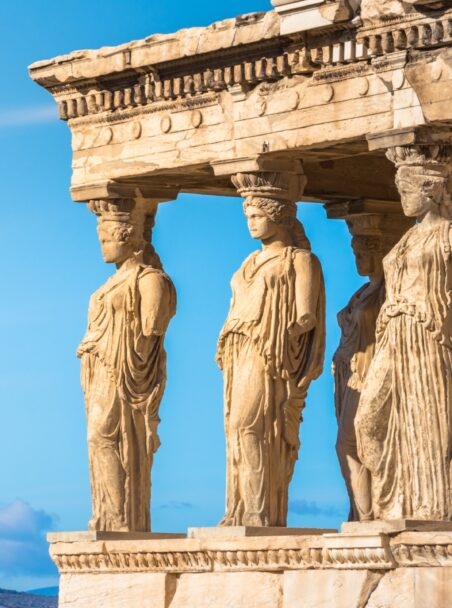
Choosing where to go in the Mediterranean is part of the excitement, and having the right inspiration can help you plan your journey. Here are two of our curated travel guides we’d like to share: one highlighting the best things to do in Greece and another exploring Italy’s most romantic honeymoon destinations.

More of the Mediterranean
Learn more about the Mediterranean through one of our hand-crafted journeys, travelling from Italy into the Balkans and exploring destinations such as Slovenia, Croatia and Montenegro. Along the way you might sail across Lake Bled in a traditional wooden pletna, hunt for truffles in Croatia, join a cooking class with a Florentine mamma or cycle the Luštica Peninsula.
Speak with us to start planning your Mediterranean adventure. We’ll help you explore ideas and match your chosen experiences with the best season to travel.
Ready to start planning?
Whatever you want from your trip to the Mediterranean, our team of expert travel designers are ready to help.
