Luxury Kilimanjaro Hiking
Tours made for you

Off the beaten path
Camp in secluded areas and hike lesser-travelled routes

Distinct climate zones
Trek from savannah to rainforest, moorland to ice-capped summit

Zanzibar
Add-on leisure time relaxing on a lush tropical island

Serengeti National Park
Extend your trip to see the Great Wildebeest Migration
A Kilimanjaro trek to the roof of Africa
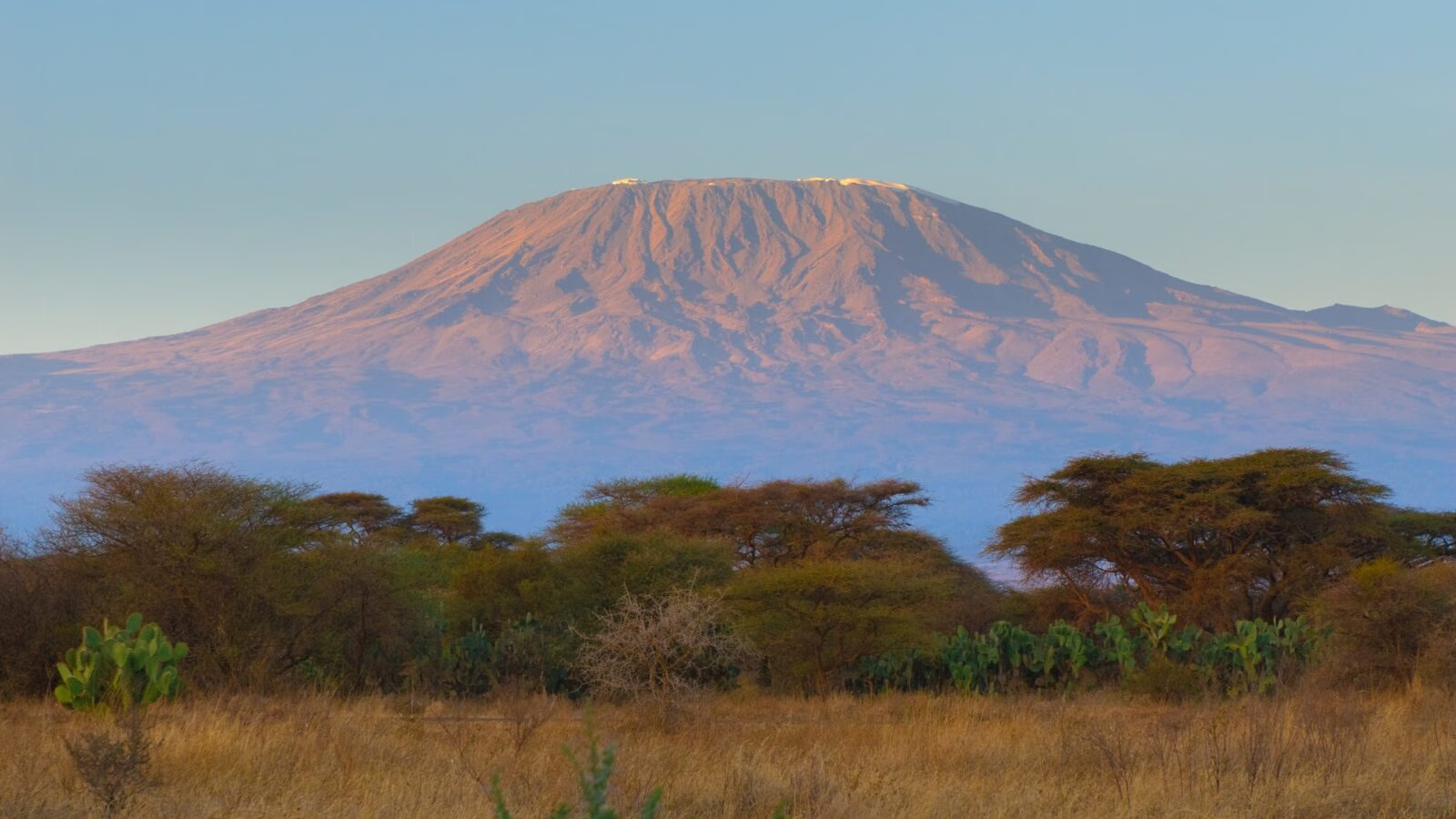
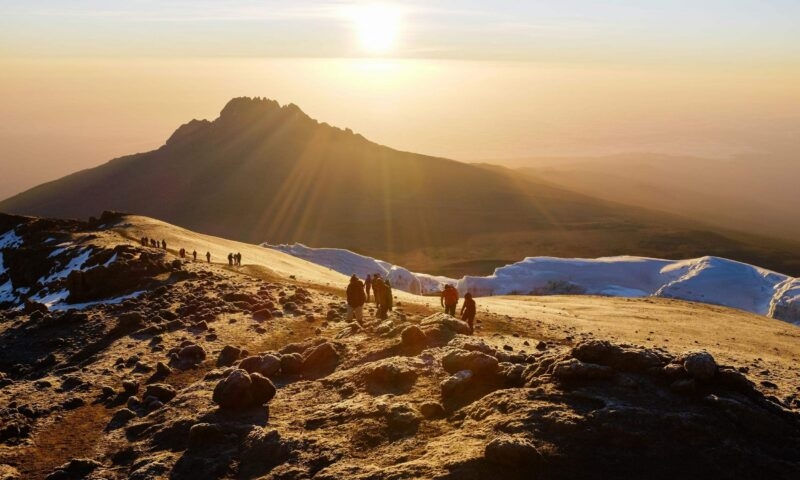
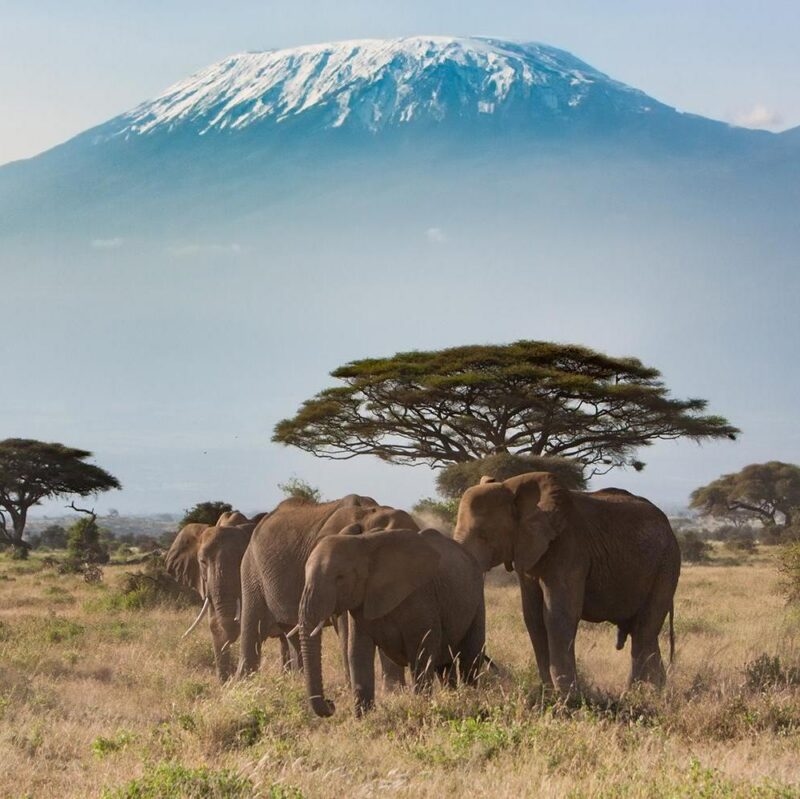
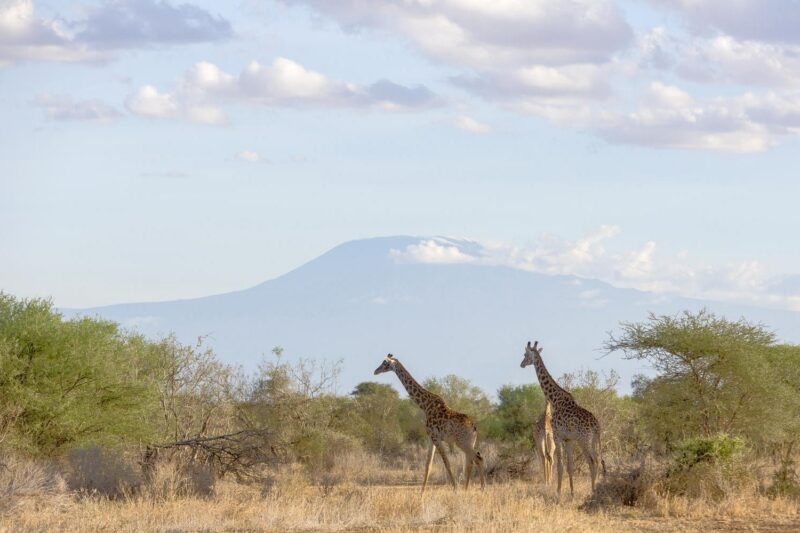
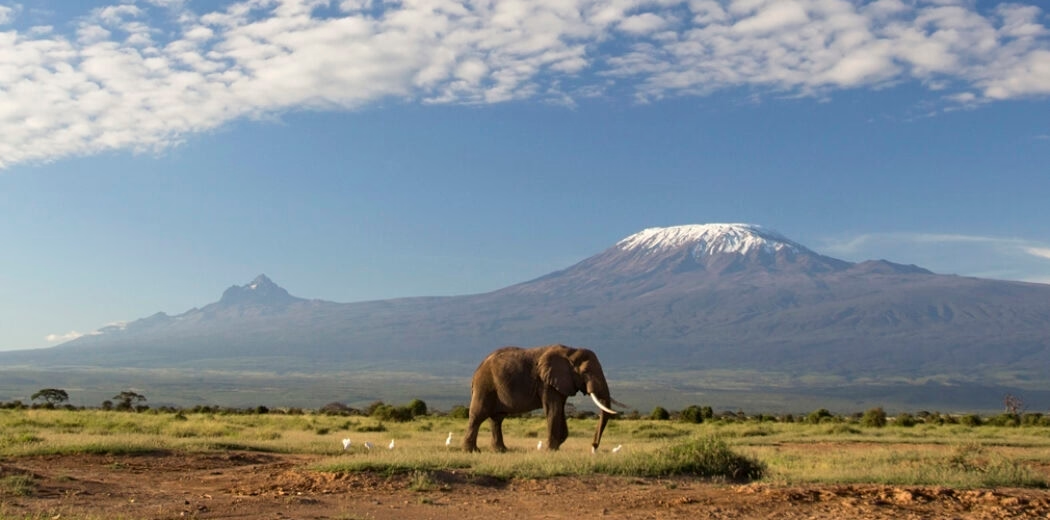
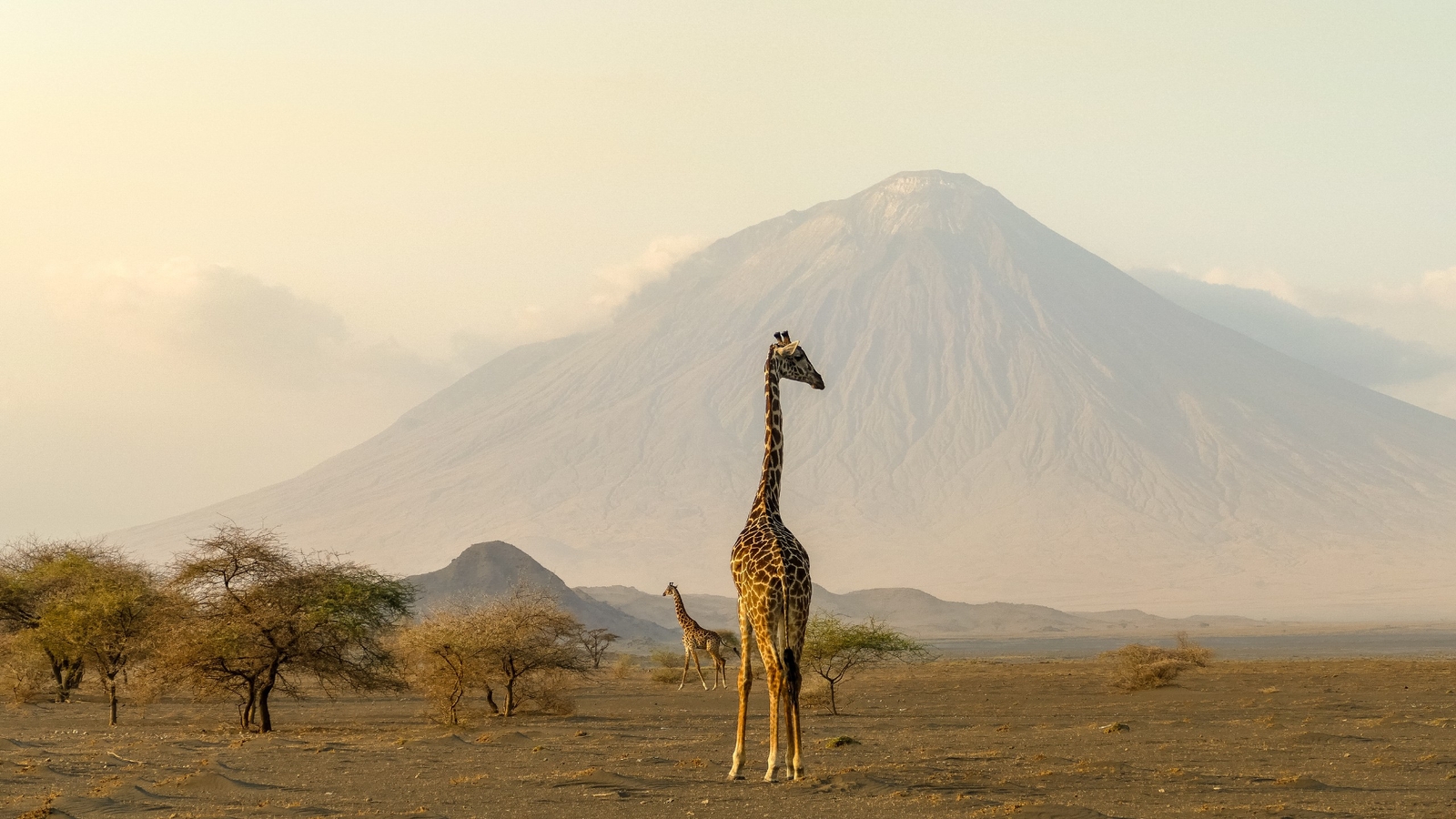
Kilimanjaro – the world’s highest free-standing mountain – stands as a solitary colossus that pierces the clouds above Tanzania’s golden savannah at 5,895 metres (19,340 feet). Its extraordinary character unfolds through distinct climate zones, from the arid savannah, through dense rainforest, heather and moorland, and rugged, rocky scrubland, to an icy summit.
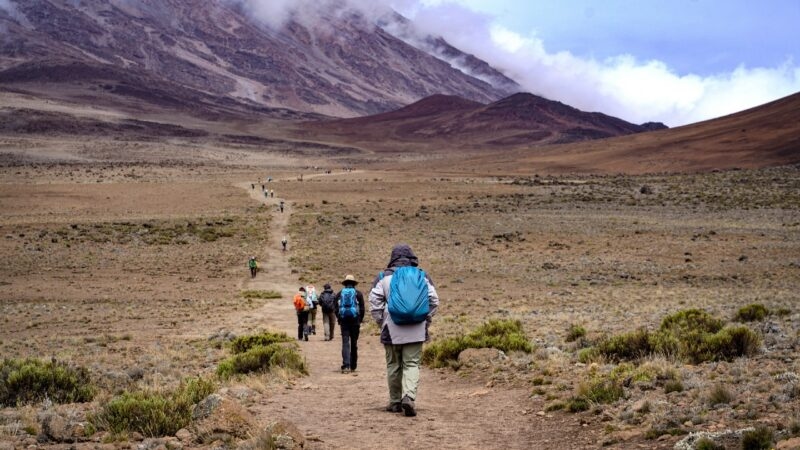
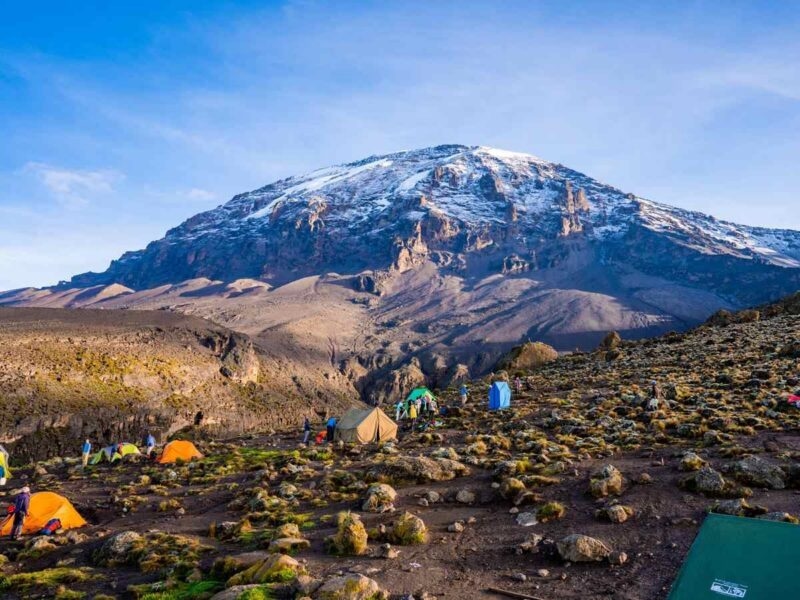
On your thoughtfully curated luxury Kilimanjaro hiking tour, you will camp at different points each night as you get closer to the summit. We recommend that experienced climbers can complete the ascent in six days, and may want to tackle the summit in the colder months to avoid any crowds. For beginners, we recommend routes to climb at a slower pace with camping in more secluded sites – the northern and western routes of Shira and Lemosho can take up to nine days. Whatever the route planned by our destination experts, you will have time to acclimatise to the altitude and your surroundings (you will always “walk high” and “sleep low”), and to appreciate the spectacular sweeping views and the challenge of the ascent that you’re undertaking.
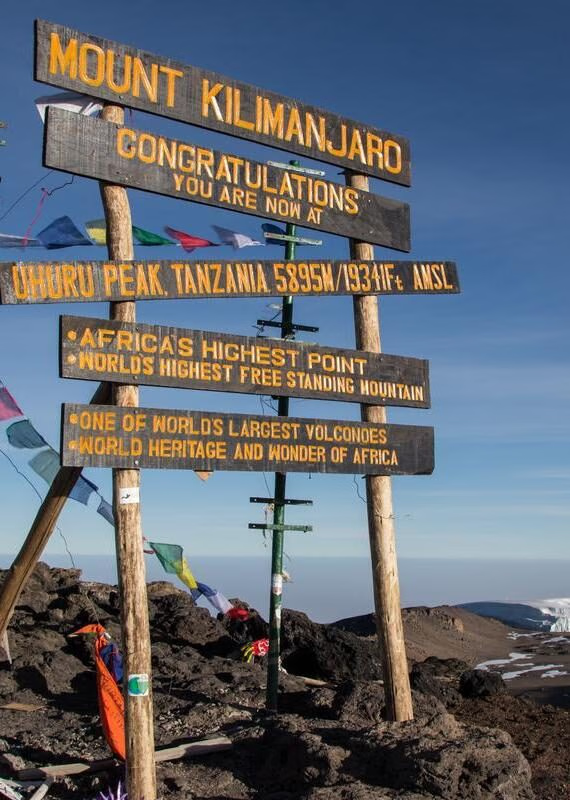
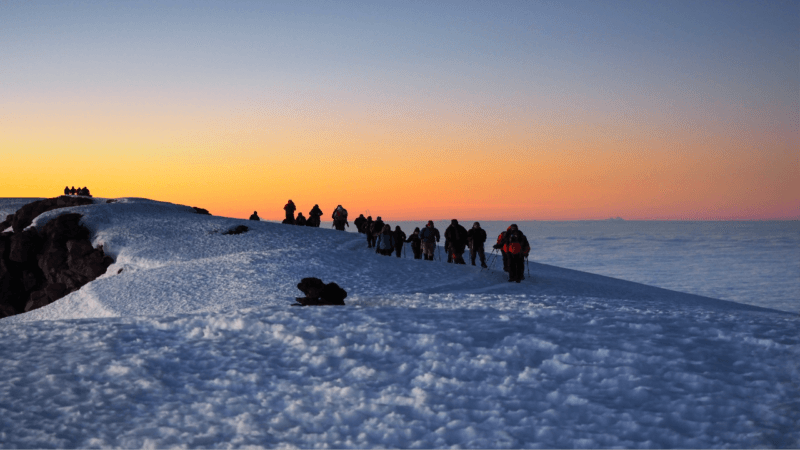
Our travel experts will plan you the perfect, positive impact Kilimanjaro hiking tour, and in the darkness before dawn on the penultimate day you will push to Uhuru Peak, Kilimanjaro’s highest point, for staggering views of Tanzania and the Maasai Steppe. You will have reached the roof of Africa.
Highlights
Sleep under the stars in large private tents for maximum comfort on the mountain
Climb with confidence in your professional mountain team and the industry-leading safety equipment they carry
Enjoy chef-prepared meals in your custom dining tent, cocooned from the elements
Hike quieter Kilimanjaro trails, stopping to camp in more secluded areas
Meet your expert team for a detailed pre-climb briefing and get excited about the adventure ahead
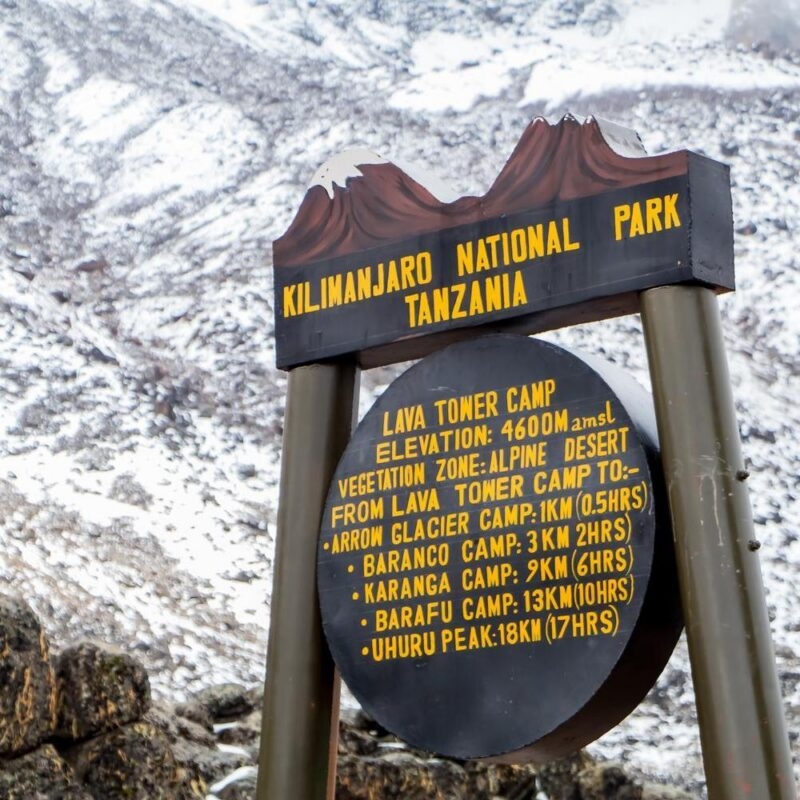
We care about the communities around Kilimanjaro and our expeditions are built on unwavering respect for the Chagga, Maasai and other local tribes. Our local porters, called “wagumu” in Swahili which roughly translates to “strong mountain warriors”, receive industry-leading wages and proper equipment.

Jess Thompson
Travel Designer
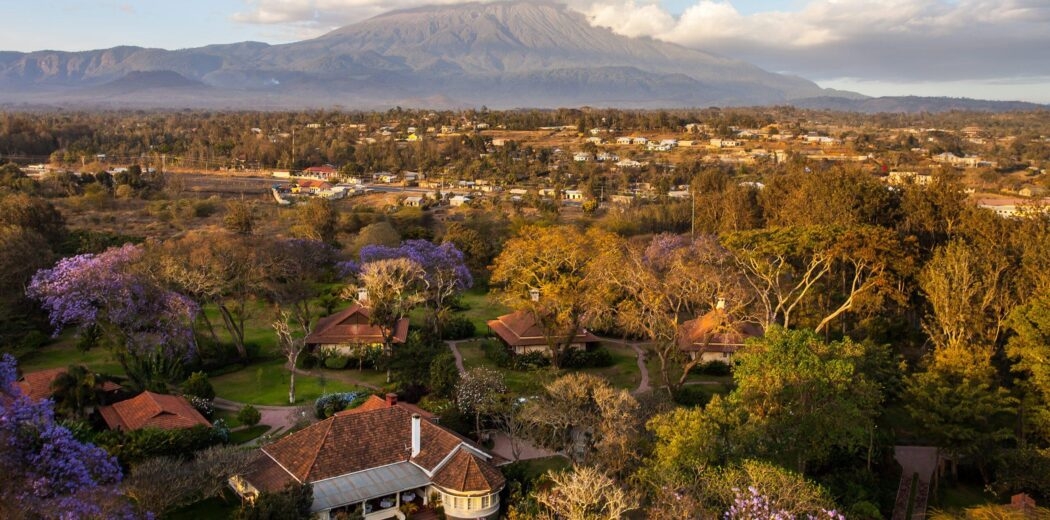
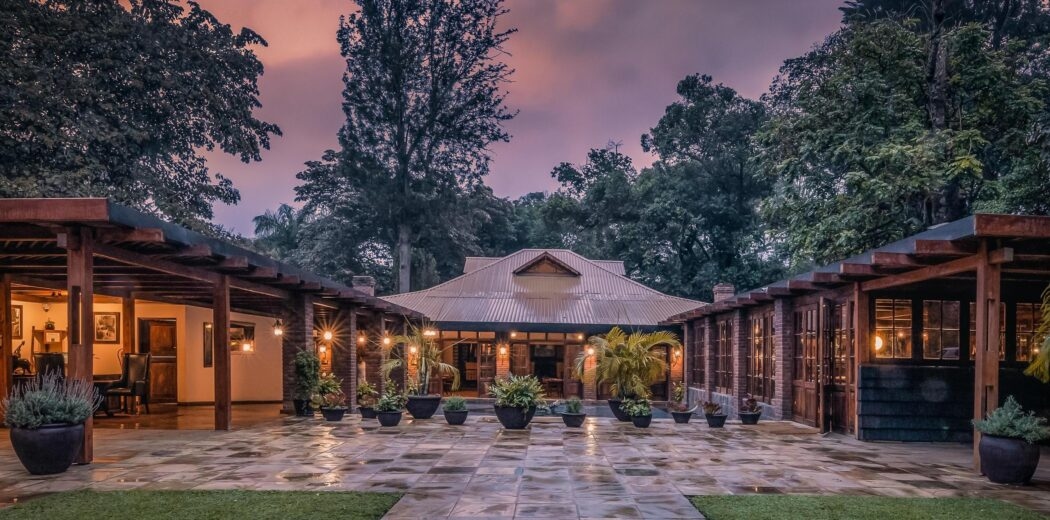
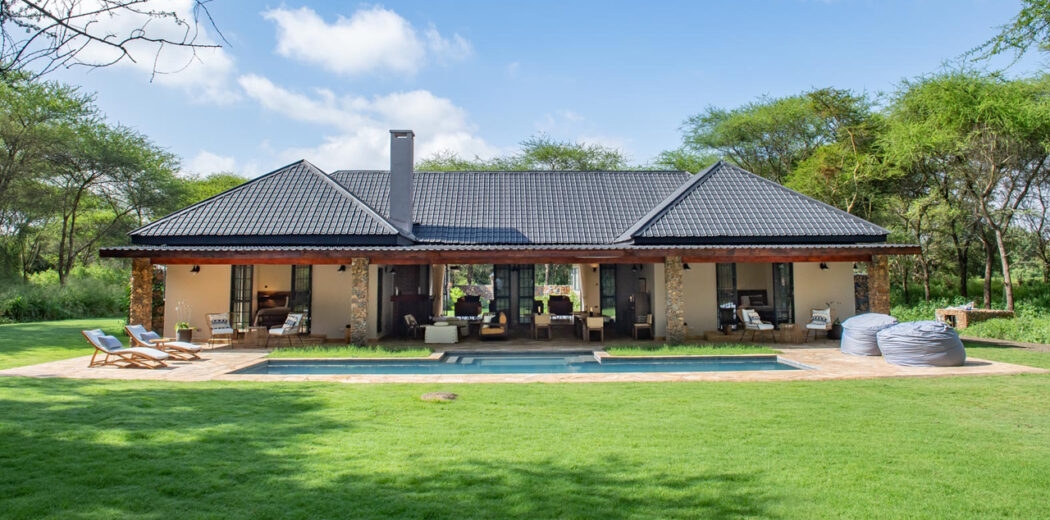
Luxury accommodation near Kilimanjaro
Why book with Jacada?
Personalised design
We’ll plan your trip around your specific interests, tastes and preferences, providing helpful tips and honest advice based on first-hand knowledge of the destination.

Authentic experiences
Our expert guides and brilliant travel concierges are hand-picked to provide a genuine experience, bringing your destination to life with care and passion.

Responsible travel
Our luxury trips are designed with responsible travel principles that prioritise travel experiences that are both good for you and good for the planet.
Trip inspiration
Get inspired with our Tanzania example trips and then get in touch to plan your own adventure


Places to combine with Kilimanjaro
Arusha
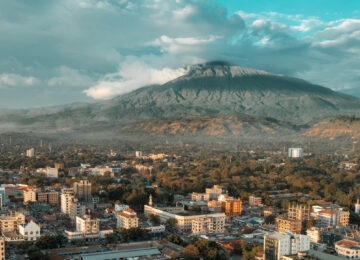
Arguably the Safari Capital of East Africa, Arusha is a bustling city in northern Tanzania and the main hub for those who are going to be embarking on a safari in this extensively game rich country.
Discover more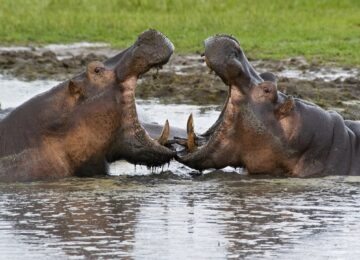
Katavi National Park
For safari experts, the isolated Katavi National Park comes highly recommended. With a combination of grassland plains, marshland, rugged hills, woodland, lakes and rivers, this multifaceted region of Tanzania is home to a dense and varied wildlife quotient - including predators.
Discover more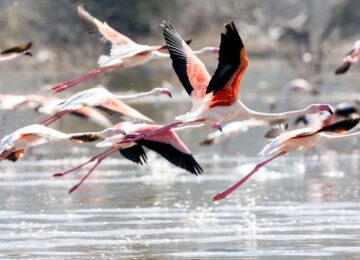
Lake Manyara
Lake Manyara has an abundance of animal species ranging from baboons, blue monkeys and bushbuck in its evergreen forests, buffalo, wildebeest, giraffe and zebra on its flood plains. Its acacia woodland is popular amongst its leopards and tree-climbing lions. One of the main draws to the park is its variation of birdlife.
Discover more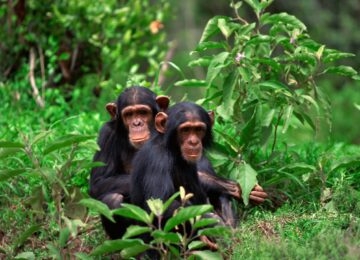
Mahale Mountains
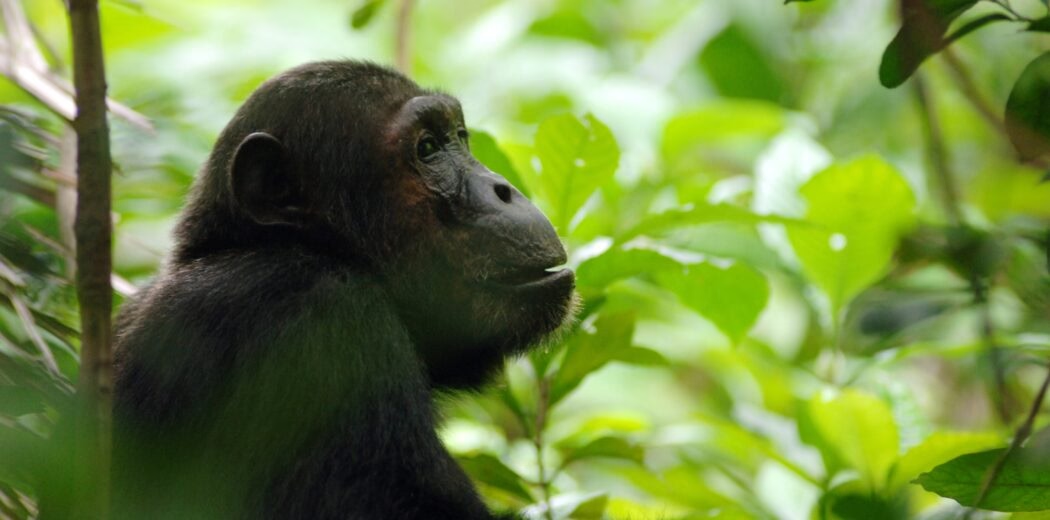
Sitting right by the longest freshwater lake in the world, Mahale Mountains is the best place to visit for spotting chimpanzees in Tanzania. The region also offers plenty of opportunities to spot birds and aquatic life of all kinds.
Discover more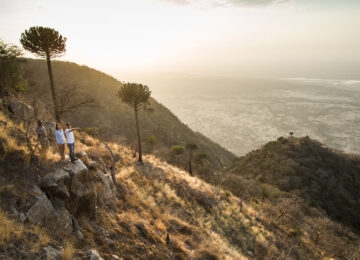
Mwiba Wildlife Reserve
Marking the southernmost point of the wildebeest’s migration loop, Mwiba Wildlife Reserve is where the herds spread out across the wider region to calve between January and March. There is only one permanent camp option so you’re guaranteed unbeatable privacy and exclusivity. There is also the possibility of setting off on night drives.
Discover more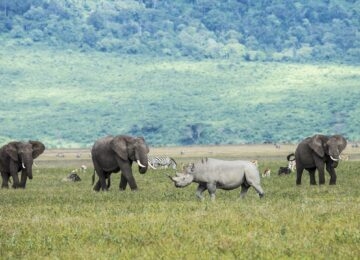
Ngorongoro Crater
Extending almost 20 kilometres in diameter, the Ngorongoro Crater is the largest intact volcanic caldera in the world. Outdoor expeditions bring you close to some of Africa’s iconic Big Five. It is also arguably one of the best places to visit in Tanzania for birdwatching.
Discover more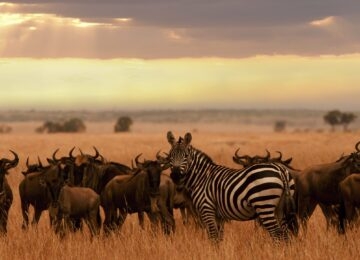
North Serengeti
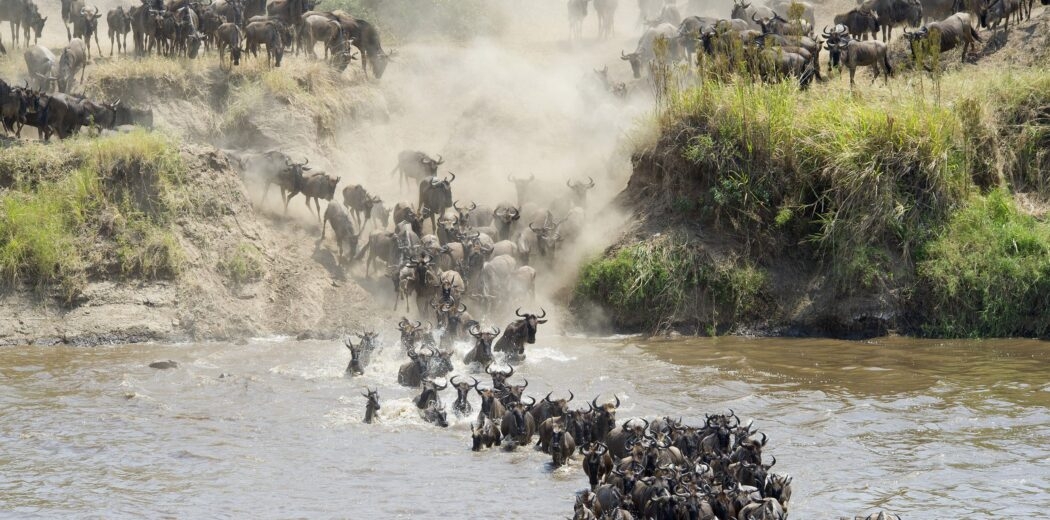
The North Serengeti forms the border with the equally famous Maasai Mara of Kenya. This is the region where the herds are at their most concentrated during the migration, and it’s where you’ll see the infamous river crossings.
Discover more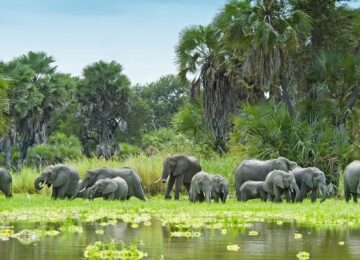
Nyerere National Park
Selous Game Reserve is the largest game reserve in all eastern Africa. It is also a UNESCO World Heritage Site. The region remains relatively untouched by humans but expect to see a huge concentration of elephants (almost half of all of Tanzania’s). With the mighty Rufiji River flowing through the reserve, visitors can also spot crocodiles and hippos.
Discover more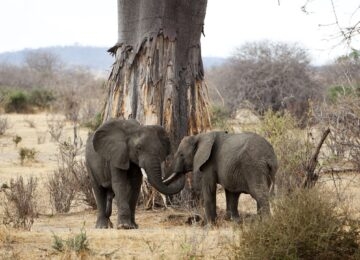
Ruaha National Park
Ruaha National Park is the largest national park in Tanzania and East Africa. This pristine area has the same wildlife density and diversity of the Kruger, but with only around 1% of the visitors, so privacy is a given.
Discover more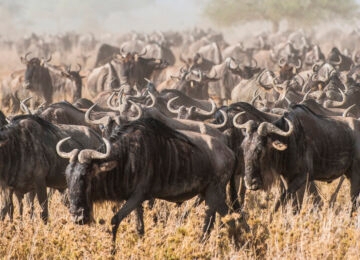
Serengeti National Park
The Serengeti National Park is one of the world’s most famous national parks. It is host to Africa’s Great Migration where huge herds of wildebeest, zebra and antelope travel around before making their way into Kenya’s iconic Maasai Mara.
Discover more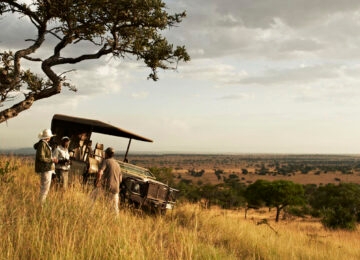
Singita Grumeti
Singita Grumeti is Tanzania’s largest private reserve. The reserve is exclusive to Singita properties, which means privacy is a given. The region offers unrivalled game viewing experiences, and especially during the Great Wildebeest Migration between the months of June and July.
Discover more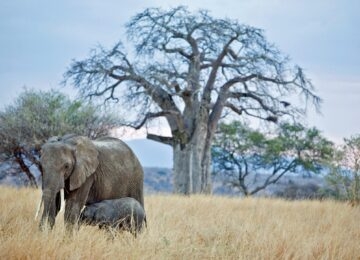
Tarangire National Park
Tarangire National Park is home to huge herds of elephants. There are also over 550 bird species including the Yellow-collared Lovebirds and the world’s heaviest flying bird, the Kori Bustard. Depending on the time of the year, you can also see the migratory wildebeest.
Discover more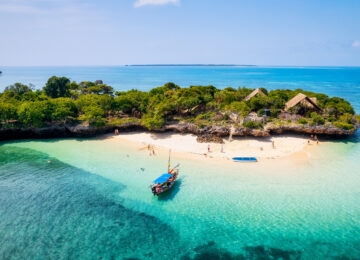
Zanzibar
The African island of Zanzibar, paired with its Arabian history, makes for an excellent safari add-on. With intriguing architecture evident in the main town, Stone Town, you will be able to experience a mix of culture and landscape with pristine beaches and crystal clear waters.
Discover moreWhen to visit Kilimanjaro for hiking
The optimal climbing season for Mount Kilimanjaro is July to October, when it is generally dry and clear. During this period, climbers should still be prepared for very cold temperatures that frequently drop below freezing, with snow regularly blanketing the higher elevation routes. January to March offers slightly milder temperatures and more stable conditions compared to the peak season.
Climbers tend to steer clear of April, May and November, as these months bring the heaviest rainfall and create the most challenging conditions – though experienced climbers might choose to tackle Kilimanjaro between March and July, as the snow and ice means fewer crowds.
Dry seasons
Jan–March, July–October
Wildebeest migration river crossings
July–October
Experienced climbers
March–July


Plan your trip to Kilimanjaro
Whatever you want from your Kilimanjaro trek, our team of expert travel designers are ready to help.
Your trip, your story
We craft trips deeply personal, delightfully surprising and entirely one of a kind. Every Jacada journey begins in conversation with a travel designer, a specialist in their destination of expertise. Behind each journey is a wealth of insight, gathered over years of on-the-ground exploration.
Once you’re booked, you’ll meet your concierge. Based in the region you’re visiting, they’ll take care of all the details so your mind is at rest. They make the trip truly special – and truly yours.
