When is the Best Time to Visit Vietnam?

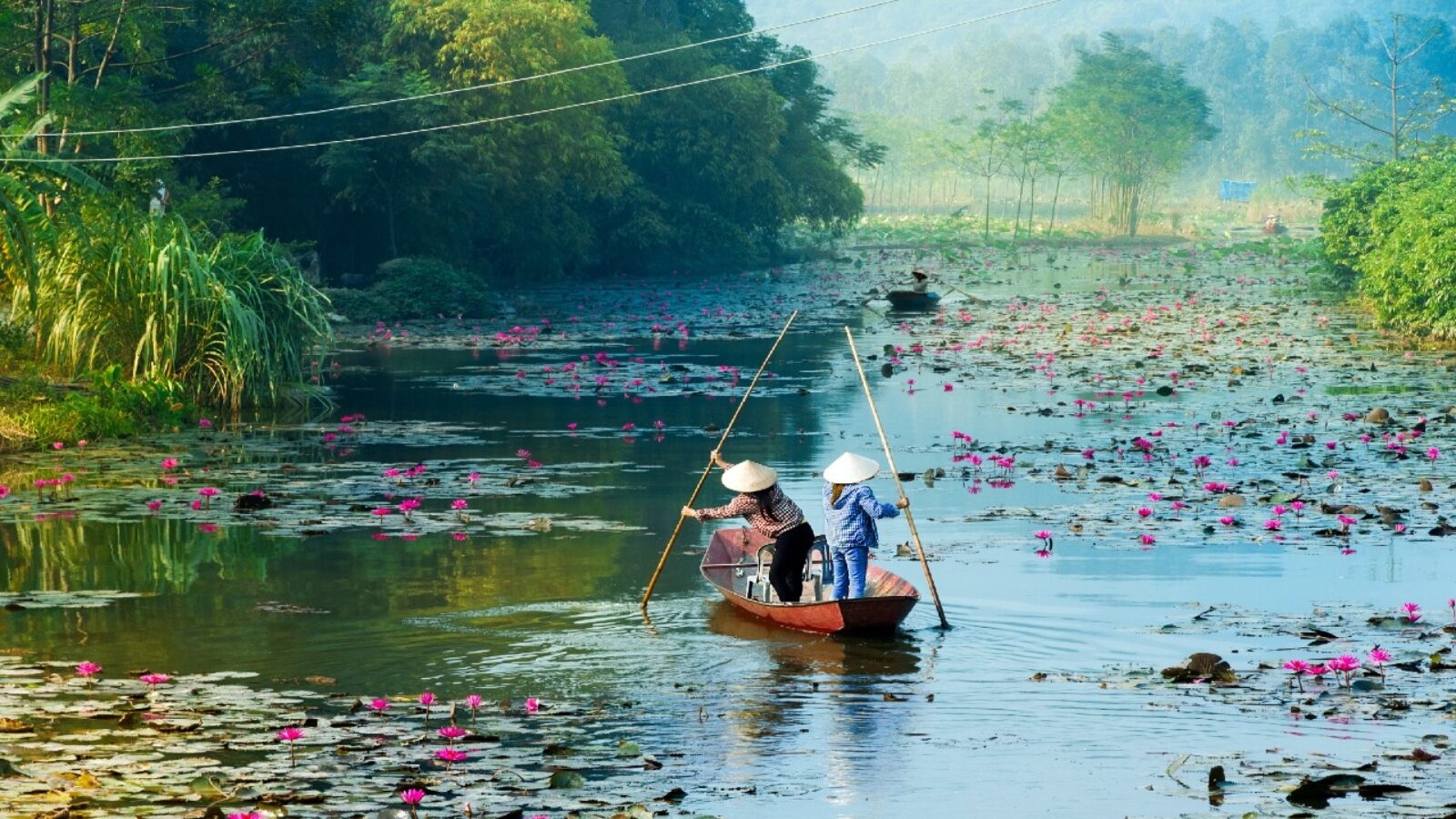

The best time to go to Vietnam is the spring, from March to April, or the autumn, from September to November, when the weather is mostly dry and pleasant. Due to Vietnam’s long, thin shape, diverse landscapes and a coastline that stretches its entire length, the regional weather variations are distinctive.
In the north of Vietnam, including Hanoi, September to November and February to April offer clear skies and low humidity. Meanwhile, southern areas, including Ho Chi Minh City and the Mekong River, visit from December to April for minimal rainfall and pleasant temperatures. For central Vietnam, travel from February to August for dry, sunny weather.
Vietnam month–by–month guide
January in Vietnam
January is considered to be one of the best months to visit Vietnam due to festivals such as Lunar New Year, although parts of the country can be slightly chilly. In Hanoi and the north of the country, it is one of the driest months of the year and average daytime temperatures sit at 18°C (64°F). In the south of Vietnam, temperatures are warmer, reaching around 26°C (79°F).

February in Vietnam
Lunar New Year can also fall in February, making it another popular month to travel to Vietnam. The weather during February is cool and dry in the north, perfect for hiking in Sapa, with temperatures ranging from 14°C–23°C (57°F–73°F). In the south it’s a great time to visit the beach, with dry, warm days ranging from 23°C–33°C (73°F–89°F).
March in Vietnam
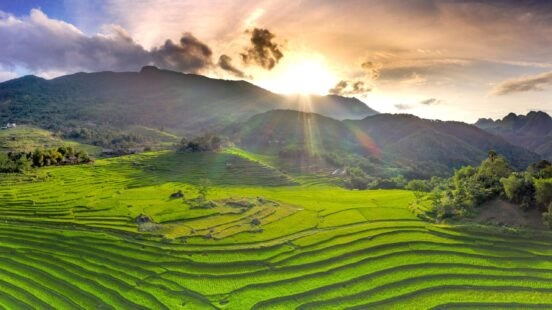
The weather in March makes it one of the best times of year to visit Vietnam, as the days are warm and sunny and humidity and rainfall are lower than during other months, although some scattered showers may still occur. Expect temperatures of 15°C–23°C (59°F–73°F) in northern regions such as Hanoi, Sapa and Ninh Binh.

April in Vietnam
April is another great month to visit Vietnam as it marks the start of the shoulder season for travellers – short rain showers may occur during the afternoons, but the weather remains largely pleasant. Average daily temperatures range from 23°C–28°C (59°F–82°F) in the central beach regions of Hoi An and Danang, which enjoy clear, blue skies.
May in Vietnam
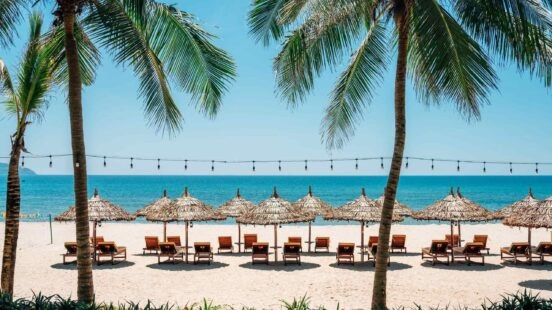
May marks the start of the wet season in Vietnam, although the country’s long, narrow shape means that the climate can vary greatly from north to south. The centre and south of the country are hot and humid. Average temperatures range from 28°C–35°C (82°F–95°F), but can reach as high as 40°C (104°F) in the south, which also experiences rain showers.
June in Vietnam
June is the start of the hot, humid summer in Vietnam, although the wet weather varies greatly. The central and northern highlands experience heavy rainfall, while in the south, short, heavy showers can lead to flooding in the Mekong delta. We advise sticking to the central coast during summer, where the climate is drier and temperatures range from 28°C–34°C (82°F –93°F).

July in Vietnam
July is in the middle of Vietnam’s rainy season. The climate is generally warm and rainy, with frequent thunder and rainstorms in the north of the country. The south will experience frequent heavy rain with daily downpours in cities such as Ho Chi Minh. Central Vietnam stays largely dry and sunny, with temperatures in Hue expected to be around 31°C (88°F).
August in Vietnam
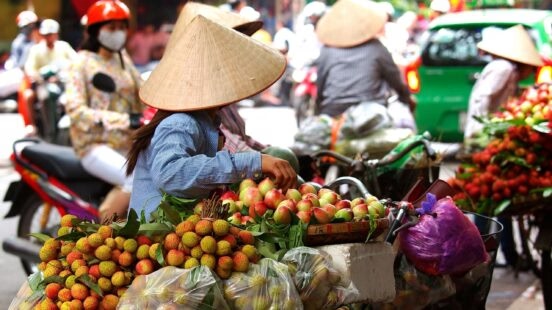
The weather in central Vietnam remains hot and mainly dry through August. It’s a great time to visit the beaches along the central coast, although rain begins to increase towards the end of the month. The wet season is still in full swing in the north and south of the country, and short, sharp showers occur almost daily.

September in Vietnam
September forms part of the shoulder season in Vietnam. The monsoon season begins in the centre, while the rains in the north and south of the country begin to abate. The weather becomes cooler and drier as the month continues – typical temperatures range from 24°C–31°C (75°F–88°F), ideal for outdoor exploration and hiking.
October in Vietnam
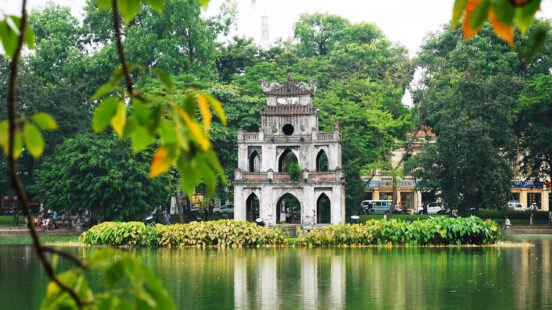
October marks the transition from rainy to dry season in Vietnam. Along with reduced rainfall, the humidity also decreases and temperatures become cooler and more pleasant. Average temperatures are between 20°C–30°C (68°F–86°F), perfect for sailing around the islands at Halong Bay, exploring Hanoi, or enjoying the harvest festival which frequently falls during October.

November in Vietnam
November is a great month to explore the north of Vietnam, which experiences warm daytime temperatures in the low 20s and is generally dry, ideal for trekking around the Northern Highlands. The south is also hot and dry, great for exploring Ho Chi Minh City, however for central Vietnam, this is one of the rainiest months and best avoided.
December in Vietnam
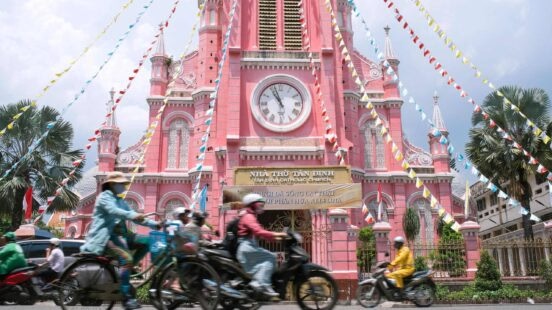
The weather in December is mostly dry and pleasantly warm, making it a great time to visit Vietnam, especially for those wanting to experience the festivities in the run up to the Lunar New Year. Expect temperatures between 15°C–22°C (59°F–72°F) across much of the country, paired with low humidity, although it’s still the wet season in the centre of the country.
The Best Time to Visit Vietnam for Festivals
The Lunar New Year is the most important festival in the Vietnamese calendar and as such is a very popular time for both local and international travellers to explore the country. We recommend visiting Vietnam at other times of year to take advantage of the country’s quieter periods.
There are plenty of other festivals taking place throughout the year, including the biennial Hue Festival which takes place in April or May, the Danang Fireworks Festival which happens in June or July, and the Mid–Autumn Festival which celebrates the harvest in late September or early October.
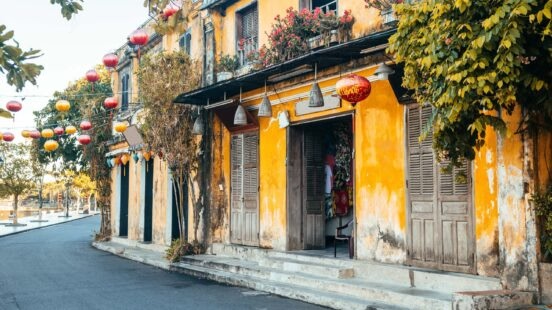
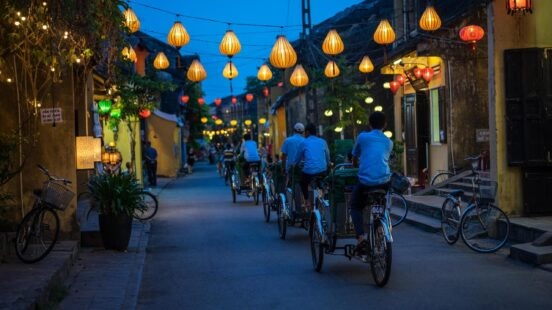
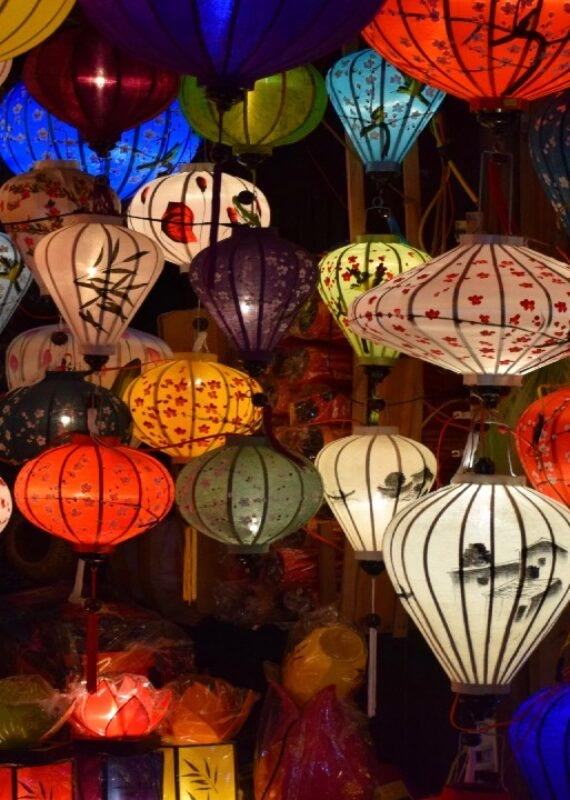
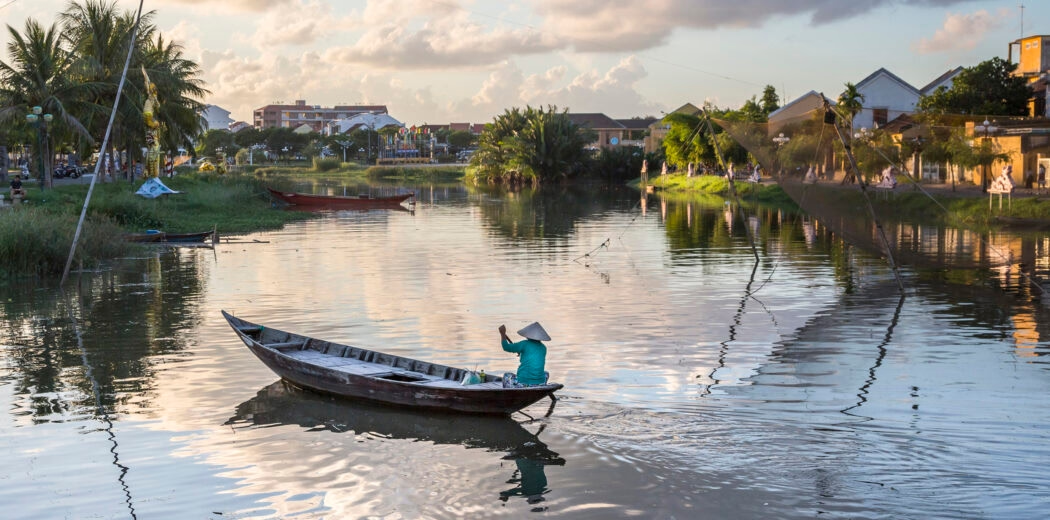
The Hoi An lantern festival takes place every month to coincide with the full moon. The town is lit up with colourful lanterns – take a boat ride down the Thu Bon river to admire their reflection in the water.
When is the rainy season in Vietnam?
The rainy season in Vietnam generally lasts from May to October in the north and south of the country, typically falling during short afternoon showers. However, in central Vietnam, the wet season runs from September to December, and the coastal areas of this region such as Hoi An can even experience typhoons during this time.
Whatever you want from your trip to Vietnam, our team of expert travel designers are ready to help.
Trip inspiration

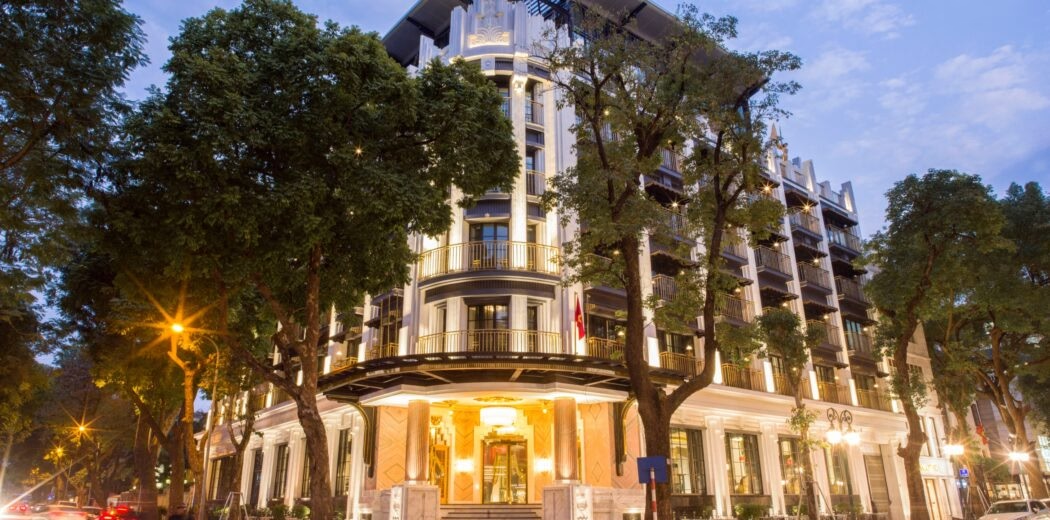
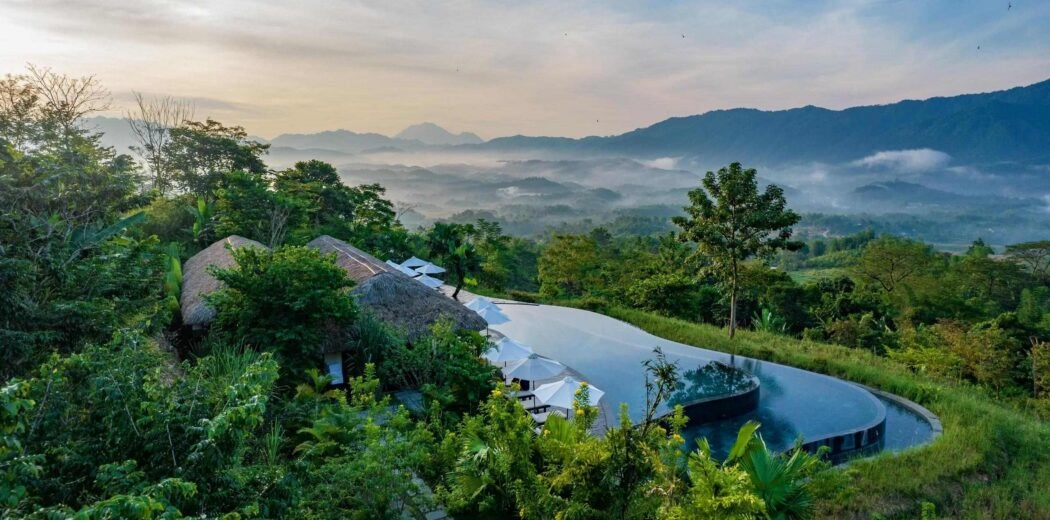
Luxury accommodation in Vietnam





Vietnam FAQs
For first time visitors to Vietnam, an itinerary that encompasses the natural beauty and culture of the country will provide a good introduction to this diverse destination. Our Complete Vietnam tour takes you on an unforgettable trip from the streets of Hanoi to the breathtaking Lan Ha Bay and the paradisical Na Lang Beach.
When traveling to Vietnam, most international visitors typically arrive at one of these two major airports:
-
Tan Son Nhat International Airport (SGN) in Ho Chi Minh City:
- This is the busiest airport in Vietnam, serving the southern part of the country. It’s a key entry point for those planning to explore Ho Chi Minh City and the Mekong Delta.
-
Noi Bai International Airport (HAN) in Hanoi:
- This airport serves the capital city of Hanoi and is the primary gateway to northern Vietnam, including Ha Long Bay.
Additionally, Da Nang International Airport (DAD) is becoming increasingly popular, especially for those wanting to visit the central region of Vietnam.
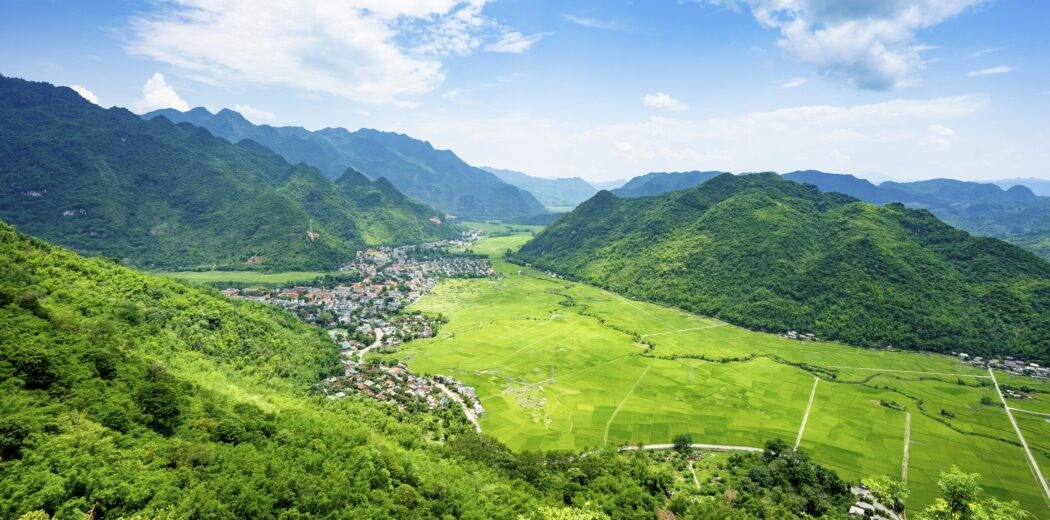
Vietnam boasts a wealth of stunning landscapes. Many travellers are captivated by the northern highlands and the central coast. The northern region, particularly around Sapa and Ha Giang, showcases breathtaking terraced rice fields that cascade down mountainsides, creating a visually stunning mosaic of green and gold. Meanwhile, the central coast, stretching from Da Nang to Hoi An, offers a blend of natural beauty and strong culture. Pristine beaches, like those in My Khe, contrast with the ancient architecture of Hoi An, a UNESCO World Heritage Site. The combination of verdant mountains, shimmering coastlines and historic towns makes this area exceptionally picturesque.
Vietnamese cuisine is a combination of flavors, textures and aromas, celebrated for its freshness and balance. Fragrant rice, often accompanied by bright herbs, crisp vegetables and delicate sauces is a cornerstone of most meals. Perhaps most well known dish is phở, a comforting noodle soup with flavorful broth and tender meat, enjoyed throughout the day. Bánh mì, a crispy baguette sandwich filled with savoury ingredients, showcases the country’s historical French influence. Fresh spring rolls (gỏi cuốn), with their translucent rice-paper wrappers and colorful fillings, offer a light and refreshing bite. Coastal regions boast an abundance of seafood, while regional specialties like cao lầu in Hoi An and bún chả in Hanoi highlight the diversity of Vietnamese cooking. Overall, Vietnamese food emphasises fresh, seasonal ingredients and a blend of sweet, sour, salty and spicy flavours, creating a truly memorable culinary experience.
