How to Plan a Malaria-Free Safari in South Africa: With Personal Insights from Jacada Experts
Find inspiration and practical advice on how to plan malaria-free safaris in South Africa. Our in-depth guide discusses the benefits of low risk malaria safaris, shares our experts’ insider tips and explores the best locations and places to stay.
Planning a safari to South Africa is incredibly exciting. As you anticipate the incredible nature which awaits, you may also find it helpful to tick something off your list when it comes to pre-travel considerations. Choosing a malaria-free destination makes planning easier, especially when travelling with a large group or a young family.
One of the advantages to South Africa: vast swathes of this wildlife-rich and beautiful country are malaria-free, eliminating the need to consider this factor in your travel plans. South Africa’s private reserves and national parks offer some of the best safari experiences in the world – prepare to spot the Big Five roaming the plains, glimpse spectacular birdlife among the greenery and uncover tiny wonders on a walking safari.
Below, we asked our Africa experts to share their expertise-based opinions on why and how to plan a malaria-free safari in South Africa.
Why choose a malaria-free safari?
Our Africa travel expert Jody explains that choosing whether or not to visit countries with malaria is an entirely personal choice. ‘I have found there’s a multitude of reasons that people choose a malaria-free safari and I’m here to support them with the expertise and experience they need to find the best location for their wildlife adventure’.
For families with young children, choosing a destination with low to no risk of malaria can be a simpler option as it removes the need for anti-malaria medication, which must typically be taken everyday in the run up to, during and after your safari.
Our Africa expert Jody explains why the malaria-free Marataba lodge makes a great option for family trips to South Africa.

Although preventive medicines for malaria are easily accessible and effective, those with certain medical conditions may not be able to take them. In these cases, you could choose a safari destination which carries a lower risk of malaria. Whatever the case, it is important to speak with your travel doctor prior to travel.
Another of our Africa travel specialists, Emily, shares her personal experience on safaris with little children. ‘My children were born in South Africa, so family safari expeditions became a frequent trip for us, exploring many of the country’s parks and reserves. In my experience, choosing locations that had a low malaria risk was best as navigating malaria medication was tricky when my children were little.’
Malaria-free locations
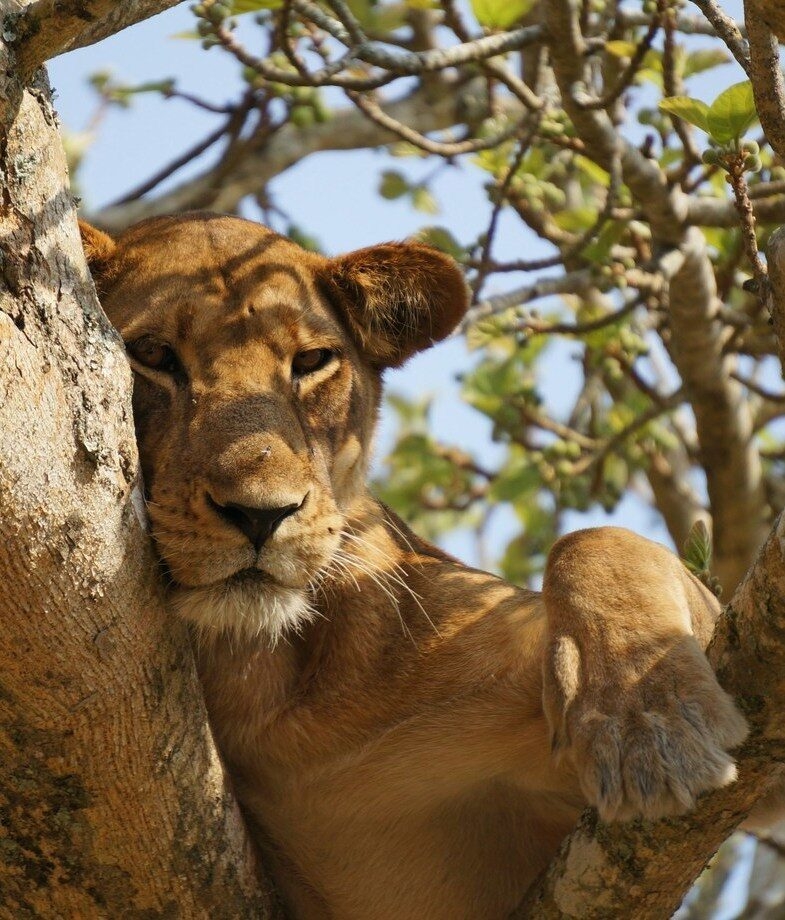
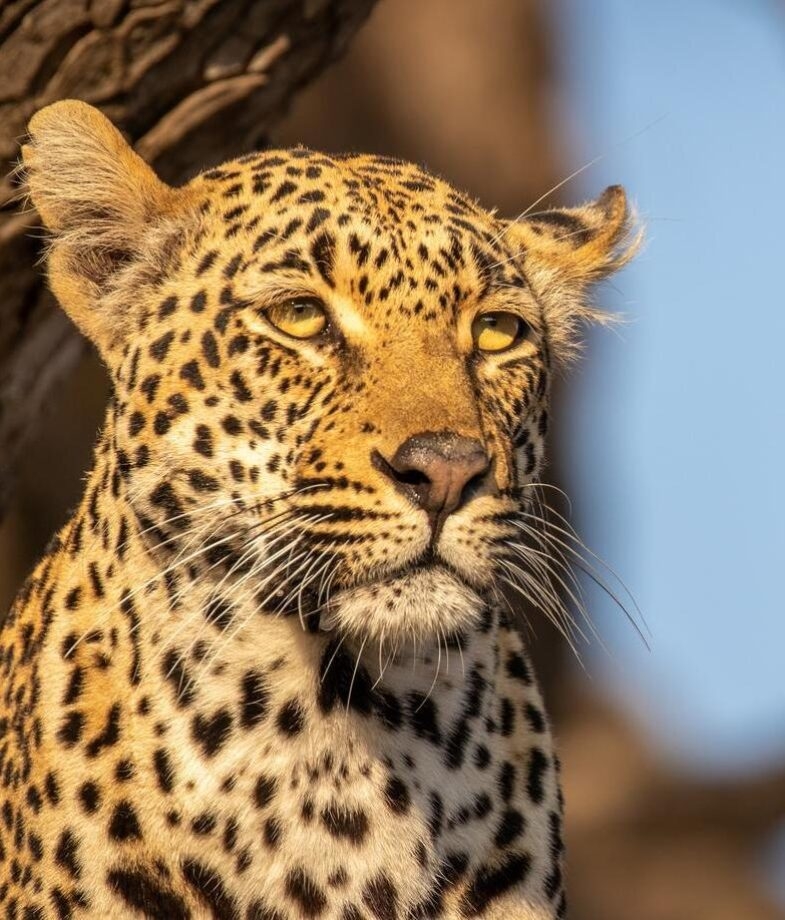
Encompassing the Big Five, the Magnificent Seven, smaller creatures and birdlife, South Africa’s malaria-free safari destinations are home to a wealth of wildlife. Stay in luxury safari lodges on private game reserves, where you’ll enjoy secluded sundowners, get stuck into hands-on conservation activities and have you and your family’s imaginations captured by thrilling game drives.
What you need to know:
- The main malaria free areas are Kwandwe Private Game Reserve, Madikwe Game Reserve and Tswalu Kalahari Reserve, as well as other locations on South Africa’s Eastern Cape.
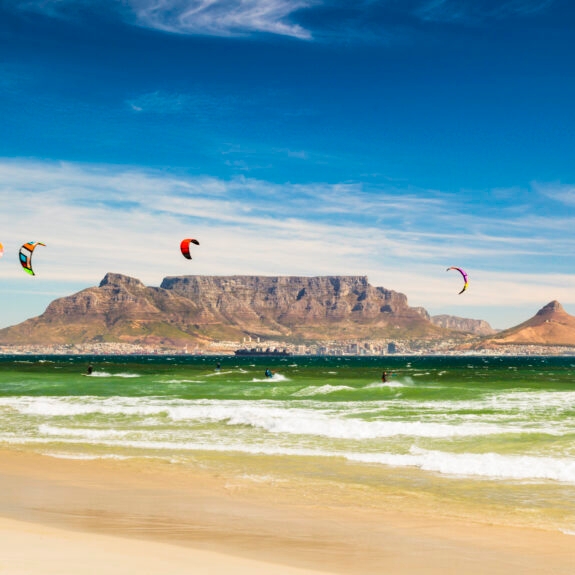
- It’s very easy to combine your malaria-free safari with further exploration of South Africa. Complement your adventure with a few days spent exploring Cape Town’s engaging history or sipping the finest Pinotage in the Winelands.
- Scenery wise, expect diverse landscapes across each of the malaria-free reserves. Tswalu Kalahari features semi-arid scrubland punctuated by red sand dunes, which turns into savannah plains, mixed bushveld and woodland across Madikwe and Kwandwe.
Kwandwe Private Game Reserve
Situated across 74,000 acres of restored farmland on the Eastern Cape, Kwandwe Private Game Reserve, one of South Africa’s biggest, is malaria free. It’s a great choice for family-friendly safaris to see the Big Five, offering hands-on opportunities for older children and adults to get involved with conservation efforts such as rhino notching.
Stay at safari lodges such as Great Fish River Lodge and Ecca Lodge for a luxury experience and quiet seclusion.
Eastern Cape safaris are unique in that they allow travellers to experience both the Big Five alongside 800 kilometres of rugged coastline. Spend days spotting predators on game drives in private reserves such as Kwandwe, before enjoying sun-soaked beaches, rocky headlands and diving to see shipwrecks along the coast.

Tor Saner
Senior Travel Designer
Madikwe Game Reserve
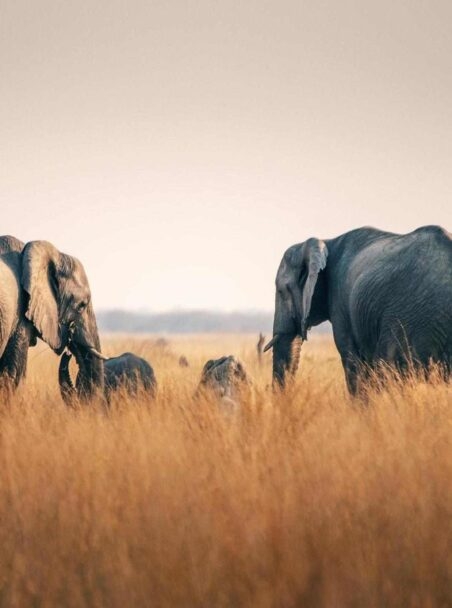
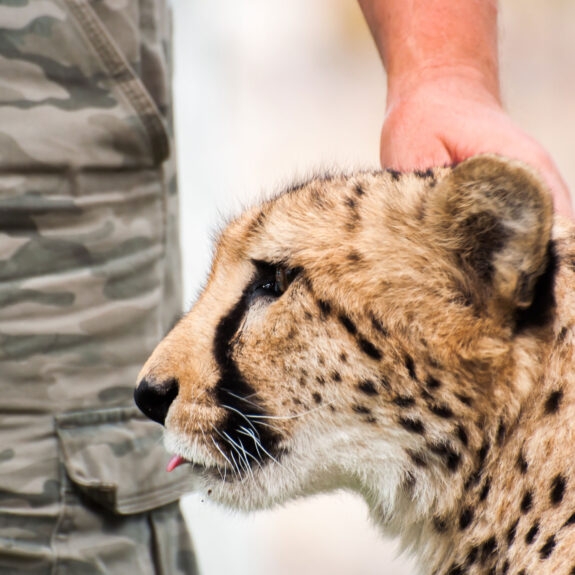
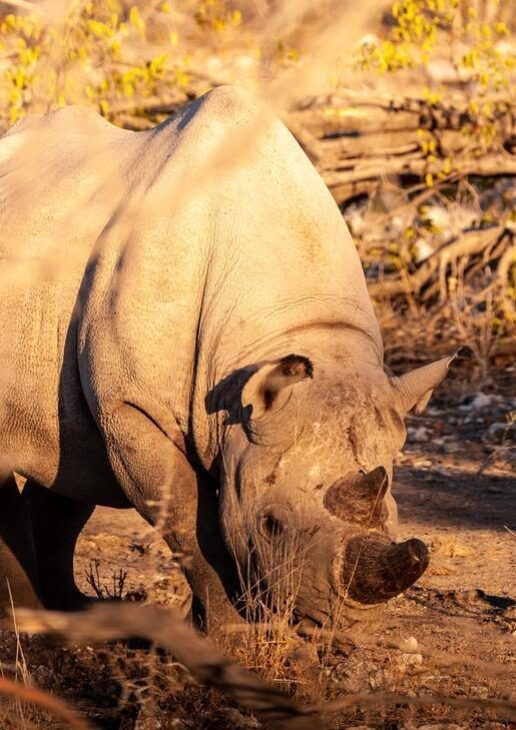
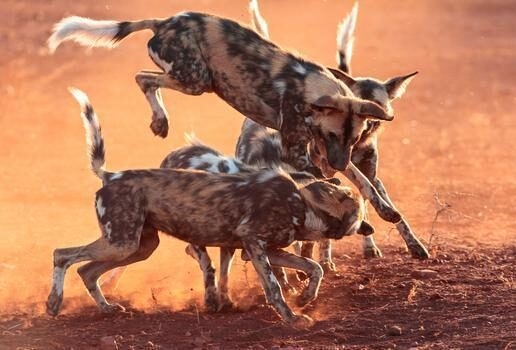
Located in South Africa’s North West province, Madikwe borders the Kalahari desert and Botswana, and is a malaria free zone. It’s South Africa’s fifth largest game reserve and is home to over 13,000 animals, including the ‘Magnificent Seven’ – elephants, rhinos, buffalos, cheetahs, leopards, lions and African wild dogs.
Some of our recommended luxury safari lodges here include the Morukuru properties, such as Morukuru River House, which is booked on an exclusive use basis, ideal for large families and groups.
More from our experts
Where to stay
Probably one of my personal favourites for a malaria free family safari is Morukuru Family in Madikwe, ideal for multi-generational family groups. There are three separate lodges: The River House, which can accommodate up to six adults and four children, the Owner’s House, which sleeps two to four guests; and the Farmhouse, which fits up to 10 people across five bedrooms.
Tswalu Kalahari Reserve
The malaria free Tswalu Kalahari Reserve is the largest private game reserve in South Africa, spanning over 100,000 hectares, yet has only two accommodations: Motse Camp and Tarkuni House, allowing for a maximum of thirty guests across the whole reserve at any one time.
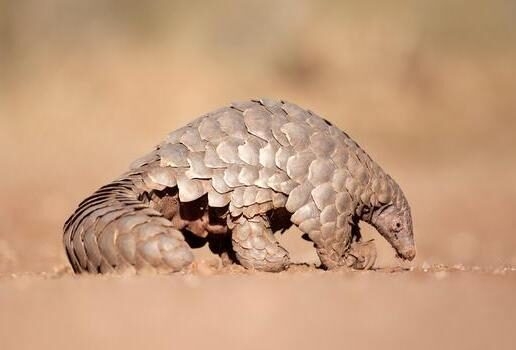
While you cannot see all of the Big Five here as Tswalu has no elephants, you’ll be able to look for rare desert wildlife, including pangolins. Learn more about the extensive pangolin conservation efforts undertaken at Tswalu from your private guide, and get involved by helping with data collection.
When is the best time to go on a malaria-free safari in South Africa?
The best time to go on safari in South Africa is during the dry season, which lasts from May to October. The climate is cool and dry, and the sparse undergrowth makes it easier to spot the animals, who congregate around the remaining water sources.
Daytime temperatures are expected to reach around 25°C (77°F), although mornings and evenings will still be chilly. We advise packing extra layers to keep you at a comfortable temperature for early morning game drives and evenings sat round the fire.
There are also fewer mosquitos during the dry season, as the standing water they need to lay their eggs in dries up with the reduced rainfall.
Ready to start planning?
Whatever you want from your malaria free safari, our travel designers are ready to help.
FAQs:
As described by the World Health Organisation malaria is a serious, although preventable and curable, disease. It is found in over 80 countries, most commonly in sub-Saharan Africa, but also in parts of Southeast Asia and other tropical locations. The infection does not spread from person to person, but is transmitted by bites from female Anopheles mosquitoes infected by the Plasmodium parasite.Malaria can be prevented by taking measures to avoid mosquito bites, such as wearing protective clothing and sleeping under a mosquito net, as well as by taking certain medicines, such as antimalarial tablets.
If you’re considering travelling to a lower risk, rather than malaria-free safari destination, then seasonality is an important factor in your trip. The Anopheles mosquitoes which spread malaria thrive in certain climate conditions, namely warmer temperatures and higher rainfall, as they need standing water such as pools and puddles to lay their eggs in.
That said, this can vary from region to region, and some areas even experience year round transmission. For example, while travel to the Kruger or Sabi Sands in the dry season is considered lower risk, you would still need to take anti-malaria medication on that trip. Speak to your travel doctor, who’ll be able to explain the types of anti-malaria medications available and help you make an informed decision.
An absence of malaria does not mean an absence of mosquitoes. Pack mosquito repellent, as well as any treatments you might need for bites, such as antihistamines.
Wear clothes that cover your arms and legs to avoid getting bitten. If you’re travelling in winter, you should also bring some warm layers, as it can get cold overnight and on early morning game drives.
Learn more about safaris in South Africa
Feeling inspired by South Africa? Delve deeper with some of our South Africa travel guides, which draw on our travel designers’ expertise to help answer your questions about this captivating destination. Learn more about its potential for an unforgettable family trip, or how to choose where to go for your perfect wildlife adventure.