The 9 Best National Parks in India
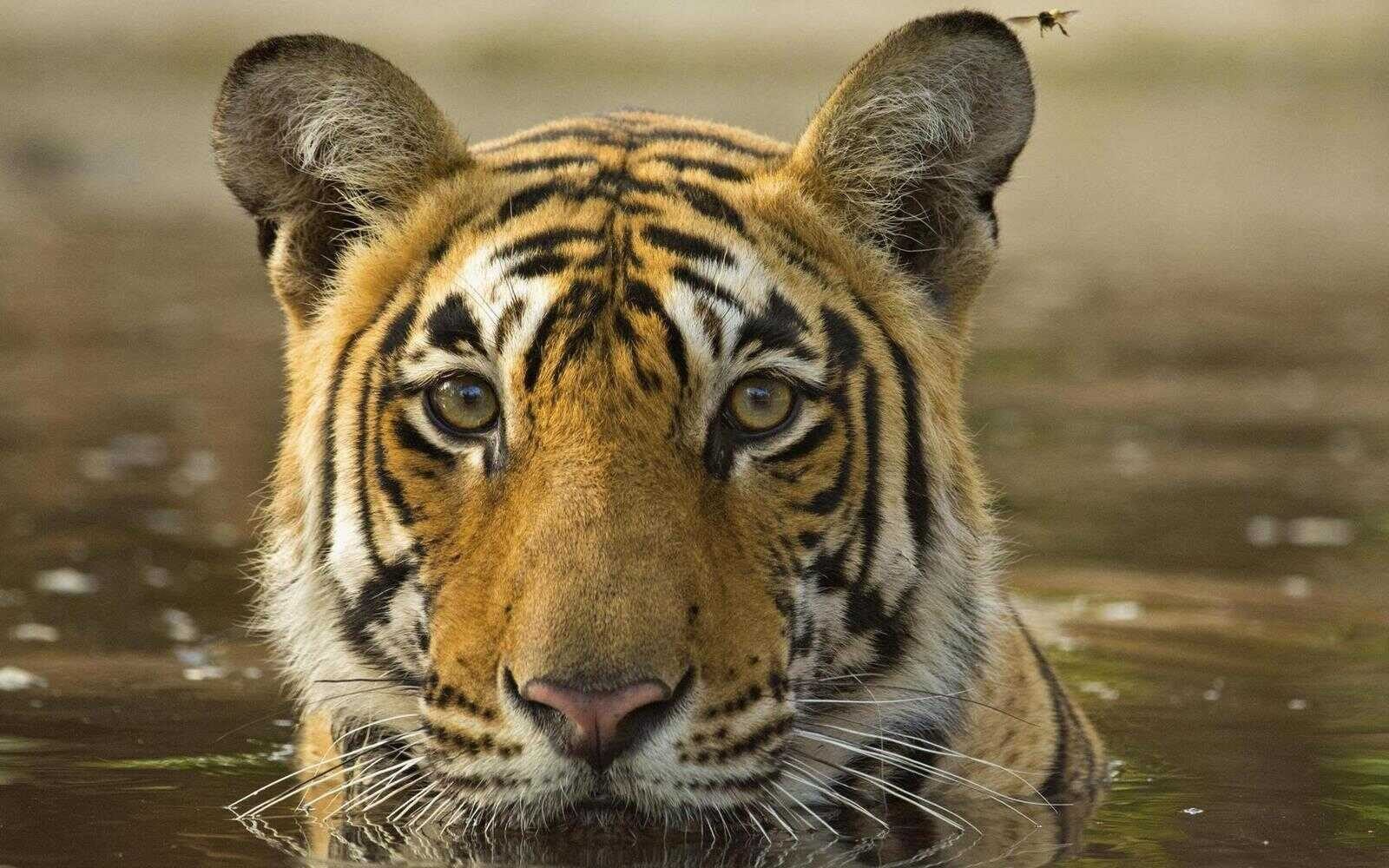
Explore snowy peaks, abudant wildlife, sultry mangroves and dense forests in India's best national parks.

There are more than a hundred national parks in India, each home to an astonishing array of fauna and flora. This country is incredibly biodiverse, boasting over 100,000 animal species and a vast variety of habitats ranging from tiny island oases in the Bay of Bengal to enormous swathes of wilderness in rural Rajasthan and Ladakh.
The best national parks in India play a vital role in protecting these natural wonders. Within them you’ll find tigers, leopards, lions and elephants; ancient rock formations and legendary peaks; lush mangrove forests and dry desert plains. Here are a few of our favourites.
1. Jim Corbett National Park, Uttarakhand
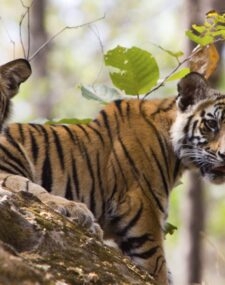
Also known as Corbett Tiger Reserve, Jim Corbett National Park was the first Indian national park to be established. Located in Uttarakhand at the foothills of the Himalayas between Rishikesh and the Kumaon region, this remote wildlife haven has benefited from years of conservation, resulting in a thriving population of tigers, leopards, sambar deer, elephants, jackals and many other species.
2. Kaziranga National Park, Assam
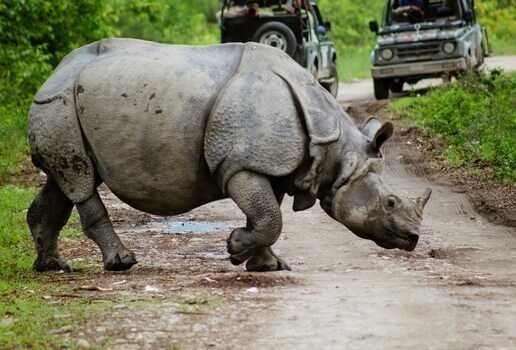
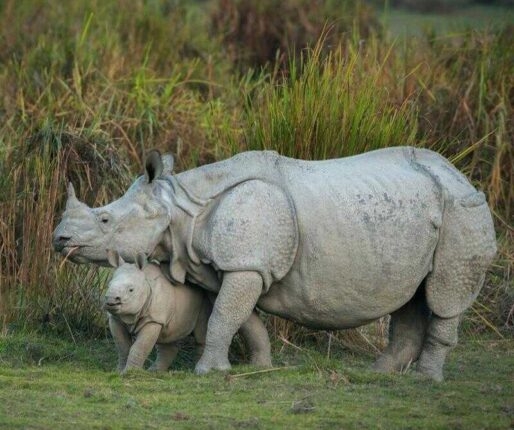
Set in the northeastern state of Assam, Kaziranga National Park is best known for its population of one-horned rhinoceroses. By helping to save this species from extinction, Kaziranga has come to symbolise the power of wildlife protection and habitat management. The park is also home to Bengal tigers, Asian elephants, water buffalo, river dolphins and hundreds of bird species.
3. Gir National Park, Gujarat
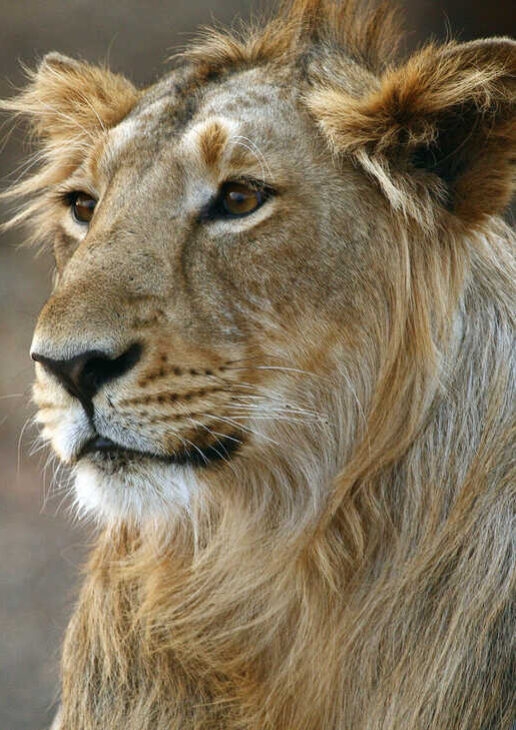
Head to western India’s Kathiawar Peninsula to visit Gir National Park. It’s the only place on earth where you can see wild Asiatic lions, which tend to be smaller and have shorter manes than their African counterparts. Along with the hundreds of lions that inhabit the park, you might also spot striped hyenas, gazelles, leopards and smaller animals like honey badgers, pangolins and porcupines.

4. Ranthambore National Park, Rajasthan
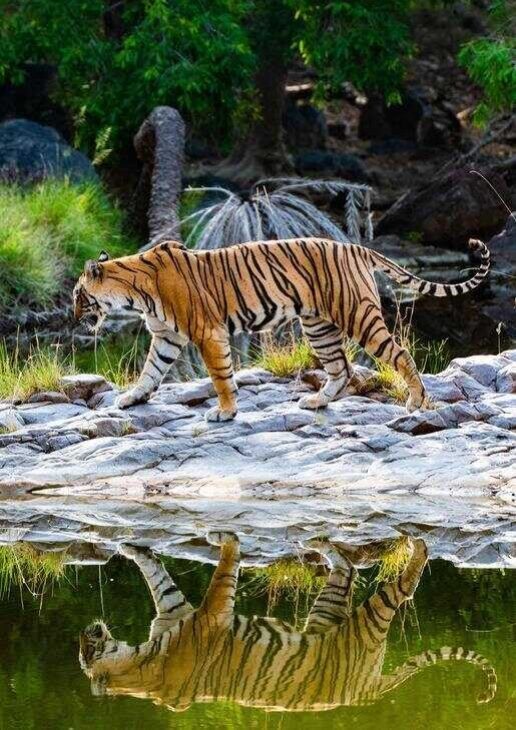
Ranthambore might just be the best national park for tigers in India; it’s certainly among the most renowned. The several dozen Bengal tigers that live here can be seen wandering through the park’s picturesque ruins, including Ranthambore Fort and the remains of ancient temples. Stay in one of the luxurious tents at SUJÁN Sher Bagh, which directly supports the park’s conservation work.

5. Kanha National Park, Madhya Pradesh
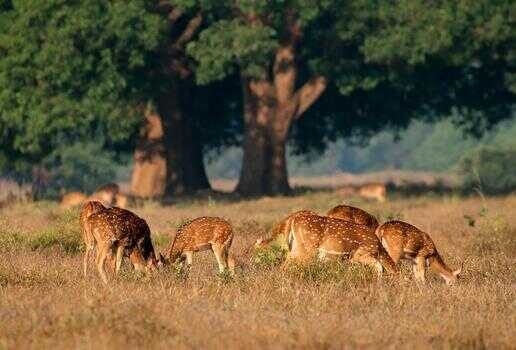
Kanha National Park – also known as Kanha Tiger Reserve – is the largest national park in central India, located in the state of Madhya Pradesh. Its wooded landscapes provide habitats for not only tigers but also sloth bears, antelope, Indian wolves and plenty of other mammals. One highlight is the barasingha, a type of swamp deer that can only be seen in the wild within this particular park.
6. Bandhavgarh National Park, Madhya Pradesh
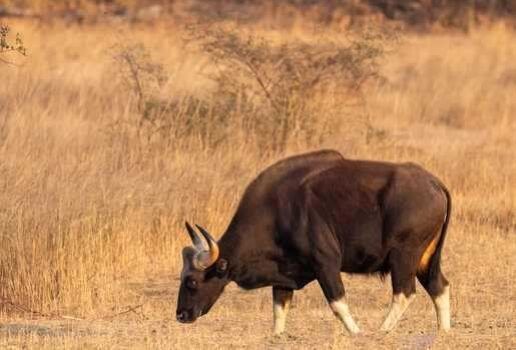
Along with Ranthambore, Bandhavgarh National Park is one of the most well-known places to see Bengal tigers in India. In fact, it has one of the highest densities of this species anywhere in the world. These felines roam the park’s grasslands and forests alongside wild dogs, sloth bears, bison and antelope species like the nilgai and chousingha. We suggest staying in one of Mahua Kothi’s cosy kutiyas (traditional cottages) nearby.
Expert explanation: combining India's incredible highlights
A visit to one of India’s national parks is an essential element in any adventure around this incredible, diverse country. I love planning trips that combine different locations and themes such as culture, history, nature, wellness, cuisine and the arts.

7. Sundarbans National Park, West Bengal
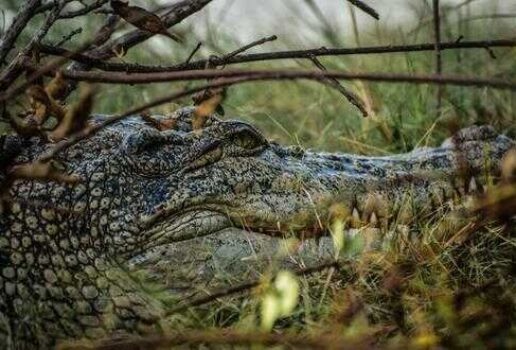
The state of West Bengal is in eastern India, close to the border with Bangladesh. It’s here that you’ll find Sundarbans National Park, which is part of the world’s largest mangrove forest (the Sundarbans). Like many of India’s national parks, it’s also one of the 58 designated tiger reserves across the country and the only mangrove forest on earth that’s home to these majestic mammals.
8. Nanda Devi National Park, Uttarakhand
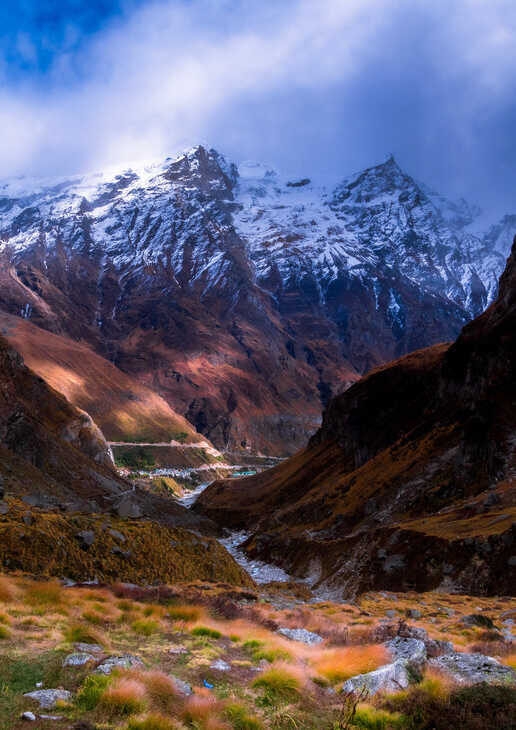
Located northeast of Rishikesh near Tibet, Nanda Devi National Park is a land of lofty peaks and steep slopes. Its eponymous mountain is more than 25,600 feet (7,800 metres) tall, and it’s known for the seven glaciers – collectively called the Nanda Devi Group – that feed rivers throughout Uttarakhand. Notable wildlife here includes snow leopards, langurs and Himalayan species such as black bears, brown bears and musk deer.
9. Hemis National Park, Ladakh
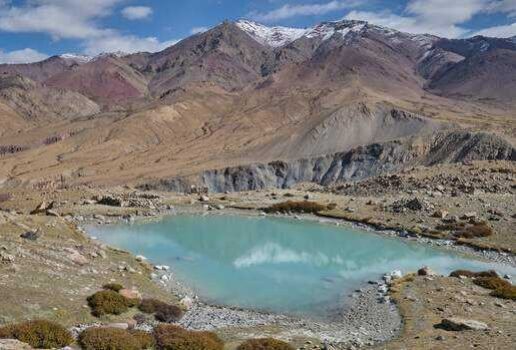
Ladakh is among our favourite places in India for remote outdoor adventures, and Hemis National Park is an essential destination in this far northern region. It’s the country’s largest national park and a prime place to spot snow leopards and blue sheep. The fascinating Shakti Ladakh Village Experience includes a visit to Hemis Monastery, set approximately 12,000 feet (3,600 metres) above sea level.
Why India’s national parks matter
All over the world, national parks are an integral part of conservation and environmental protection efforts. Many of India’s national parks have played a particularly important role in wildlife revitalisation initiatives, making it possible to rescue once critically endangered species like the one-horned rhino and barasingha from the brink of extinction. They’re also indispensable in the ongoing fight to protect the endangered Bengal tiger.
More of India
At Jacada we specialise in creating multi-destination trips that will immerse you in this enormous and varied country. Explore our India travel guides to help inspire your own adventure to India’s national parks, and beyond.

Ask the expert
The best time to visit India’s national parks depends on the region you’re heading to and the species you want to see, but the months of November to June are generally preferable. Many national parks close during the monsoon season from around July to October.
India’s ‘big five’ are five endangered species that can be found across the country: the Bengal tiger, Indian elephant, one-horned rhinoceros, Indian leopard and Asiatic lion.
Some national parks in India are more family-friendly than others; it depends on the age of your children, the hotel or lodge where you stay and the activities you choose. Our travel designers can arrange guided day trips and private vehicles that make it easier to explore with kids.
There’s no privately owned accommodation within India’s national parks, but there are plenty of fantastic places to stay on the parks’ outskirts that provide easy access for guests.

Ready to start planning?
Whatever you want from your India adventure, our travel designers are ready to help.
