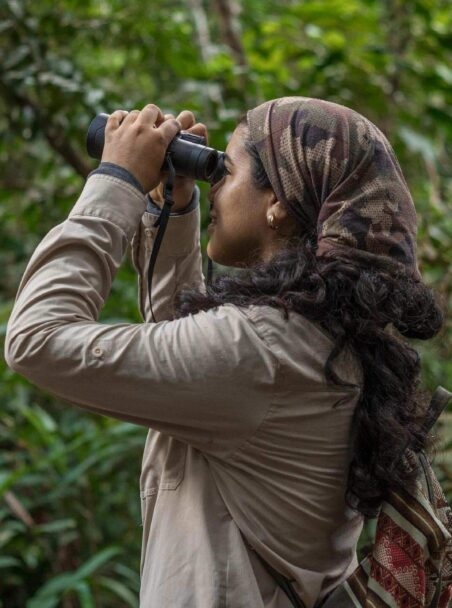
The Best Places in the World for Wildlife Photography
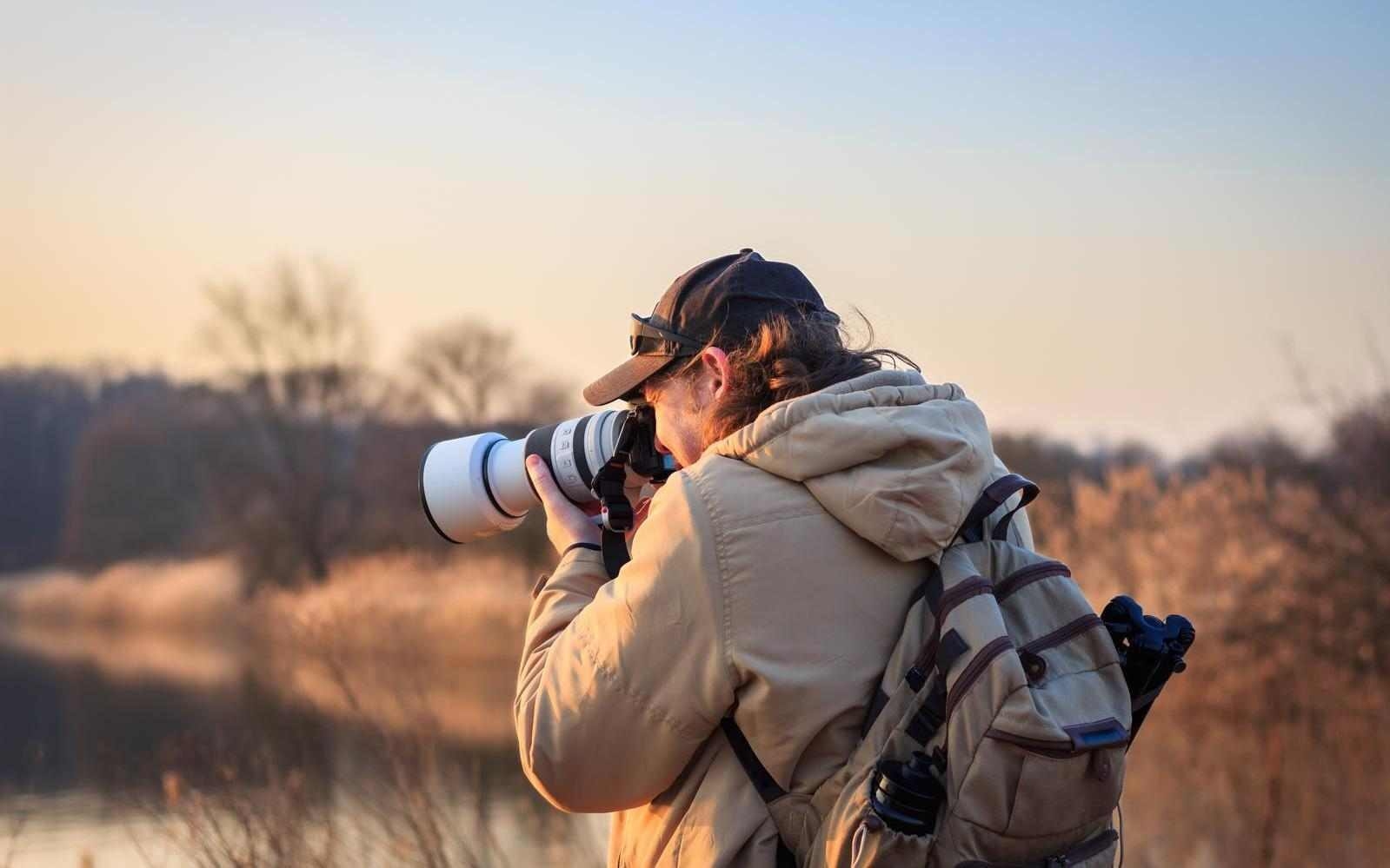
Jacada's luxury wildlife photography safaris take you into the wilderness of Africa, the jungles of Latin America and Asia and even the icy expanse of the Arctic in search of the perfect shot and the privilege of observing animals in the wild.

Wildlife photography is largely a game of patience. Crouched in a hide, breath held, waiting for the moment an animal emerges from the greenery. Days spent searching are punctuated by the thrill of achieving a longed-for sighting, preserving a fleeting glimpse of wildlife with your camera.
A private photography safari with Jacada immerses you in a range of habitats in search of rare and beautiful wildlife, exploring deeper into different regions with your guide on foot, by boat or by vehicle. In this guide, we give our recommendations for the best places in the world for wildlife photography safaris, and our tips for planning your own adventure.
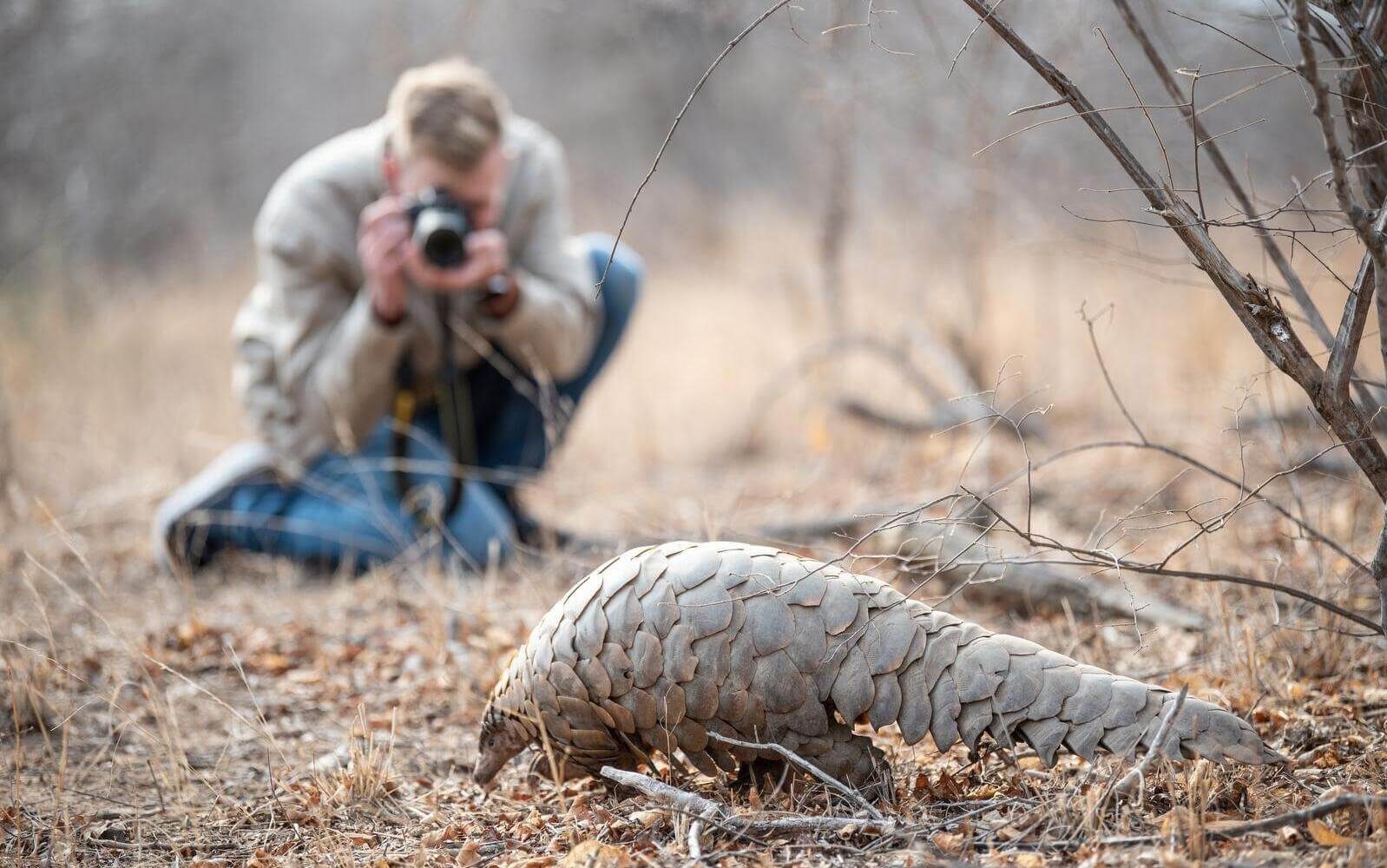
Wildlife photography safaris with Jacada
On luxury wildlife photography tours with Jacada, we use our destination expertise and exclusive on the ground connections to help you achieve that once in a lifetime shot. Specialist guides and trackers have years of experience in learning the habits and habitats of the wildlife you seek, and can lead you to the best chance of a sighting. Photography experts can travel with you, teaching you how to work with the light of each new landscape.
Carefully planned by our team, your journey takes advantage of exclusive conservancies or out-of-hours national park access, for intimate sightings shared only between you and your guides. The best photographic hides, skilled trackers and hand-picked luxury accommodation mean you’ll end your trip with memories – and photos – that will last a lifetime.
Our favourite wildlife photography destinations around the world
Our travel experts’ picks for the best places for wildlife photography.
Kenya and South Africa
Best for big cats and dramatic landscapes
In the rolling savannahs of Kenya and South Africa, majestic prides of lions – and the rest of the Big Five, have long been a coveted subject of wildlife photography enthusiasts. On an African wildlife photography safari, expert guides and trackers will help you capture that perfect shot of the continent’s most fearsome predators, and so much more.
Take in the minutiae of life in the bush on guided walking safaris, spotting smaller creatures among the greenery and learning to recognise the prints of predator and prey in the dirt. Observe animals’ daily lives from a photographic hide or on a private game drive, or even, with a bit of luck, from the terrace of your luxury safari lodge. Private conservancies give you exclusive access to the terrain, allowing for uninterrupted photography while you learn from conservationists about the essential measures being taken to protect the animals within.
Best time to go: We recommend visiting Kenya and South Africa from January to March for wildlife photography, as this coincides with the calving season. You’ll witness plenty of baby animals, as well as the increased predator action that comes with it.
Central India
Best for tiger safaris
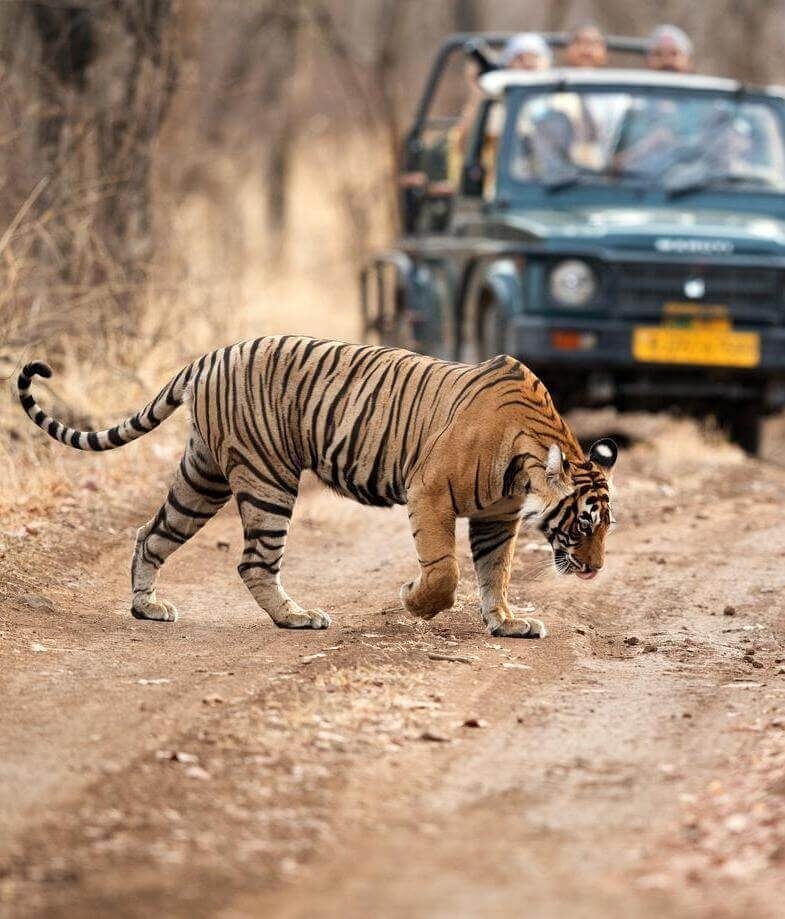
Though Ranthambore National Park and Bandhavgarh National Park are home to a relatively high proportion of India’s 3,000 strong tiger population, spotting these elusive felines is no easy feat. On an India tiger photography safari with Jacada, you’ll venture out over multiple days to maximise your chances of a sighting, accompanied by an expert guide who’ll teach you how to spot their distinctive ripple of fur among the sal forests.
Bandhavgarh, which has one of the highest densities of tigers anywhere in the world, is also home to leopards, sloth bears and gaur – Indian Bison, while Ranthambore features the imposing 10th century Ranthambore Fort. You should bear in mind that mobile phones are prohibited in India’s national parks, so all your photos here will be strictly camera only.
Best time to go: The best time to visit India for tiger sightings is from February to April, when rising temperatures and dry conditions lead the animals to gather around the remaining waterholes. Vegetation dries out, creating better visibility within the national parks.

The Pantanal
Best for jaguar sightings
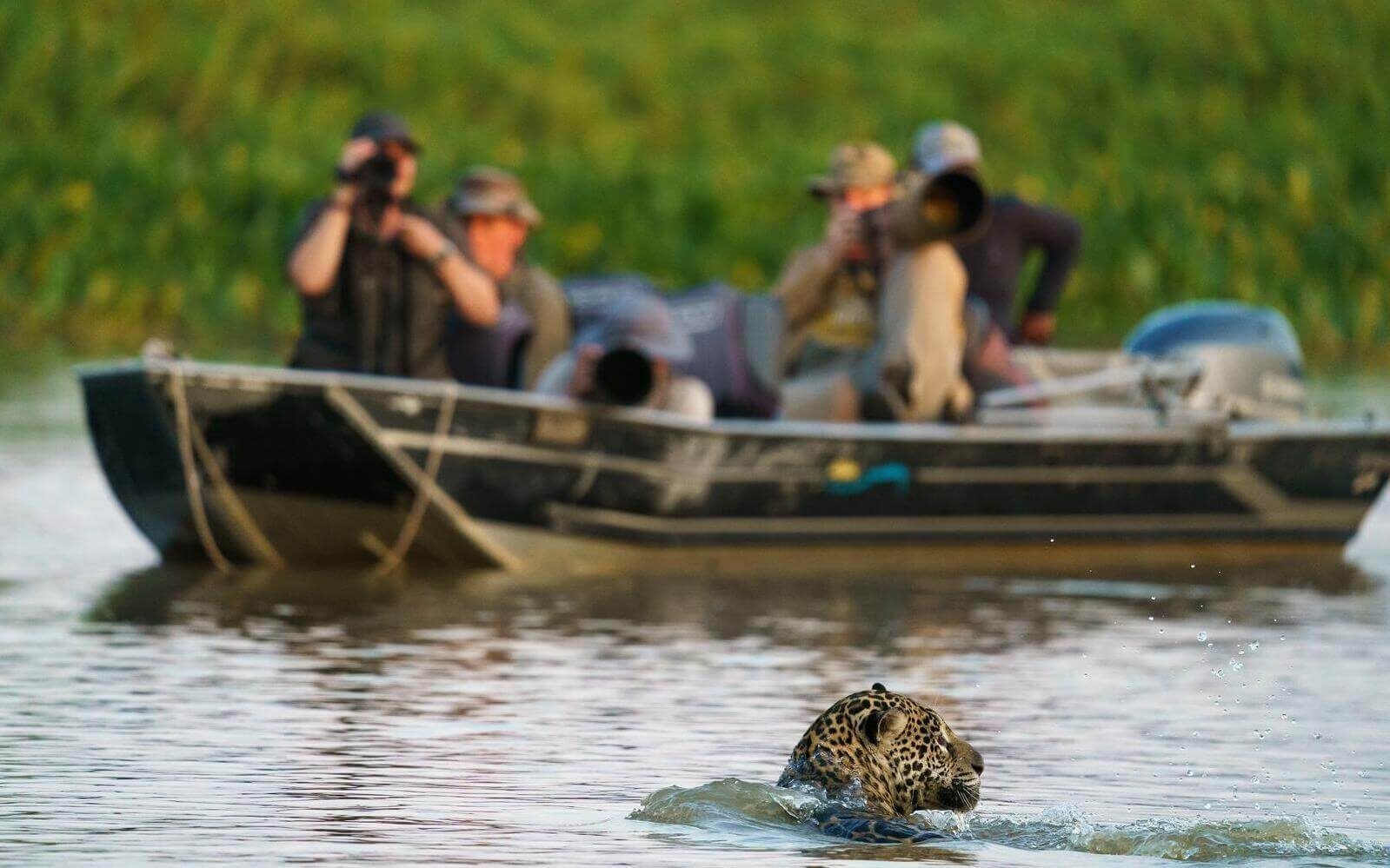
The world’s largest tropical wetlands are home to a plethora of rare creatures, most famously, the elusive jaguar. The Pantanal has become one of the most famous destinations for jaguar sightings, with initiatives such as the Onçafari Jaguar Habituation Team helping get the animals accustomed to the presence of photographers while raising awareness about their conservation.
During your Pantanal jaguar photo expedition, you’ll head out on both day and night adventures, including tracking jaguars on foot, viewing camera traps and private boat trips to spot them from the water. Bird lovers can also enjoy the vibrant flutter of a hyacinth macaw among the trees, of which there are around 5,000 in the Pantanal.
Best time to go: The best time to go to the Pantanal for wildlife photography is during the dry season, which lasts from July to October. During this time, water levels decrease, drawing wildlife to exposed riverbanks for easier sightings.
Ecuador and the Galápagos Islands
Best for endemic species and marine photography
One of the world’s most famous wildlife destinations, the Galápagos Islands are home to a fascinating array of endemic species and abundant biodiversity. The wildlife here is well-habituated, giving you a good chance of getting some excellent shots, and there are also plenty of opportunities for underwater photography of sealions, penguins and reef sharks.
Led by Galápagos wildlife photography guides and naturalists, land and water excursions allow you to explore all corners of the islands, arriving at a new destination each day thanks to your expedition ship. On mainland Ecuador, over 1,600 bird species decorate the treetops. Andean condors soar over the High Andes, while macaws, parrots and toucans splash their vivid colours across the Amazon Basin.
Best time to go: While the Galápagos is primarily a year-round destination, different months have different highlights. If your main focus is marine photography, then the best time to visit the Galápagos is from December to May, when the water is clear and calm and comfortably warm.

Borneo
Best for orangutans and endemic species
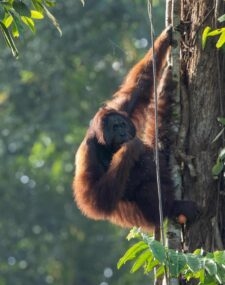
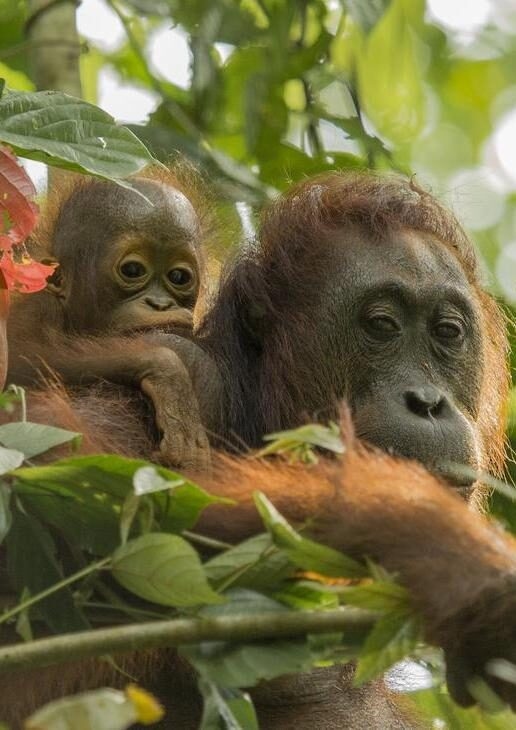
Split between Indonesia, Malaysia and Brunei, the island of Borneo is home to a fascinating array of wildlife. Capture the complexity and emotional range of beautiful orangutans, or search the jungle for proboscis monkeys, Bornean pygmy elephants or Malayan sun bears. Conservation is integral to Bornean wildlife explorations, and protected rainforests, conservations zones and sanctuaries allow you to ethically observe and photograph the island’s wildlife.
Your private naturalist guide will take you in search of clouded leopards in the Danum Valley or Batang Ai National Park. Cruise the Kinabatangan River in a private boat to see orangutans and monkeys in the trees overhead, or lock eyes with pygmy elephants along the riverbank.
Best time to go: The best time to go to Borneo for wildlife photography is during the dry season, which runs from May to September, as the drier weather brings better conditions for exploring and more easily accessible jungle trails.
Norway and Svalbard
Best for Arctic adventures and Polar bears
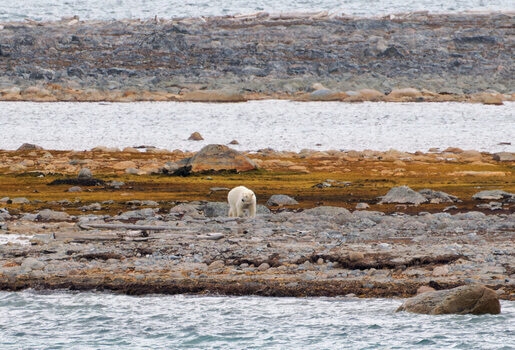
Norway and Svalbard offer some of the rarest and most striking wildlife photography opportunities across the world. The sight of life, whether playful Arctic fox pups rolling in the snow or a female Polar bear and her cub navigating the pack ice, creates a striking contrast to the harsh and unforgiving frozen landscapes on which they’re found.
Venture across the icy waters on a luxury expedition cruise, accompanied by expert naturalists and Arctic photography specialists on small Zodiac boats or land excursions. In addition to polar bears, which you can only see from a distance of between 300–500 metres, you may also spot walruses, whales and Arctic foxes. Be sure to pack spare batteries or chargers for your camera, as the cold will drain battery life much quicker than normal.
Best time to go: The best time to visit Norway and Svalbard for Arctic wildlife photography is between June and August, when milder conditions melt the ice enough to allow your boat to venture deeper and migrating whales enter the fjords.
Costa Rica
Best for bright colours and biodiversity
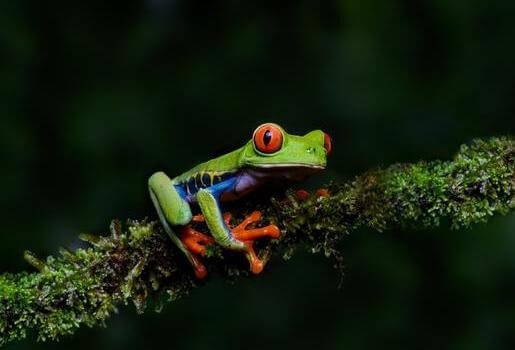
Home to around 5% of the world’s total biodiversity, Costa Rica is a wildlife photographer’s dream. Head out on private, naturalist-led treks through the jungle to capture the country’s remarkable details – tiny brightly coloured frogs, insects and birds hidden among lush jungle foliage.
In the cloud forests, keep an eye out for the iridescent green plumage of Resplendent Quetzals, or prime your camera for multi-flash hummingbird photography to capture the colours of their tiny wings. A guided night safari brings a whole new perspective. Switch your camera to night mode to capture vivid, red-eyed tree frogs, two-toed sloths, lizards and reptiles.
Best time to go: Costa Rica hosts excellent opportunities for wildlife photography all year round. The dry season, from December to April, is the best time to go for clear skies and easier trail conditions, while the green season, from May to November, brings lush green backgrounds and plenty of amphibians.
Ready to start planning?
Whatever you want from your luxury wildlife photography tour, our travel designers are ready to help.
Feeling inspired?
Delve deeper with a hand-picked selection of our expert travel guides. Learn about the best places in the world for bird watching, or explore more of Latin America’s wildlife with our guide to Central and South American safaris.