A Guide to the Wildlife of Southern Africa
See migrating whales, big cats, rare rhinos, pangolins, penguins and many other intriguing species across the world-class wildlife areas of Southern Africa.

Southern Africa encompasses several countries at the continent’s lower end, including South Africa, Botswana, Namibia, Zimbabwe and Zambia. These are the region’s top safari destinations, home to the most impressive wildlife of Southern Africa.
Habitats here range from sweeping coastlines to arid deserts, with dozens of excellent national parks and private reserves where you can see fierce predators, charismatic megafauna, dazzling birdlife, marine creatures and much more.
We’ve put together a detailed guide to Southern Africa’s wildlife to help you get inspired for your next safari adventure.
See the marine animals of Southern Africa
The coasts of Southern Africa are replete with marine wildlife.
You can spot migrating whales on South Africa’s Whale Coast and at Walvis Bay in Namibia. Southern right whales and humpbacks are the most common, but sightings of orcas and other species are also possible. South Africa also has a resident population of Bryde’s whales.
Other aquatic animals include bottlenose dolphins and great white sharks, both of which can be found along the coasts of Namibia and South Africa. You can see Cape fur seals at Cape Cross on Namibia’s Skeleton Coast or on Duiker Island off the coast of Cape Town.
If you visit KwaZulu-Natal in June or July, you might catch the sardine run: a huge migration event that attracts whales, dolphins, sharks and other animals to feed on millions of sardines.
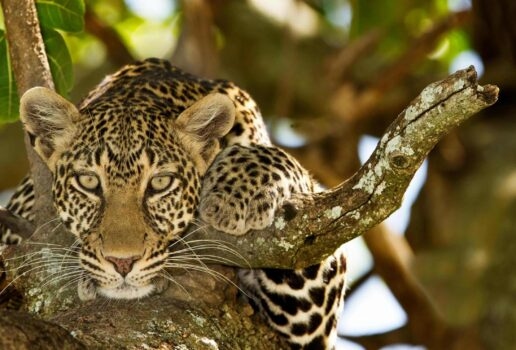
Track the big cats of Southern Africa
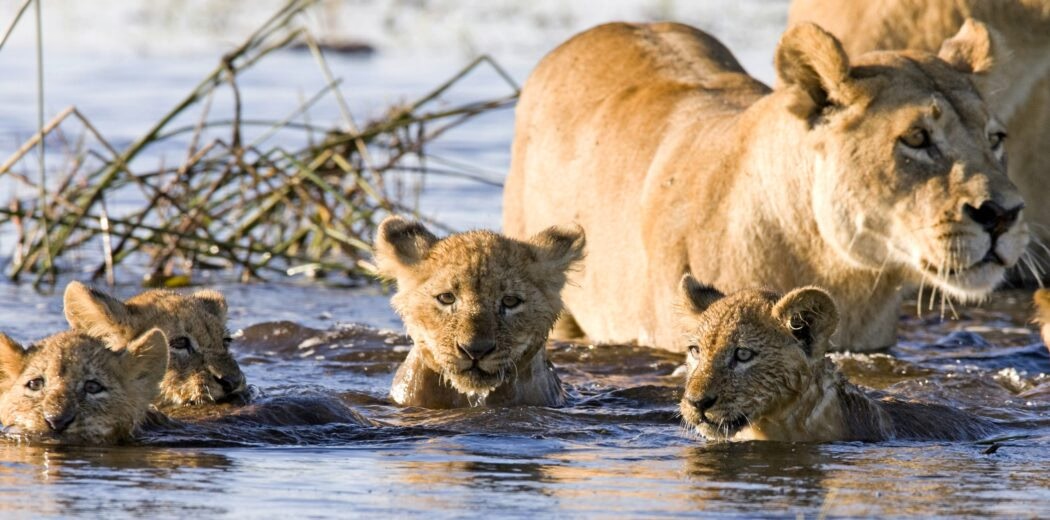
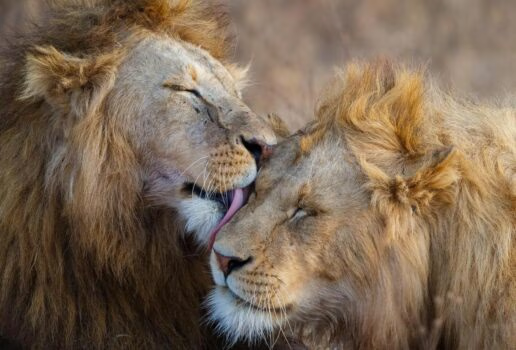
Big cats are some of the most exciting animals to see on Southern African wildlife safaris. Lions are especially common in Savuti in Botswana, Hwange National Park in Zimbabwe, the Kruger and surrounding reserves like Sabi Sands in South Africa.
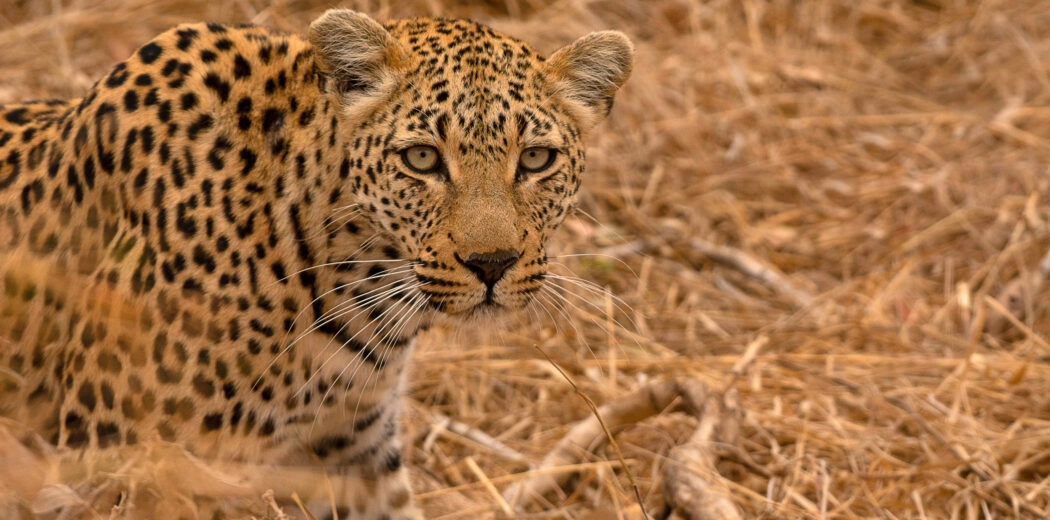
Leopards are also present in large numbers in Sabi Sands, making this one of our top spots for big cat safaris. You can see these spotted felines in Botswana’s Moremi Game Reserve and Zambia’s South Luangwa National Park, too.
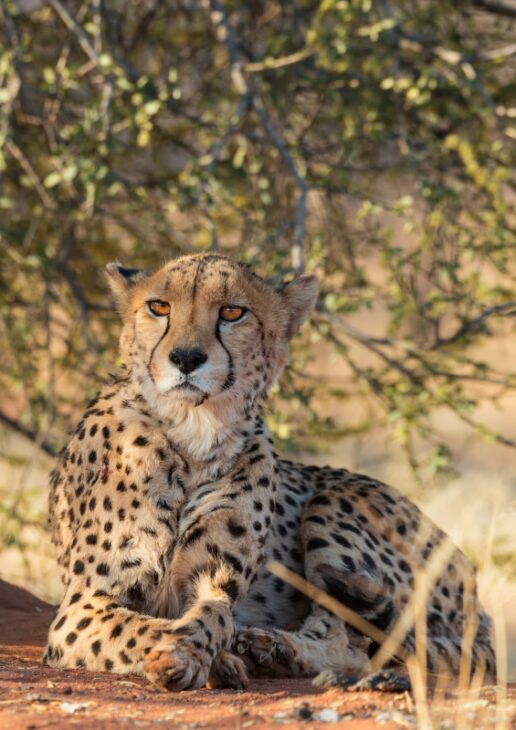
Cheetahs are significantly rarer than both lions and leopards. If they’re on your list of must-see animals, head to Namibia, which boasts one of the world’s largest populations. Etosha National Park is among the best places to see them.
We also suggest visiting the Cheetah Conservation Fund in Otjiwarongo to learn how conservationists are working to protect the species.
Other top destinations for cheetahs include the Okavango Delta, Kafue National Park, Phinda and the Central Kalahari Game Reserve – all of which are also home to lions and leopards. In the latter, you might even spot the famous Kalahari black-maned lions.
Spot the small predators of Southern Africa
Along with Southern Africa’s big cats, there are several smaller mammals that are ferocious predators in their own right.
Servals are among the region’s most fascinating wild cats, with their spotted and striped fur and unusually long legs. You can see them in Linyanti and the Okavango Delta.
Caracals are another elusive feline species, most often spotted on nighttime safaris. South Africa’s Western Cape is among the best places to see them.
Genets are small nocturnal creatures that look similar to cats – though they’re not actually related – and are present throughout Southern Africa.
In contrast to these cat-like species, jackals are canids (related to dogs) that you can spot on safaris in the Kruger and Etosha National Park. Black-backed jackals are particularly common in Southern Africa.
Finally, there are hyenas (which are neither felines nor canids). Spotted hyenas are the most widespread species here, although brown hyenas are also present. Some of the best places to see hyenas are the Kruger, South Luangwa, Hwange, Etosha and the Skeleton Coast.
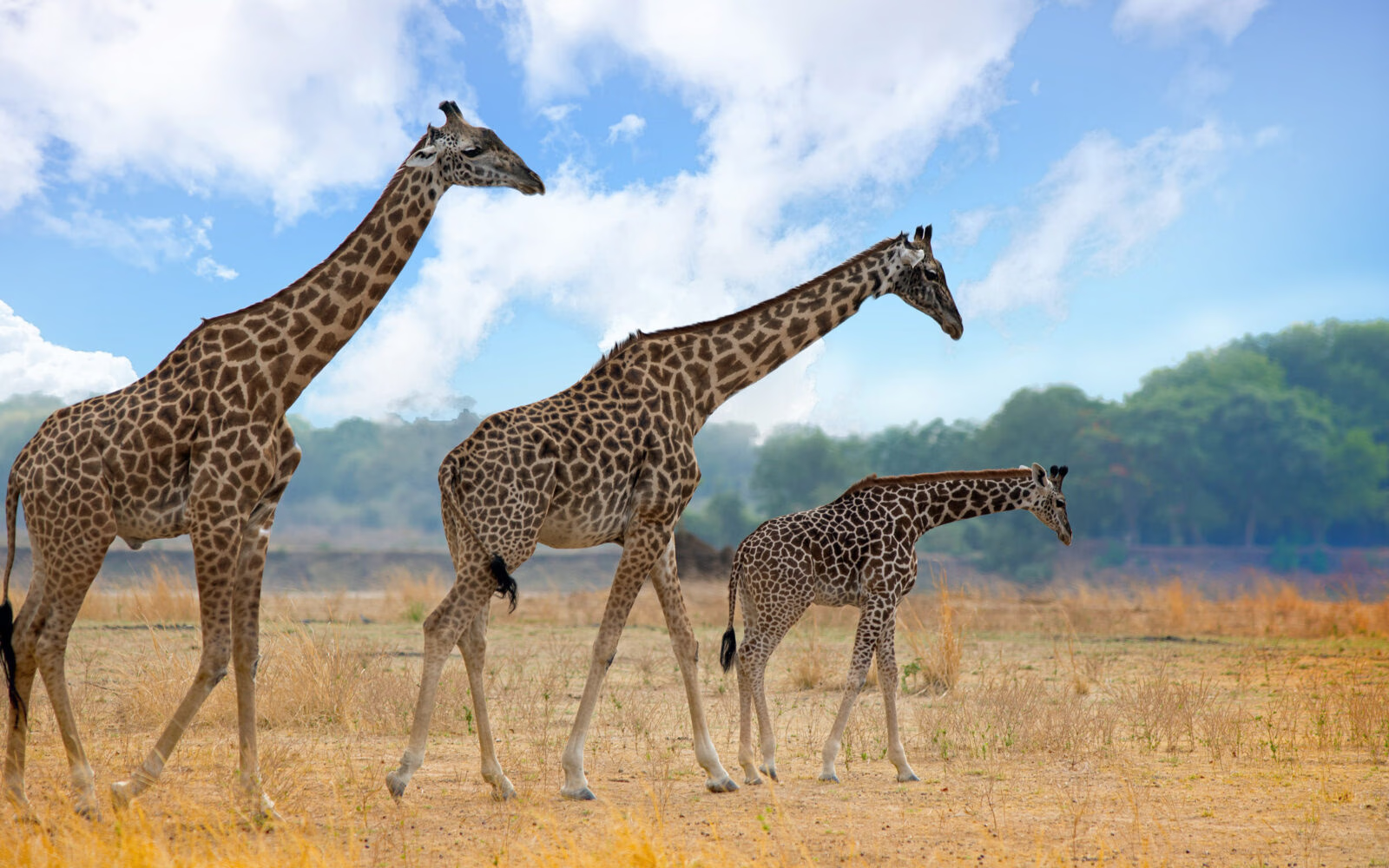
Follow the big game of Southern Africa
Elephants are one of the most sought-after species in Southern Africa. Visit Chobe National Park or Hwange National Park to see them in large numbers. Mana Pools, Linyanti, South Luangwa and several South African parks also boast an abundance of elephants.
If giraffes are at the top of your list, make sure to visit Hwange, Etosha or the Kruger. In Zambia you can see endemic Thornicroft’s giraffes, which only live in the South Luangwa Valley.
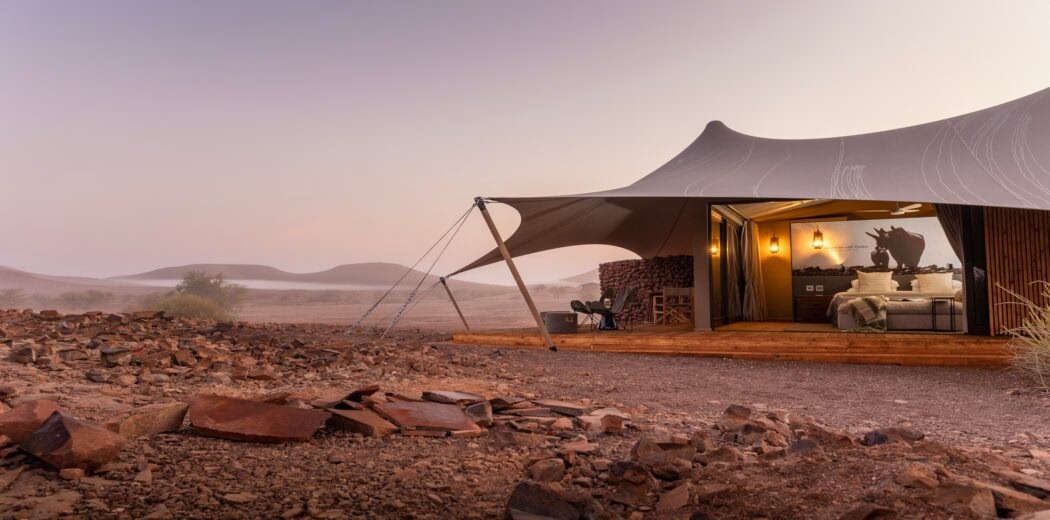
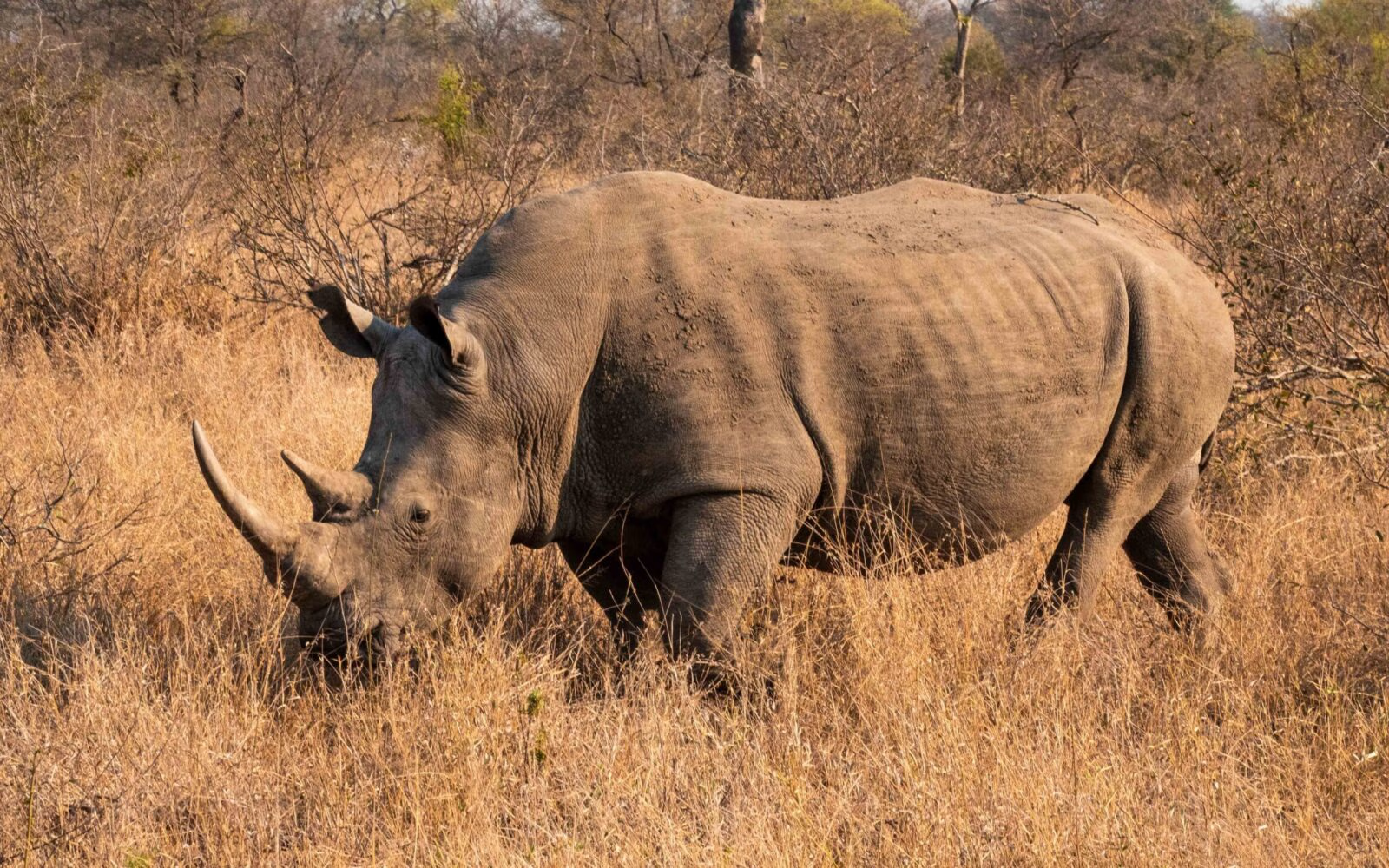
Rhinos are another impressive species to seek out. You can see both black and white rhinos in the Kruger and Etosha; the latter has the world’s biggest population of rare black rhinos. We also recommend staying at Desert Rhino Camp to track rhinos through Damaraland.

Look for rare species in Southern Africa
There’s plenty of rare Southern African wildlife to look for on game drives, bush walks and boat safaris across the region.
In addition to its large number of black rhinos, Namibia is home to a high population of brown hyenas (known here as strandwolves). This rare species can also be found in Makgadikgadi and the Kgalagadi Transfrontier Park, among other spots.
Madikwe is an especially good place to spot rare species, including brown hyenas, black rhinos, bat-eared foxes, honey badgers and African wild dogs. It’s also a habitat for pangolins – also called scaly anteaters – although the best place to see this species is Tswalu Kalahari Reserve.
Marvel at the birds of Southern Africa
Both avid and aspiring birders will find plenty to marvel at in Southern Africa, which boasts a long list of avian species both endemic and migratory.
Perhaps the most distinctive among them are African penguins: the rarest penguin species on the planet, which is only present in South Africa and Namibia. Visit Boulders Beach, about an hour’s drive from Cape Town, to see them swimming and lounging on the sand.
Other notable bird species that are native to Southern Africa include secretarybirds, great white pelicans, hamerkops, sunbirds and go-away birds – so named for their characteristic call, which is said to sound like the words ‘go away.’
While in South Africa, keep an eye out for blue cranes – the national bird. They can be spotted on the Western Cape, the Eastern Cape and KwaZulu-Natal.