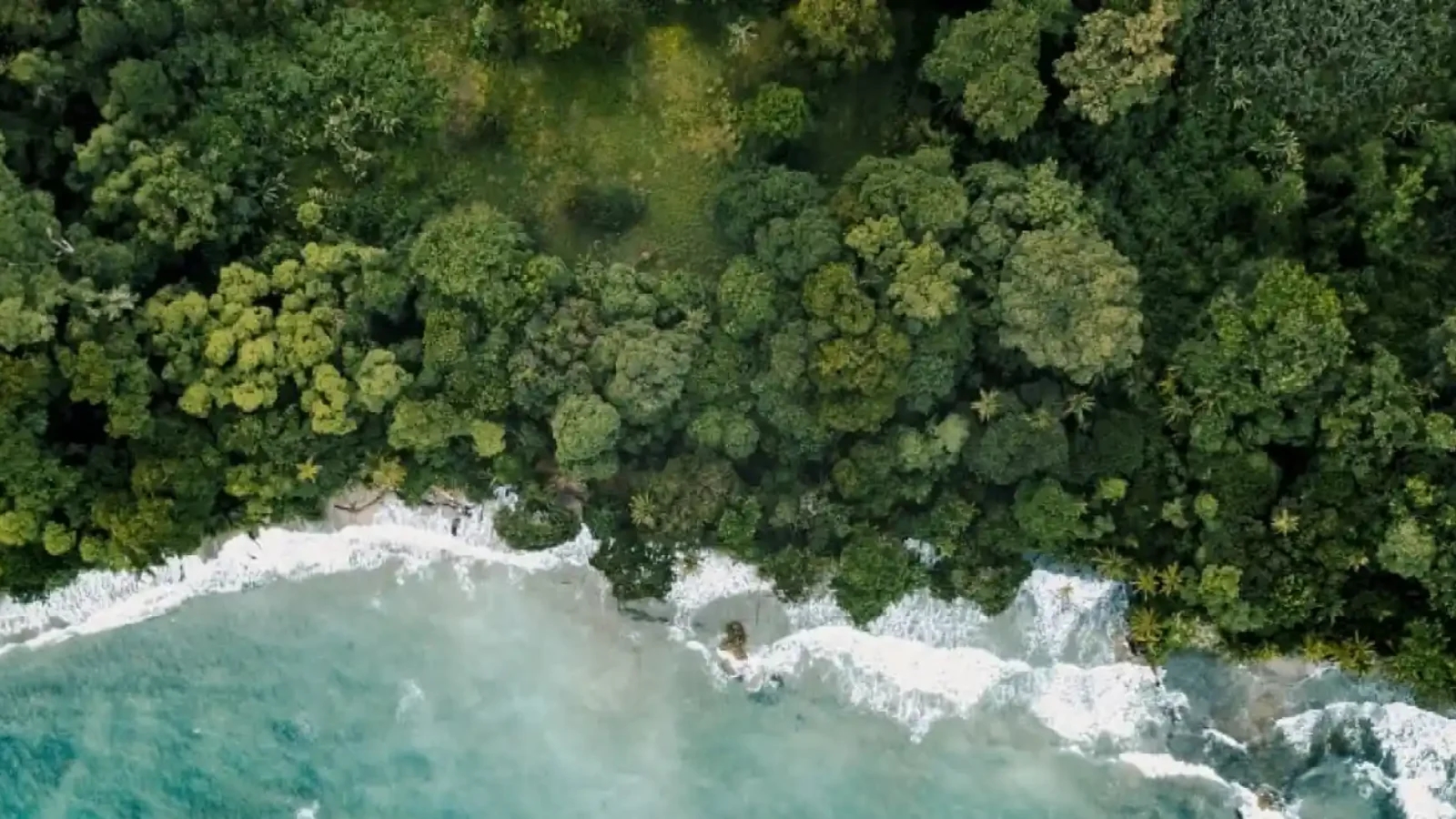
A Guide to Safari Shoulder Seasons Around the World
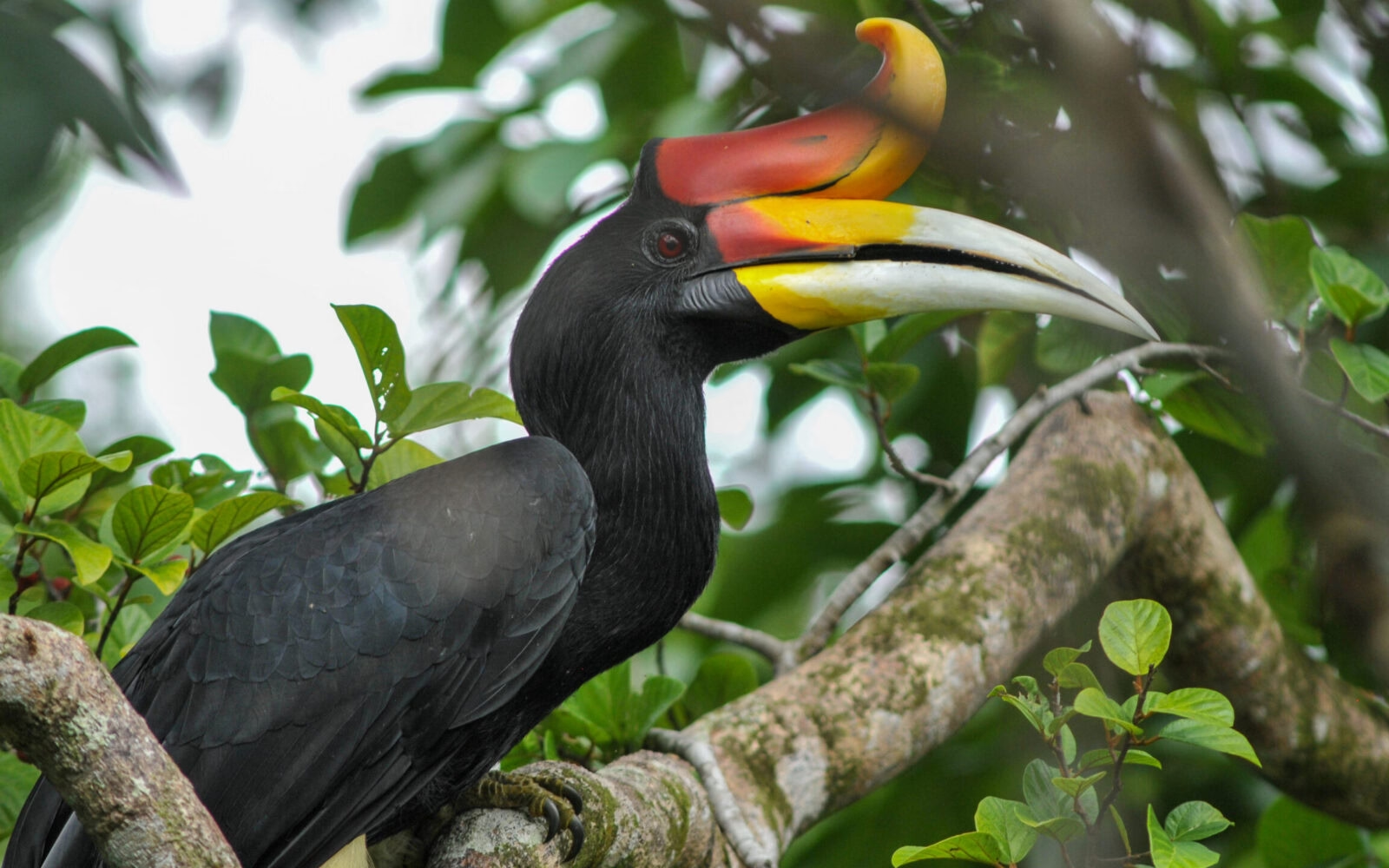
Set out on low-season safaris in Africa, the Amazon, Australia and India. Become immersed in peaceful nature and experience the lesser-known perks of legendary destinations.

In safari destinations across the globe, certain times of year are more popular than others. Visiting outside of these peak seasons can offer rewarding benefits: smaller crowds, verdant landscapes and prime conditions for activities like birdwatching or photography, to name a few.
Green season safaris in Africa are a prime example, promising lush foliage and one-of-a-kind wildlife experiences along with rainier weather. Other destinations like Latin America, India and Australia have their own low-season perks during specific months as well.
We’ve compiled a guide to the shoulder seasons and low seasons in some of our favourite safari spots around the world, to highlight the advantages of travelling at any time of year.
When is the low season in different safari destinations?
- Southern Africa: November–April
- East Africa: October/November–December and March/April–May
- The Amazon: December–May
- The Pantanal: November–March
- The Galápagos Islands: September–October
- Costa Rica: May–November
- India: April–September
- Sri Lanka: January–May or October–January
- Borneo: November–February
- Northern Australia: November–March/April
- Tasmania and Kangaroo Island: June–August
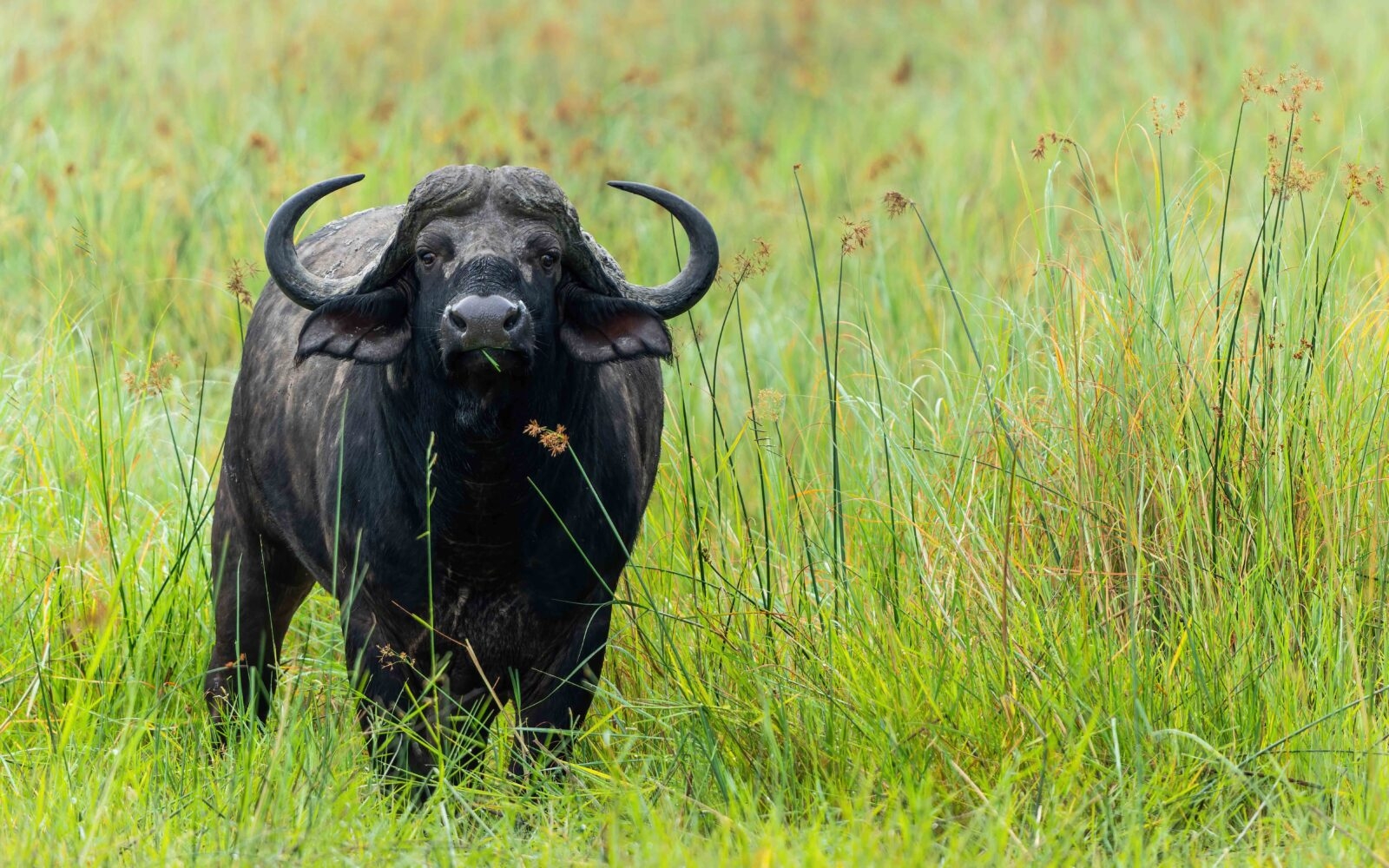
Green season safaris in Africa
The rainy season in Africa is also often known as the green season. The rains typically fall annually or biannually, with each country experiencing the wet weather at slightly different times of year. Precipitation can dramatically change the environment and wildlife behavior, making a safari in Africa’s green season particularly exciting.
Southern Africa
In Southern Africa, the peak season for safaris is generally May to October. This means that the green season falls roughly from November to April in the primary wildlife destinations across Namibia, Botswana, Zambia, Zimbabwe and South Africa.
East Africa
In East Africa, there are two green seasons: the short rains from October or November to December, and the long rains from March or April to May. The peak safari season in Tanzania and Kenya is June to October, while in Rwanda and Uganda it’s June to September.
Perks of a green season African safari
The exact conditions of the green season vary by country, but generally speaking it tends to be rainier and hotter. Dense foliage and more abundant water sources can also make it harder to spot animals. However, there are several advantages to a green season safari in Africa:
- Fewer visitors means you can enjoy greater privacy and more intimate experiences.
- Many species calve during the green season, so you’re likely to see baby animals.
- These months coincide with the best time of year for birdwatching in many places.
- The rainy weather turns the land lush and green, making for dramatic scenery.
You can also visit during the shoulder seasons to get some of the perks of both the high and low seasons. A safari in November, October, May or April is a great choice if you prefer smaller crowds and don’t mind a higher chance of rain.
Low-season safaris in Latin America
Latin America offers a vast array of safari destinations, each with distinctive seasonality. Dry and rainy seasons change the landscapes. High and low water seasons in places like the Amazon and Pantanal will dictate the safari experiences you can enjoy there—such as nature walks or boat trips.
The Amazon
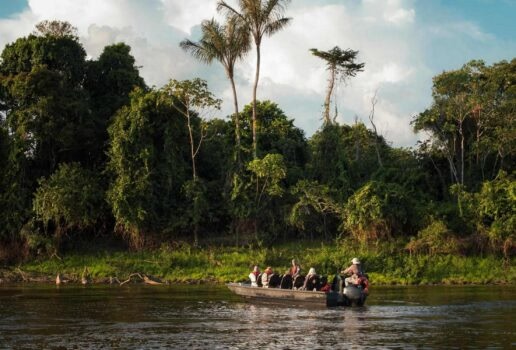
In the Amazon Rainforest, the dry season lasts from June to November and is the most popular time to visit. The low season, from December to May, is much rainier and less crowded in both the Brazilian Amazon and the Southern Peruvian Amazon.
The main advantage of a rainy season safari in the Amazon is that high water levels are ideal for boat-based exploration. On small boat trips you will be able to navigate channels deep into the rainforest, inaccesible on foot. Some species are also more visible, including monkeys, sloths and pink river dolphins.
The Pantanal
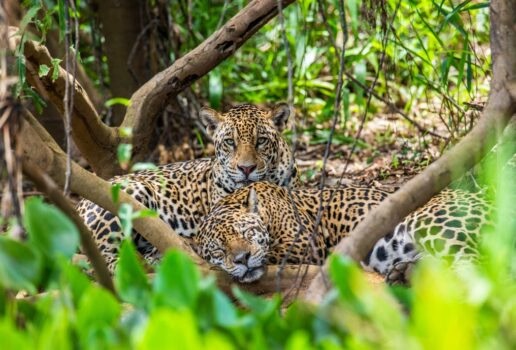
The Pantanal, located in the centre of South America, has its green season from November to March. These rainy months aren’t ideal for jaguar safaris, but they are a good time for birdwatching. April and May are transitional months leading up to the peak season.
The Galápagos Islands
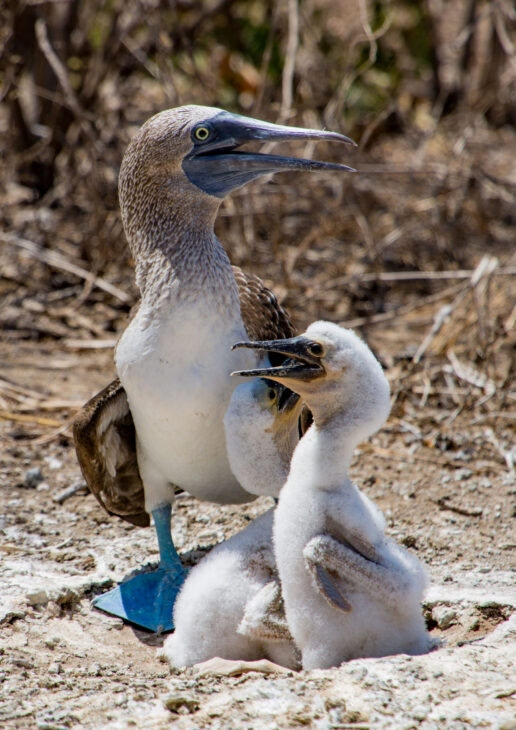
In the Galápagos, safaris are truly a year-round activity. The low season is usually defined as September and October, when temperatures are relatively cool and seas are rough. These months are among the best times to see dolphins, whales, sea lions, seal pups and blue-footed booby chicks.
Costa Rica
Most of Costa Rica experiences the green season from May to November. Head to the Osa Peninsula during these months to spot tree frogs, three-toed sloths and nesting sea turtles. If you visit Costa Rica in July or August, you might catch the mini dry season known as the veranillo.

Shoulder season safaris in Asia
Asia is the world’s largest continent, and safari conditions vary greatly depending on where you are. Safari seasons are often dictated by monsoons, which transform transform dry areas and intensify the humid lush jungles of Southeast Asia.
India
June to September is considered the low season in India due to less-than-ideal weather. During the peak monsoon season from July to September, the Ranthambore and Bandhavgarh national parks are closed, so this isn’t a good time for tiger safaris.
However, the shoulder season months from March through to June offer some of the year’s highest probability of tiger sightings. It can be very hot at this time of year, with March generally being the cooler month.
Sri Lanka
The low season for safaris in Sri Lanka varies by destination. The peak time to see leopards and other Sri Lankan wildlife in Yala National Park is the dry season from February to July, and the monsoon season is roughly October to January.
The shoulder months of August and September offer less crowding in exchange for suboptimal safari conditions in Yala (although the park sometimes closes partially in September).
In Gal Oya National Park the green season lasts from January to May. This is a fantastic time to visit for both birdwatching and elephant sightings. You can embark on boat safaris to observe elephants swimming through the Senanayake Samudraya reservoir.
Borneo
Borneo experiences its rainy season from November to February. These months aren’t usually recommended for safaris, but they do have a few advantages, like an abundance of migratory birds. The shoulder months of October and March are a good time to visit if you want to avoid both crowds and heavy rainfall.
Rainy season safaris in Australia
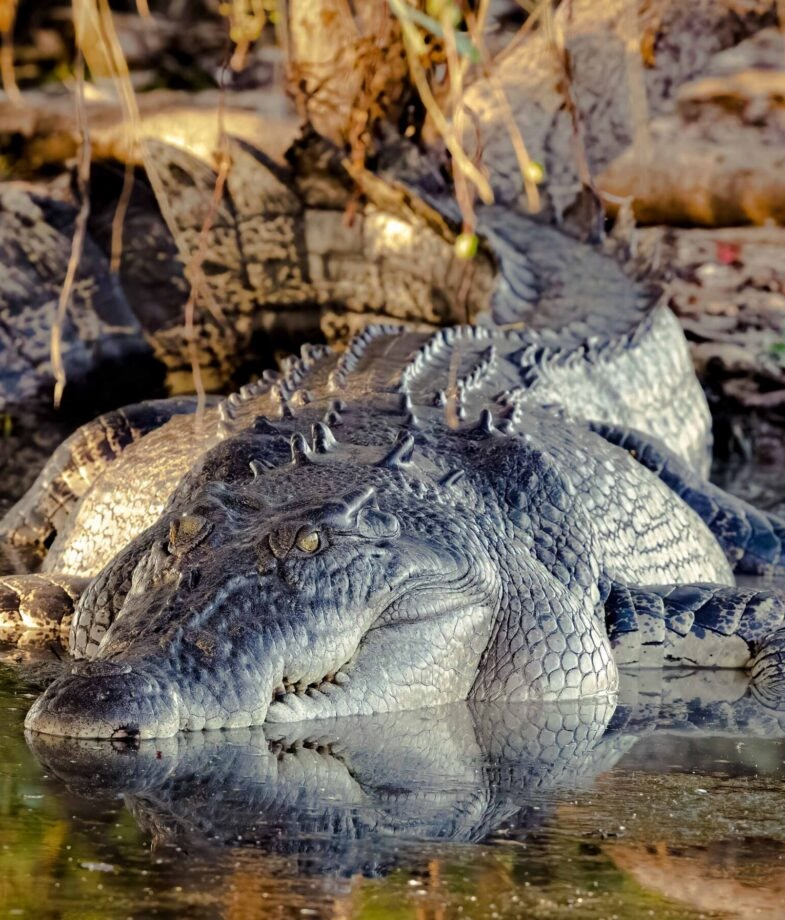
The best places for low-season safaris in Australia vary depending on location. In the tropical Top End and the Daintree Rainforest, the summer rains create a lush, backdrop for spotting saltwater crocodiles and the prehistoric southern cassowary. And during the southern winter, wombats, echidnas and endemic kangaroos are at their most active in Tasmania and Kangaroo Island.
The Outback and the Top End
November–March/April is the low season here due to high temperatures and rainfall. Despite the weather, a green season safari in December, January or February in Kakadu National Park can be spectacular, featuring thundering waterfalls, crocodiles and birdlife.
The Daintree Rainforest
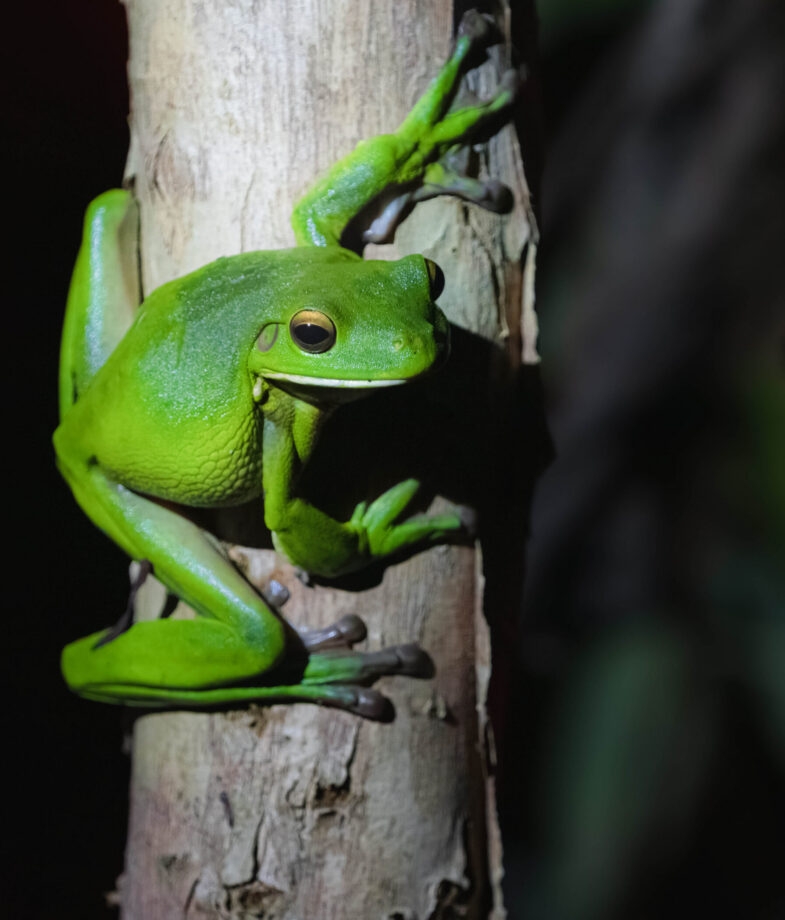
Visit the Daintree, located in North Queensland, during its green season from December to April for beautifully verdant scenery and an abundance of fascinating frogs.
Tasmania
Tasmania’s low season is the chilly winter from June to August – a good time to see wombats, possums and echidnas.
Kangaroo Island
December through February is the most popular time to visit Kangaroo Island, but the cooler months from June to August are the prime months to spot baby kangaroos and koalas. You can also see echidnas, wallabies and southern right whales.
Get inspired
Travelling during shoulder, low and green seasons can be really rewarding. Incredible wildlife, spectacular scenery and fewer crowds await.

Ready to start planning?
Whatever you want from your shoulder season safari, our travel designers are ready to help.