The Best Walking Safaris in Africa
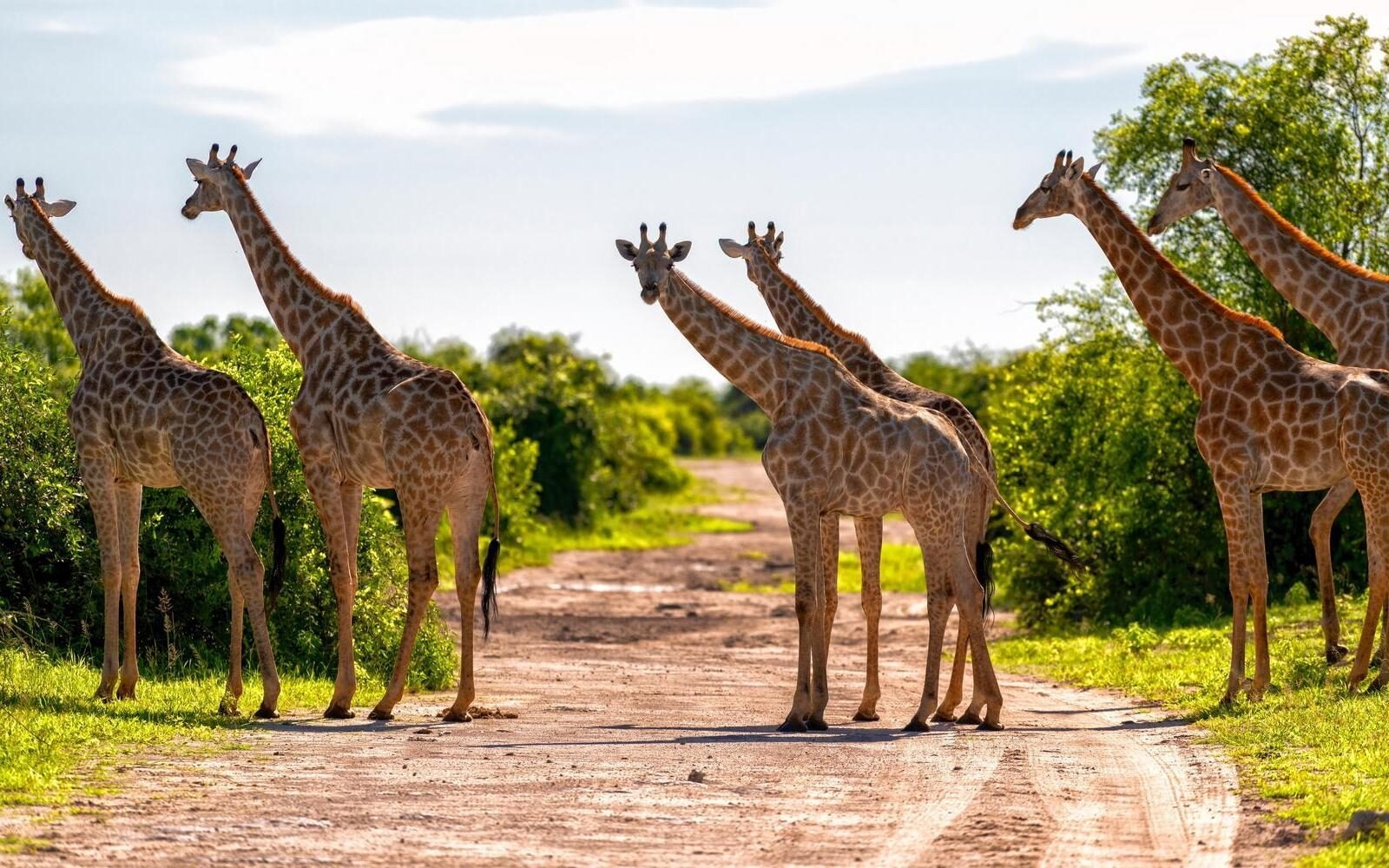
Step into the heart of the wilderness and connect on a more intimate level with this guide to Africa's best walking safaris.

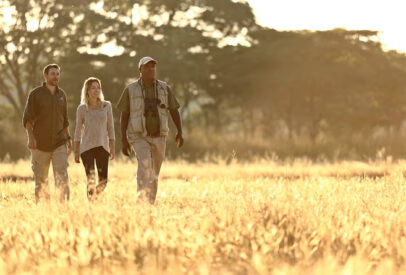
Among all the myriad ways to see the wonders of Africa, walking safaris offer something unique. When you set out into the wilderness on foot, you open yourself up to a more immersive journey and an intimate perspective of your surroundings. The best walking safaris in Africa invite you to experience this continent’s incredible wildlife and landscapes authentically.
There are many reasons to opt for a walking safari instead of (or in addition to) an excursion via jeep or boat. It’s a more personal way of exploring and an especially adventurous alternative for seasoned safari-goers. Many walking safaris also include insight into the culture and traditions of local communities, and how they’re linked to the natural world.
Walking safaris also make a much lower impact on the environment than other modes of transport, and encourage you to think critically about the footprints you leave – both literally and figuratively – on each destination you visit.
Discover the roots of walking safaris in Zambia
The concept of African walking safaris might seem natural now, but it wasn’t until the 1950s that this type of experience was introduced. The conservationist Norman Carr was working in the game reserve that would later become South Luangwa National Park. In 1950 he opened the country’s first safari camp and began promoting walking safaris as an alternative to hunting.
Norman Carr’s legacy lives on today in South Luangwa and throughout Zambia. The country is known for its highly experienced guides and their expert tracking skills, and there are some worthwhile environmental conservation and wildlife protection projects to learn about. Here you can see elephants, giraffes, hippos, rhinos, lions, leopards and countless other species.
Need to know: The best time to visit Zambia for safaris is from May to October, when the weather is cooler and drier. This creates perfect conditions for walking safaris and sleepouts under the stars. Temperatures average around 15–27ºC (59–81ºF) during the day, and it can get quite chilly at night.
Get off the beaten path in Zimbabwe
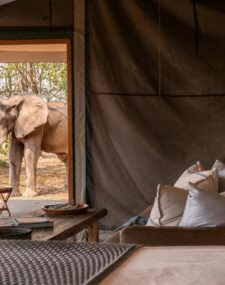
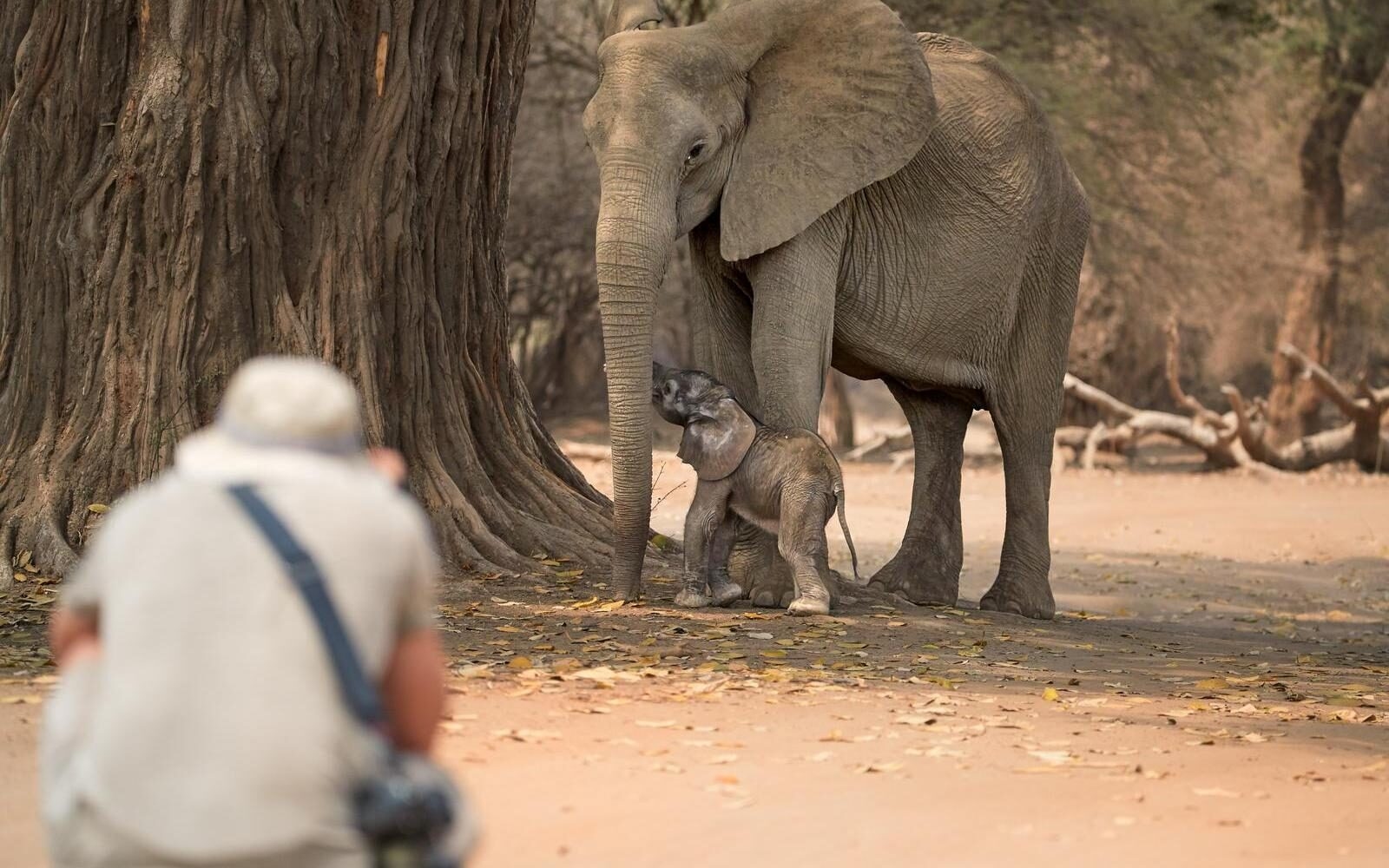
Zimbabwe is known for an irresistible combination of pristine landscapes, rare wildlife and uncrowded parks and reserves – all of which makes it an ideal destination for walking safaris. In Mana Pools National Park you can stay at Wilderness Ruckomechi Camp, where it’s not uncommon to spot elephants right beside your tent. Join the camp’s expert trackers for guided walks through the surrounding forests and floodplains.
Another top destination is Gonarezhou National Park, which is especially perfect for travellers who have already been on safari and are seeking out novel experiences. This remote area has diverse terrain that’s best explored on foot, as well as rare species like black rhinos and wild dogs. It also tends to be less crowded than the more well-known national parks in Zimbabwe.
Need to know: The peak safari season is June through October. If you want to combine walking safaris with a trip to Victoria Falls, April and May are among the best times to visit Zimbabwe, as conditions are good for both wildlife viewing and seeing the falls in full flow.
See the Big Five in South Africa
South Africa is a spectacular all-around destination, regardless of what style of safari you’re looking for. For walking safaris we recommend the private reserves near Kruger National Park, including Timbavati Nature Reserve and Sabi Sands. The latter is among the country’s best places to see all of the Big Five (lions, leopards, elephants, rhinos and buffalo) on foot.
We also love South Africa for family safaris. While many walking safaris have a minimum age (usually 12–16 years old), here you can find some experiences that are open to all ages. For example, Grootbos Private Reserve offers a guided flower walking safari that focuses on different biomes, ecosystems and plant life, as well as guided birdwatching walks.
Need to know: Although this is a year-round destination, the best time to visit South Africa for walking safaris is during the dry winter season (May through October). If you’re headed to the Kruger and surrounding reserves in these months, make sure to bring warm layers for chilly mornings and evenings.
Spot rare and endangered species in Kenya
In Kenya, walking safaris are often combined with cultural experiences that allow you to experience the landscape through the eyes of local experts. Some of our favourite activities here are guided walks led by members of the Maasai and Samburu communities. This adds an element of authentic cultural immersion to the average walking safari.
Kenya is also one of the best places in Africa to see certain rare animal species. In the Lewa Wildlife Conservancy and Laikipia Plateau you can spot the rare Grevy’s zebra and reticulated giraffe. Stay at Saruni Rhino in the Sera Conservancy to track rhinos on foot right from camp. Or head out on a walking safari from Sasaab to learn about the significance of various plants and insects as you look for antelopes, warthogs, birds and the signs of leopards and elephants.
Need to know: The dry season from June to October is the best time to visit Kenya if you want to go on a walking safari.
Walk through the remote wilderness of Tanzania
Tanzania is a legendary destination for African safaris thanks to renowned parks like the Serengeti and Ngorongoro Crater. But we also recommend venturing a bit farther afield to some of the country’s lesser-known spots. For instance, Ruaha is the largest national park in East Africa, with far fewer visitors than more popular destinations. Nyerere is also enormous and incredibly wild compared to some other national parks in Tanzania.
Both Ruaha and Nyerere are among the best choices for a walking safari in Tanzania thanks to their remoteness and low visitor numbers, along with abundant wildlife including elephants, lions, wild dogs and antelopes. You can even embark on a multi-day walking luxury safari in Tanzania with a combination of fly camping and stops at luxurious camps along the way.
Need to know: Walking safaris are available in Tanzania between June and October, when there’s less rain and slightly lower temperatures. These drier months also create better visibility for wildlife viewing thanks to thinner vegetation.
The finer details of walking safaris
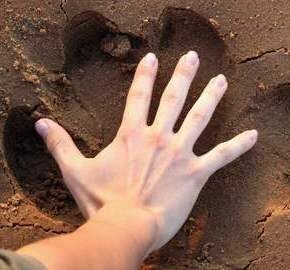
My primary advice for a walking safari in Africa is to shift your focus from seeking out big game to observing the smaller details of the ecosystem. This deeper appreciation for the environment is the most valuable experience you will take home.
Wander among the waterways of Botswana
Perhaps best known for its astonishing Okavango Delta, Botswana is also home to one-of-a-kind destinations like the Central Kalahari Game Reserve and the Makgadikgadi Pans. Exploring each of these places on foot allows you to get up close to some of Africa’s most incredible natural environments, from seasonal floodplains to sweeping salt flats.
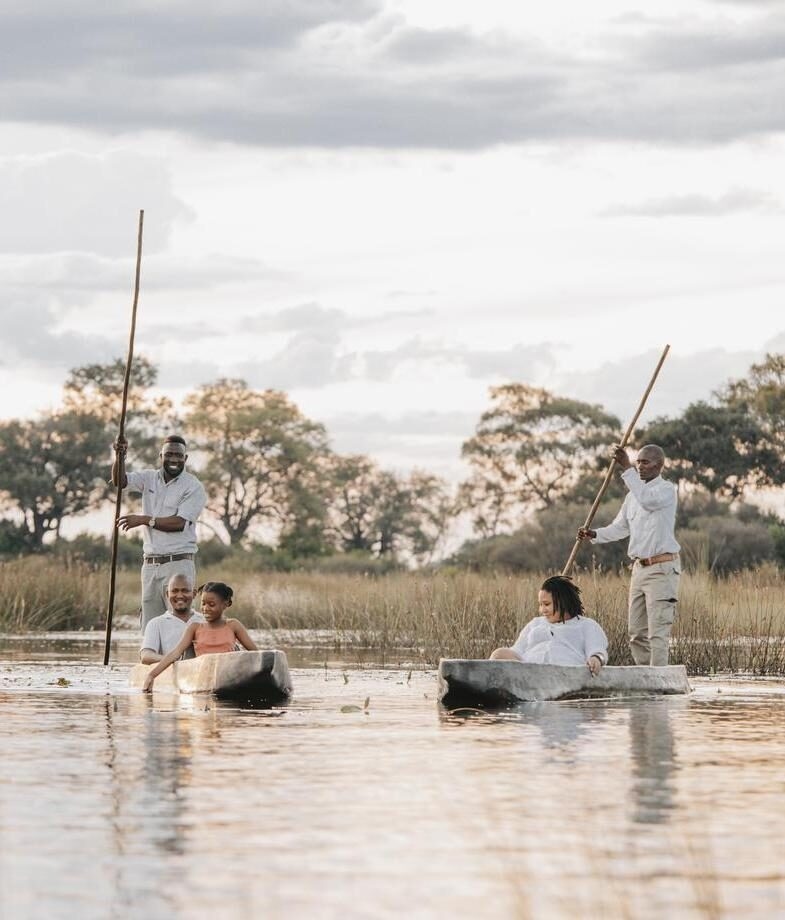
In the Makgadikgadi Pans, embark on the seven-day Walk of Ancient Wisdom with local San guides to learn about Indigenous cultural traditions and environmental knowledge. Or head to the Okavango Delta to combine walking safaris with mokoro (traditional dugout canoe) trips and get fully acquainted with the area’s intricate waterways and islands. You might see anything from the Big Five and other predators to adorable frogs and majestic waterbirds.
Need to know: The best time for a walking safari in Botswana is from May to October. This is the time of year when the Okavango Delta floods and the dry season across the country, bringing better visibility and higher densities of wildlife.
Ready to start planning?
Whatever you want from your next walking safari adventure, our travel designers are ready to help.
Zambia: a deep dive into the birthplace of walking safaris
There are many incredible destinations in Africa to enjoy walking safaris, but there’s something special about Zambia.
Our travel designers are experts in ensuring you can include all the best highlights in your trip. If you’re passionate about walking safaris, that could mean hiking to find gorillas in Rwanda, looking for the Samburu Special Five in Kenya, before heading south to walk in the footsteps of Norman Carr in Zambia.